How to Turn Merchandise Into a Revenue Stream
Learn how to start a profitable merchandise program for your podcast, creator brand, or music career without apparel experience or an internal team. Full-package partners handle everything from design to delivery.
How to Turn Merchandise Into a Revenue Stream
3 MINUTES
February 24, 2026
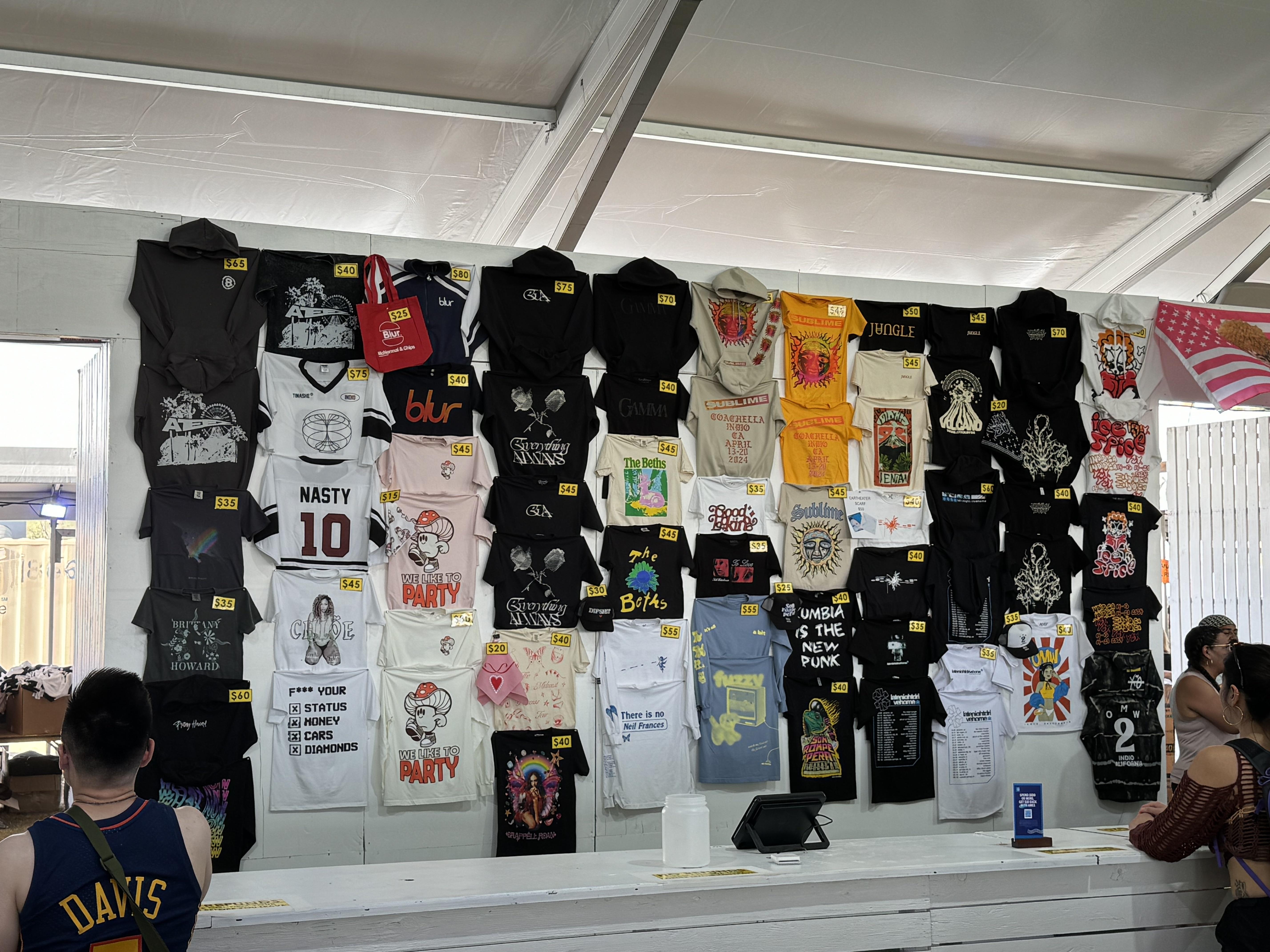
Your audience is asking for it. They're commenting on your posts, sending DMs, showing up to events wearing homemade versions of your logo. The demand is there. Your community wants to represent your brand, support your work, and feel like part of something bigger. Merchandise isn't just about selling products anymore. For podcasters, content creators, and touring musicians, it has become a legitimate revenue stream that diversifies income, deepens audience connection, and builds brand equity in ways that advertising and sponsorships simply cannot match.
The challenge, however, is that most creators and artists don't have apparel backgrounds. You're focused on creating content, building community, and growing your platform—not managing tech packs, sourcing factories, or navigating international logistics. The good news is that you don't need an internal apparel team to build a successful merchandise business. With the right full-package manufacturing partner, you can turn your brand into wearable products that your audience actually wants to buy and wear, without becoming an apparel expert in the process.
This guide walks you through exactly how to start a merchandise program from scratch, what "full-package" actually means, the revenue potential you can expect, and the step-by-step process from concept to launch. Whether you're a podcast network looking to monetize your audience, a touring musician building a merch business, or a content creator exploring new revenue streams, this is your roadmap.
The Merchandise Opportunity: Why Creators Are Building Merchandise Businesses
The creator economy has fundamentally changed how content creators, podcasters, and musicians generate revenue. While advertising, sponsorships, and platform monetization remain important, merchandise has emerged as one of the most powerful tools for revenue diversification and community building. Unlike ad revenue that fluctuates with algorithms or sponsorships that depend on brand partnerships, merchandise creates a direct economic relationship between you and your audience.
Merchandise serves three critical functions that make it uniquely valuable for creators. First, it generates revenue that you control. You set the pricing, manage the margins, and own the customer relationship. Second, it builds community by giving your audience a way to signal their affiliation with your brand. When someone wears your hoodie or hat, they're not just a passive consumer—they're an active participant in your community, a walking billboard for your brand, and a conversation starter that introduces new people to your work. Third, merchandise extends your brand beyond digital platforms. In a world where content is ephemeral and algorithms change constantly, physical products create tangible brand presence that lasts.
The numbers tell the story. Established podcast networks and content creators with engaged audiences typically generate between fifty thousand and five hundred thousand dollars annually from merchandise programs. Touring musicians often see merchandise account for twenty to forty percent of total tour revenue, sometimes exceeding ticket sales in profitability. These aren't vanity projects or side hustles—they're legitimate businesses that require strategic thinking, quality execution, and the right partners to succeed.
What makes merchandise particularly attractive for creators is the business model itself. Unlike content creation where you're constantly producing new material to maintain revenue, merchandise creates repeating revenue from existing designs. A well-designed hoodie can sell for years with minimal updates. Seasonal drops create anticipation and urgency. Limited editions drive scarcity and collectibility. The infrastructure you build—design systems, manufacturing relationships, fulfillment processes—becomes more efficient over time, improving margins as you scale.
The Challenge: No Apparel Expertise (And Why You Don't Need It)
Here's the reality: most content creators, podcasters, and musicians have zero apparel experience. You know how to create compelling content, build audiences, and engage communities—but you don't know the difference between cut-and-sew and screen printing, you've never written a tech pack, and you certainly don't have relationships with overseas factories. This knowledge gap creates a significant barrier that stops many creators from launching merchandise programs, even when the demand is clearly there.
The traditional approach to apparel manufacturing assumes you have internal expertise. You're expected to design products, create technical specifications, source materials, find factories, manage production, handle quality control, coordinate shipping, and manage inventory. For an established apparel brand with design teams and operations managers, this makes sense. For a podcaster or musician focused on creating content, it's completely unrealistic. You didn't build your audience to become an apparel operations expert—you built it by being exceptional at what you do.
This is precisely why the full-package manufacturing model exists. Full-package partners are designed specifically for brands and creators who lack internal apparel expertise but want to build professional merchandise programs. Instead of requiring you to manage every aspect of production, full-package partners handle the entire process from concept to delivery. You provide the brand direction, creative vision, and feedback. They provide the apparel expertise, production capabilities, and operational infrastructure. It's a true partnership model where each side contributes what they do best.
The misconception that you need apparel expertise to launch merchandise is one of the biggest barriers preventing creators from capturing this revenue opportunity. The truth is that the most successful creator merchandise programs are built on partnerships with experienced manufacturers who understand how to translate brand identity into wearable products. Your job isn't to become an apparel expert—it's to clearly communicate your brand, understand your audience, and make strategic decisions about product direction. Everything else can be handled by the right partner.
What you do need, however, is clarity on your brand identity, understanding of your audience preferences, and realistic expectations about timelines and investment. A full-package partner can't create a merchandise program out of thin air—they need your input on brand aesthetic, target price points, and product priorities. The partnership works best when you bring brand expertise and they bring apparel expertise, creating a collaborative process that results in products your audience actually wants to buy.
What "Full-Package" Actually Means: End-to-End Partnership
The term "full-package" gets thrown around frequently in apparel manufacturing, but many creators don't fully understand what it means or why it matters for their merchandise programs. At its core, full-package manufacturing means that a single partner handles every aspect of production from design through delivery. This is fundamentally different from other manufacturing models that require you to manage multiple vendors, source your own materials, or coordinate complex logistics.
In a full-package partnership, the manufacturer provides design support to help translate your brand into actual products. This doesn't mean they design everything for you—it means they have in-house creative teams who understand apparel construction, fit, and production realities. You provide brand guidelines, reference images, and creative direction. They develop designs that are both on-brand and producible, ensuring that what you envision can actually be manufactured at quality and scale.
Technical development is where full-package partners truly differentiate themselves. Once designs are approved, they create detailed technical specifications—commonly called tech packs—that document every aspect of the garment: measurements, construction methods, materials, trims, labels, and finishing details. These technical documents serve as the blueprint for production, ensuring that what gets manufactured matches what was approved. For creators without apparel backgrounds, this technical translation is invaluable. You don't need to know how to specify a ribbed collar or document seam allowances—your partner handles those details.
Material sourcing is another critical component that full-package partners manage. They have established relationships with fabric mills, trim suppliers, and component vendors, allowing them to source quality materials efficiently. They understand which fabrics work for which applications, how different materials behave in production, and how to balance quality with cost. This sourcing expertise ensures that your merchandise uses appropriate materials that meet quality standards and hit target price points.
Production management is where the operational complexity really lives. Full-package partners coordinate with factories, manage production schedules, conduct quality inspections, and handle all the logistics of getting products manufactured. They're responsible for ensuring that production meets specifications, timelines are maintained, and quality standards are upheld. This is particularly valuable for creators who don't have the bandwidth to manage overseas factories, navigate time zones, or troubleshoot production issues.
Quality control is built into the full-package process at multiple checkpoints. Pre-production samples are created and approved before bulk production begins, ensuring that the final product matches expectations. Inline inspections happen during production to catch issues early. Final audits are conducted before shipping to verify that finished products meet specifications. This multi-stage quality process protects you from the costly mistake of receiving thousands of units that don't meet standards.
Logistics and delivery complete the full-package offering. Your partner manages international shipping, customs clearance, and delivery to your warehouse or fulfillment center. They handle the complexity of moving products from factory to your door, navigating regulations, duties, and shipping logistics. For creators managing merchandise alongside content creation, this operational burden-lifting is essential.
The value of full-package partnership isn't just convenience—it's risk mitigation. When one partner is responsible for the entire process, accountability is clear. If something goes wrong, there's no finger-pointing between designers, factories, and logistics providers. Your full-package partner owns the outcome and is motivated to ensure success because their reputation depends on delivering quality products on time.
Revenue Potential: Real Numbers from Established Programs
Understanding the revenue potential of merchandise programs helps creators make informed decisions about whether to invest time and resources into building this revenue stream. The numbers vary significantly based on audience size, engagement levels, product pricing, and program maturity, but established creators with engaged audiences typically see substantial returns from well-executed merchandise programs.
Podcast networks with audiences in the hundreds of thousands often generate between one hundred thousand and three hundred thousand dollars annually from merchandise. These programs typically feature a core collection of eight to twelve products—hoodies, t-shirts, hats, and accessories—with seasonal drops that create urgency and drive repeat purchases. The key to success at this level is consistent quality, on-brand design, and strategic product launches that align with content milestones or seasonal buying patterns.
Touring musicians represent one of the highest-revenue segments for merchandise programs. Established artists with active touring schedules frequently generate between two hundred fifty thousand and two million dollars annually from tour merchandise. The combination of captive audiences at shows, emotional connection to the artist, and the desire for memorabilia creates a powerful purchasing environment. Musicians who treat merchandise as a serious revenue stream—investing in quality products, thoughtful design, and professional execution—often see merchandise revenue exceed ticket sales in profitability.
Content creators with highly engaged communities, particularly in gaming, lifestyle, and entertainment verticals, typically generate between fifty thousand and five hundred thousand dollars annually from merchandise. The wide range reflects differences in audience size, engagement levels, and program sophistication. Creators who launch merchandise as an afterthought with generic designs and low-quality products struggle to break fifty thousand dollars annually. Those who approach merchandise strategically—understanding their audience, investing in quality, and creating products people actually want to wear—regularly exceed two hundred thousand dollars in annual revenue.
The economics of merchandise programs improve significantly as you scale. Initial launches require upfront investment in design, sampling, and inventory, with margins typically in the thirty to forty percent range after accounting for all costs. As programs mature and you develop repeatable systems, margins improve to forty to fifty percent or higher. Reorders of proven products are more profitable than new product development because design and sampling costs are eliminated. Seasonal drops leverage existing infrastructure, making each subsequent launch more efficient than the last.
What makes merchandise particularly attractive as a revenue stream is the business model's resilience. Unlike advertising revenue that fluctuates with platform algorithms or sponsorship deals that depend on brand budgets, merchandise revenue is directly tied to your audience engagement. As your audience grows and deepens their connection to your brand, merchandise revenue scales proportionally. The infrastructure you build—manufacturing relationships, fulfillment systems, design processes—becomes more efficient over time, creating a compounding effect where each dollar invested generates increasing returns.
The timeline to profitability varies based on program scale and execution. Smaller programs with modest initial inventory investments (ten to twenty thousand dollars) can break even within six to twelve months if products resonate with audiences. Larger programs with broader product ranges and higher inventory investments typically achieve profitability within twelve to eighteen months. The key is treating merchandise as a legitimate business with proper planning, quality execution, and realistic expectations about timelines and returns.
How to Get Started: The Process from Concept to Launch
Launching a merchandise program requires a structured process that moves from initial concept through design, sampling, production, and delivery. Understanding this process helps creators set realistic expectations about timelines, investment requirements, and decision points along the way. The typical timeline from initial consultation to receiving finished products is eight to twelve weeks, though this can be compressed or extended based on complexity and urgency.
The process begins with a discovery consultation where you work with your manufacturing partner to define program goals, target audience, product priorities, and budget parameters. This conversation is critical because it establishes the foundation for everything that follows. You'll discuss brand aesthetic, audience preferences, price point targets, and initial product selection. Your partner will provide guidance on what's realistic given your timeline and budget, helping you avoid common pitfalls like overextending product range or setting unrealistic timelines.
Design development typically takes two to four weeks and involves translating your brand identity into actual product designs. You'll provide brand guidelines, reference images, and creative direction. Your manufacturing partner's design team will develop initial concepts that balance your creative vision with production realities. This collaborative process usually involves two to three rounds of revisions as designs are refined to match your expectations. The output is approved design files that serve as the blueprint for technical development.
Technical development and sampling happen in parallel and typically require four to six weeks. Your partner creates detailed technical specifications for each product, documenting measurements, construction methods, materials, and finishing details. Simultaneously, initial samples are produced to validate design, fit, and construction. These samples are critical—they're your opportunity to see and feel the actual products before committing to bulk production. Most programs require one to two rounds of sample revisions as fit is adjusted, materials are refined, and details are perfected.
Pre-production approval is a formal checkpoint where you review and approve final samples before bulk production begins. This is your last opportunity to make changes before thousands of units are manufactured. Take this approval seriously—review fit on actual people in your target demographic, examine construction quality, verify that colors match expectations, and confirm that all details are correct. Once you approve pre-production samples, the specifications are locked and bulk production begins.
Bulk production typically requires six to eight weeks depending on order size and product complexity. During this time, your manufacturing partner manages factory coordination, conducts inline quality inspections, and provides regular updates on production progress. Professional partners provide photo documentation at key milestones, keeping you informed without requiring constant check-ins. This is where the value of a full-package partner becomes most apparent—they're managing all the operational complexity while you focus on content creation and audience building.
Quality control happens at multiple stages during production but culminates in a final audit before products ship. Your partner inspects finished products against approved specifications, checking construction, measurements, finishing, and packaging. This final quality gate ensures that what ships matches what was approved, protecting you from the costly mistake of receiving substandard products.
Shipping and delivery typically require four to six weeks for international production, including ocean freight, customs clearance, and domestic delivery. Your partner manages all logistics, handling documentation, duties, and coordination with your warehouse or fulfillment center. Once products arrive, you're ready to launch your merchandise program to your audience.
The total timeline from initial consultation to launch-ready inventory is typically eight to twelve weeks for straightforward programs. More complex programs with extensive product ranges, custom finishes, or technical challenges may require twelve to sixteen weeks. Rush programs can sometimes be compressed to six to eight weeks, though this requires trade-offs in product complexity and may incur additional costs.
Understanding this timeline is critical for planning merchandise launches around content milestones, seasonal buying patterns, or tour dates. Starting the process three to four months before your target launch date provides comfortable buffer time for revisions, unexpected delays, and quality assurance. Trying to compress timelines too aggressively often results in compromised quality or missed deadlines—neither of which serves your audience or your brand.
Case Example: How Barstool Sports Built a Merchandise Business
Barstool Sports provides a compelling case study in how content creators can build substantial merchandise businesses without internal apparel expertise. The sports and entertainment media company started as a print publication and evolved into a digital media powerhouse with podcasts, video content, and a fiercely loyal audience. Their merchandise program has become a significant revenue driver, generating millions annually while strengthening community connection and brand visibility.
What makes Barstool's approach instructive is that they didn't start with apparel expertise. They started with deep understanding of their audience, clear brand identity, and willingness to partner with experienced manufacturers who could translate their brand into products their community wanted to wear. Rather than trying to build internal apparel capabilities, they focused on what they do best—creating engaging content and building community—while partnering with full-package manufacturers to handle production complexity.
Their product strategy demonstrates sophisticated understanding of audience preferences and buying behavior. The core collection features classic items that appeal broadly—hoodies, t-shirts, hats—in designs that signal affiliation with the Barstool brand. These core products generate consistent revenue and serve as the foundation of the program. Layered on top are limited-edition drops tied to content moments, inside jokes, and cultural references that resonate deeply with their audience. These limited releases create urgency, drive social media engagement, and generate spikes in revenue around key moments.
Quality has been central to Barstool's merchandise success. Early in their program development, they recognized that cheap promotional products wouldn't build the kind of merchandise business they envisioned. Their audience needed to actually want to wear the products, not just buy them as novelties. This quality focus meant investing in better materials, more sophisticated designs, and manufacturing partners who could deliver consistency at scale. The result is merchandise that fans wear regularly, creating organic brand visibility and word-of-mouth marketing.
The operational infrastructure Barstool built demonstrates the importance of treating merchandise as a legitimate business, not a side project. They invested in e-commerce platforms that provide seamless purchasing experiences, fulfillment partnerships that ensure fast delivery, and inventory management systems that prevent stockouts of popular items. This operational sophistication allows them to scale the business without constant firefighting or customer service issues.
Perhaps most importantly, Barstool integrated merchandise into their content strategy rather than treating it as a separate initiative. Product launches are content events. New designs are revealed through podcasts and social media. Limited drops create anticipation and urgency. This integration ensures that merchandise remains top-of-mind for their audience and creates natural opportunities for promotion without feeling overly commercial.
The financial results speak to the effectiveness of their approach. While Barstool doesn't publicly disclose merchandise revenue, industry estimates suggest their program generates multiple millions annually. More importantly, merchandise has become a meaningful component of their overall business model, diversifying revenue beyond advertising and creating direct economic relationships with their most engaged community members.
For creators considering merchandise programs, Barstool's approach offers several key lessons. First, you don't need internal apparel expertise—you need the right manufacturing partners. Second, quality matters more than quantity—focus on products people actually want to wear. Third, integrate merchandise into your content strategy rather than treating it as separate. Fourth, invest in operational infrastructure that allows you to scale without breaking. And fifth, treat merchandise as a legitimate business that deserves strategic thinking and proper execution.
Making the Decision: Is Merchandise Right for Your Brand?
Not every creator, podcast, or musician should launch a merchandise program. While the revenue potential is significant and the operational barriers have been lowered through full-package partnerships, merchandise requires upfront investment, ongoing management, and audience engagement to succeed. Understanding whether merchandise makes sense for your brand requires honest assessment of several key factors.
Audience size and engagement are the primary determinants of merchandise program viability. While there's no hard minimum audience size, programs typically need at least ten to twenty thousand highly engaged followers to generate meaningful revenue. Engagement matters more than raw audience size—a creator with twenty thousand deeply engaged fans will likely sell more merchandise than one with two hundred thousand passive followers. Look at your engagement metrics: comment rates, direct messages, event attendance, and community participation. If your audience actively engages with your content and identifies with your brand, merchandise has strong potential.
Brand clarity is equally important. Merchandise works best when your brand has a clear identity that resonates with your audience. This doesn't mean you need a fully developed visual identity system—it means your audience understands what you stand for and wants to signal their affiliation. Podcasts with strong points of view, musicians with distinctive aesthetics, and creators with clear brand personalities tend to see stronger merchandise performance than those with generic or unclear positioning.
Financial capacity for upfront investment is a practical consideration that can't be ignored. Initial merchandise launches typically require ten to thirty thousand dollars in upfront investment for design, sampling, and initial inventory. This investment is recovered through sales, but you need the capital available to fund the program before revenue materializes. If this level of investment would create financial stress, it may be worth waiting until your financial position is stronger or starting with a smaller test program.
Operational bandwidth to manage a merchandise program is often underestimated. While full-package partners handle production complexity, you still need to make strategic decisions, provide creative direction, manage e-commerce platforms, coordinate fulfillment, and handle customer service. This operational load is manageable but real. If you're already stretched thin managing content creation and audience building, adding merchandise management may create more stress than value.
Long-term commitment to quality and consistency is essential for merchandise program success. Launching merchandise and then letting quality slide or failing to restock popular items damages your brand and disappoints your audience. Merchandise programs work best when treated as ongoing businesses that receive consistent attention and investment, not one-time projects that get launched and forgotten.
If you have an engaged audience, clear brand identity, financial capacity for upfront investment, operational bandwidth to manage the program, and commitment to quality and consistency, merchandise represents a significant opportunity to diversify revenue, deepen community connection, and build brand equity. The key is approaching it strategically, partnering with experienced manufacturers, and treating it as a legitimate business that deserves proper planning and execution.
Next Steps: Turning Opportunity Into Action
If you've determined that merchandise makes sense for your brand, the next step is finding the right manufacturing partner and beginning the discovery process. The quality of your manufacturing partnership will largely determine the success of your merchandise program, so this decision deserves careful consideration and due diligence.
Start by researching full-package manufacturers who specialize in working with creators, podcasters, and musicians. Look for partners with portfolios that demonstrate quality work, experience with brands similar to yours, and clear processes for managing projects from concept to delivery. Pay attention to how they communicate—responsive, transparent communication during the evaluation process is a strong indicator of how they'll communicate during production.
Schedule consultations with two to three potential partners to discuss your program goals, timeline, and budget. Use these conversations to assess not just their capabilities but their partnership approach. Do they ask thoughtful questions about your brand and audience? Do they provide realistic guidance about timelines and investment? Do they demonstrate genuine interest in your success? The best manufacturing partnerships are collaborative relationships built on mutual respect and shared goals, not transactional vendor relationships.
Request references from current clients, particularly those with similar audience sizes and program maturity. Speaking with other creators who have worked with the manufacturer provides invaluable insight into their actual performance, communication quality, and problem-solving approach. Ask specific questions about timeline adherence, quality consistency, and how they handle challenges when they arise.
Review their quality control processes and documentation standards. Professional manufacturers should be able to clearly explain their quality checkpoints, inspection protocols, and how they ensure consistency across production runs. Ask to see examples of their documentation—tech packs, inspection reports, and production updates. This documentation discipline is a strong indicator of operational sophistication.
Once you've selected a manufacturing partner, begin the discovery process by gathering brand assets, defining program goals, and establishing budget parameters. The more clarity you can provide upfront about your brand identity, audience preferences, and program priorities, the more efficiently the process will move. Your manufacturing partner will guide you through product selection, design development, and timeline planning, but your input on brand direction is essential.
Merchandise represents one of the most powerful tools available to creators, podcasters, and musicians for diversifying revenue, building community, and extending brand presence beyond digital platforms. With the right full-package manufacturing partner, you can build a professional merchandise program without becoming an apparel expert, allowing you to focus on what you do best while capturing this significant revenue opportunity.
Ready to Explore Merchandise for Your Brand?
Download our Trend Report to get detailed market insights, revenue benchmarks, and strategic frameworks for building successful merchandise programs. This comprehensive guide provides the data and analysis you need to make informed decisions about launching or scaling your merchandise business.
Explore the HH Catalog to see examples of quality merchandise programs we've developed for creators, podcasters, and musicians. Our portfolio demonstrates the range of products, design approaches, and quality standards that make merchandise programs successful.
Book a consultation to discuss your specific merchandise goals, timeline, and budget. We'll provide honest guidance on what's realistic for your brand and how to approach building a merchandise program that serves your audience and generates meaningful revenue.