The College Athlete Merch Program: A Step-by-Step Guide for Managers and Agents
Merchandise is not a side hustle. It is the most powerful and tangible asset in an athlete’s brand portfolio. For the agent, it represents a scalable, long-term revenue stream that is not dependent on the whims of marketing departments.
The College Athlete Merch Program: A Step-by-Step Guide for Managers and Agents
3 MINUTES
March 4, 2026
As an agent or manager for a college athlete, your world is a whirlwind of NIL deals, compliance paperwork, and career strategy. You are focused on securing the best opportunities for your client, maximizing their earning potential during a finite window. In this complex landscape, merchandise is often treated as an afterthought.. a simple logo slapped on a generic t-shirt, sold through a third-party marketplace that takes a hefty cut. This is not just a missed opportunity; it is a fundamental misunderstanding of the modern athlete’s brand.
Merchandise is not a side hustle. It is the most powerful and tangible asset in an athlete’s brand portfolio. While a sponsorship deal is temporary rent on an audience, a successful merchandise line is a wholly-owned business, a direct-to-consumer relationship that builds equity and outlasts any single season or brand partnership. For the agent, it represents a scalable, long-term revenue stream that is not dependent on the whims of marketing departments.
This guide provides a new framework for thinking about college athlete merch. It is a step-by-step playbook for building a mature, profitable, and brand-accretive apparel business for your athlete. We will explore why a media presence is the non-negotiable foundation, analyze how a brand like Bussin’ With The Boys built an independent empire, and detail the specific product strategies that separate amateur merch from a professional apparel line. Most importantly, we will show you how to execute this entire vision by leveraging a full-package partner, allowing you and your athlete to focus on what you do best: building a legacy.
Part 1: The Foundation - Build the Media Engine First
The biggest mistake in the college athlete merchandise space is starting with the product. A t-shirt is just a t-shirt until it represents something more: a personality, a point of view, a community. Before you can sell a product, you must build an audience that wants to buy into the athlete’s world. This means building a media engine.
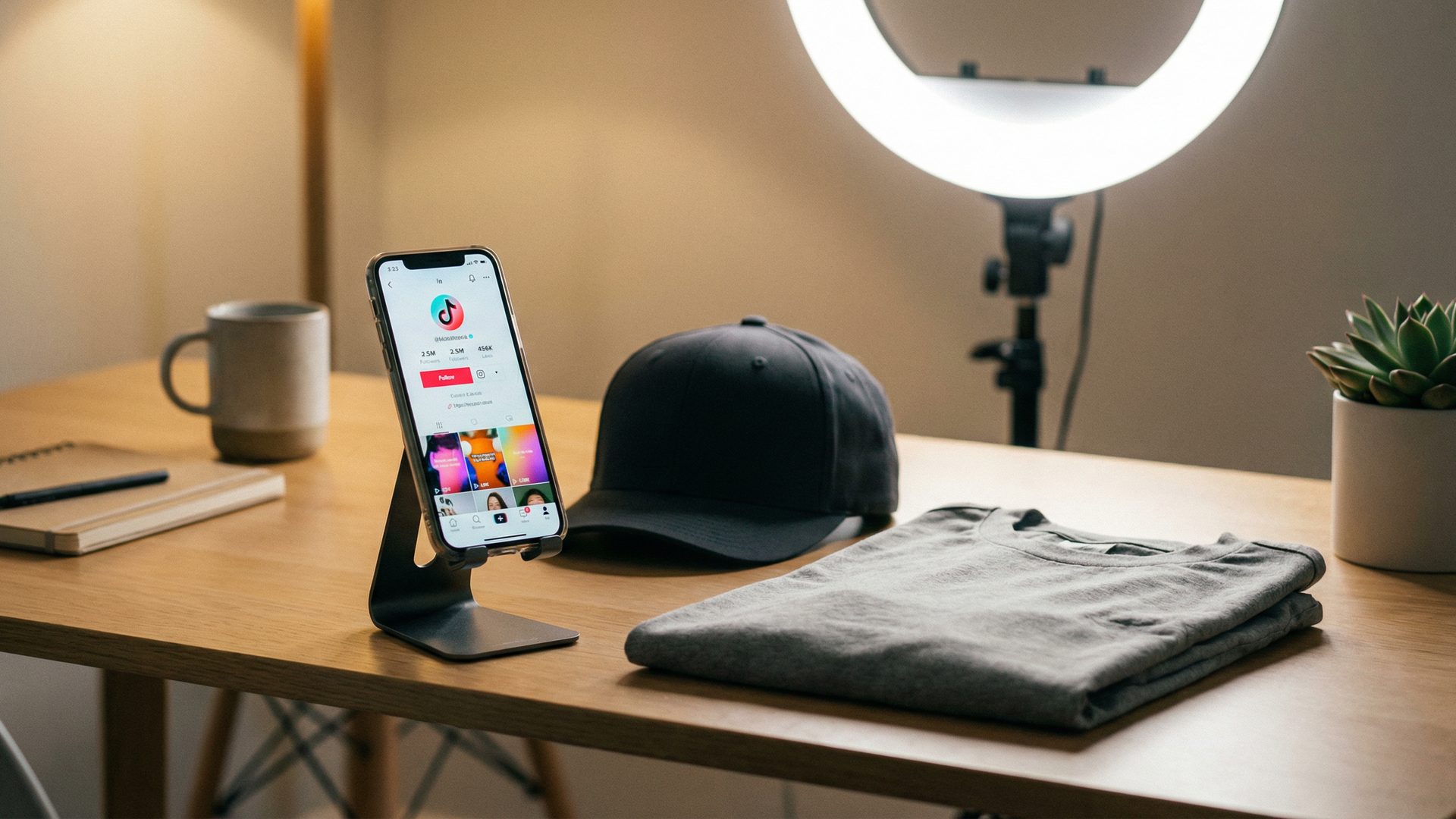
A media engine is a content platform that your athlete owns. It could be a podcast, a YouTube series, a consistent Twitch stream, or even a highly-curated Instagram and TikTok presence. The format matters less than the consistency and authenticity. This is where the athlete shares their personality beyond the field or court, connects with fans on a human level, and builds a community that feels a real sense of belonging.
Why is this essential for merch? Because a media engine turns passive fans into active customers. Someone might cheer for your athlete on Saturday, but they will buy their hoodie on Tuesday because they feel connected to their story, their humor, and their journey. The media is the engine; the merchandise is the exhaust—a natural and welcome byproduct of the content that people love.
Part 2: The Case Study - The Bussin’ With The Boys Blueprint
To see this model in its most mature form, look no further than “Bussin’ With The Boys,” the media company founded by NFL players Will Compton and Taylor Lewan. They began as a podcast under the Barstool Sports umbrella, using the platform to build a massive, loyal following. They were not just athletes; they were media personalities who happened to be athletes. Their brand was built on humor, authenticity, and an “for the boys” ethos that resonated deeply with their audience.
When they eventually went independent, they did not just take their podcast with them; they took their entire brand ecosystem. They had a direct relationship with their audience, a proven content model, and a clear brand voice. This foundation allowed them to build a merchandise operation that is far more than just podcast swag. It is a full-fledged apparel brand that reflects their identity.
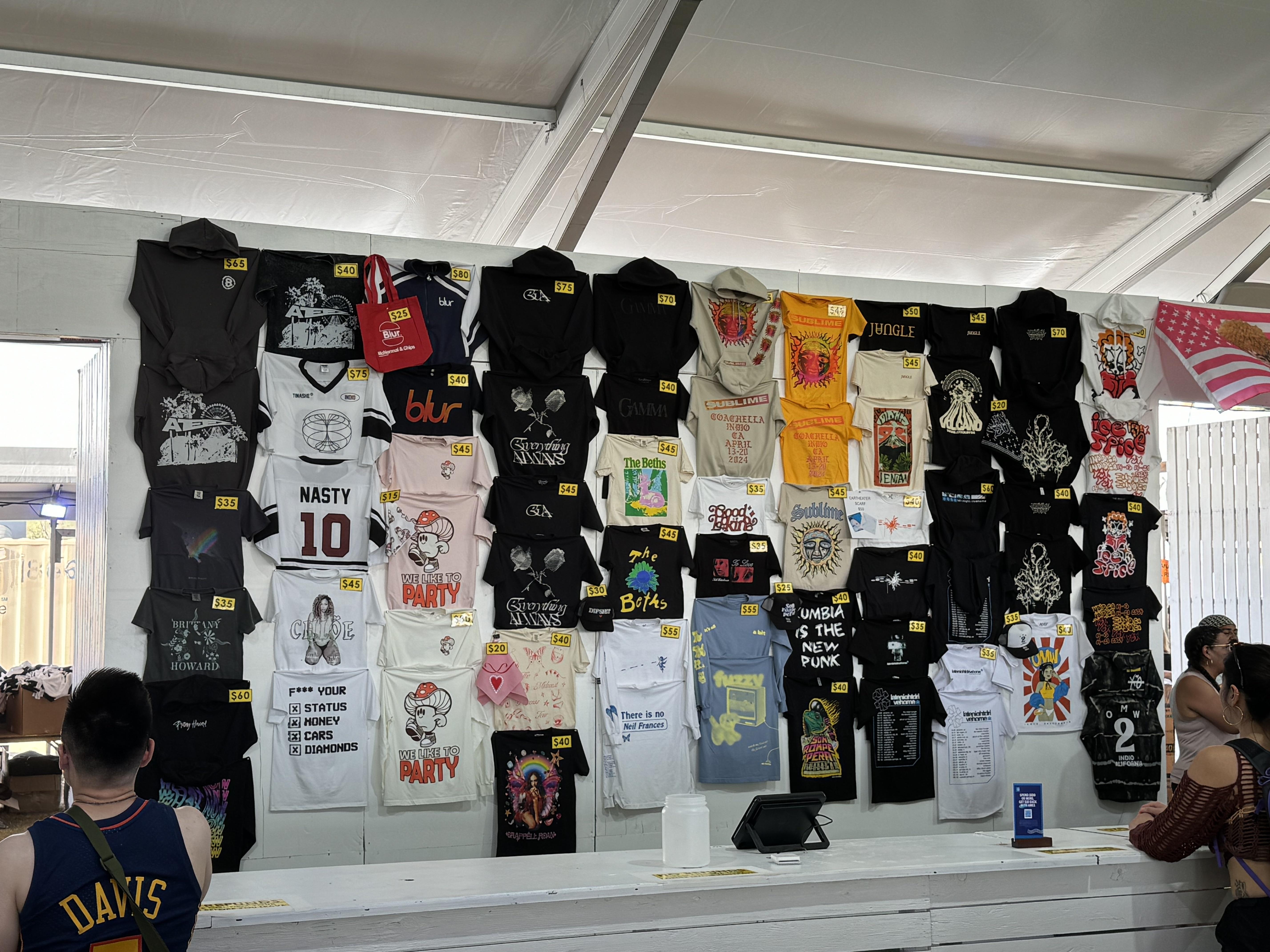
Their store is not a generic marketplace. It is a curated e-commerce experience featuring everything from premium hoodies and shorts to hats and accessories. They run seasonal collections, Black Friday sales, and limited drops, all marketed directly through their own content channels. They have successfully transitioned from being athletes who have a podcast to being a media and apparel brand run by athletes. This is the blueprint. They built the media engine first, and now they are reaping the rewards of a diversified and owned revenue stream.
Part 3: The Product Strategy - Beyond the Logo Tee
A mature merchandise program requires a sophisticated product strategy. Your athlete is a premium brand, and their products should reflect that. This means moving beyond the basic logo tee and thinking like a real apparel company. With a full-package partner handling the operational lift, you and your client can focus on the creative and strategic side of product.
Here are three tiers of product strategy to consider:
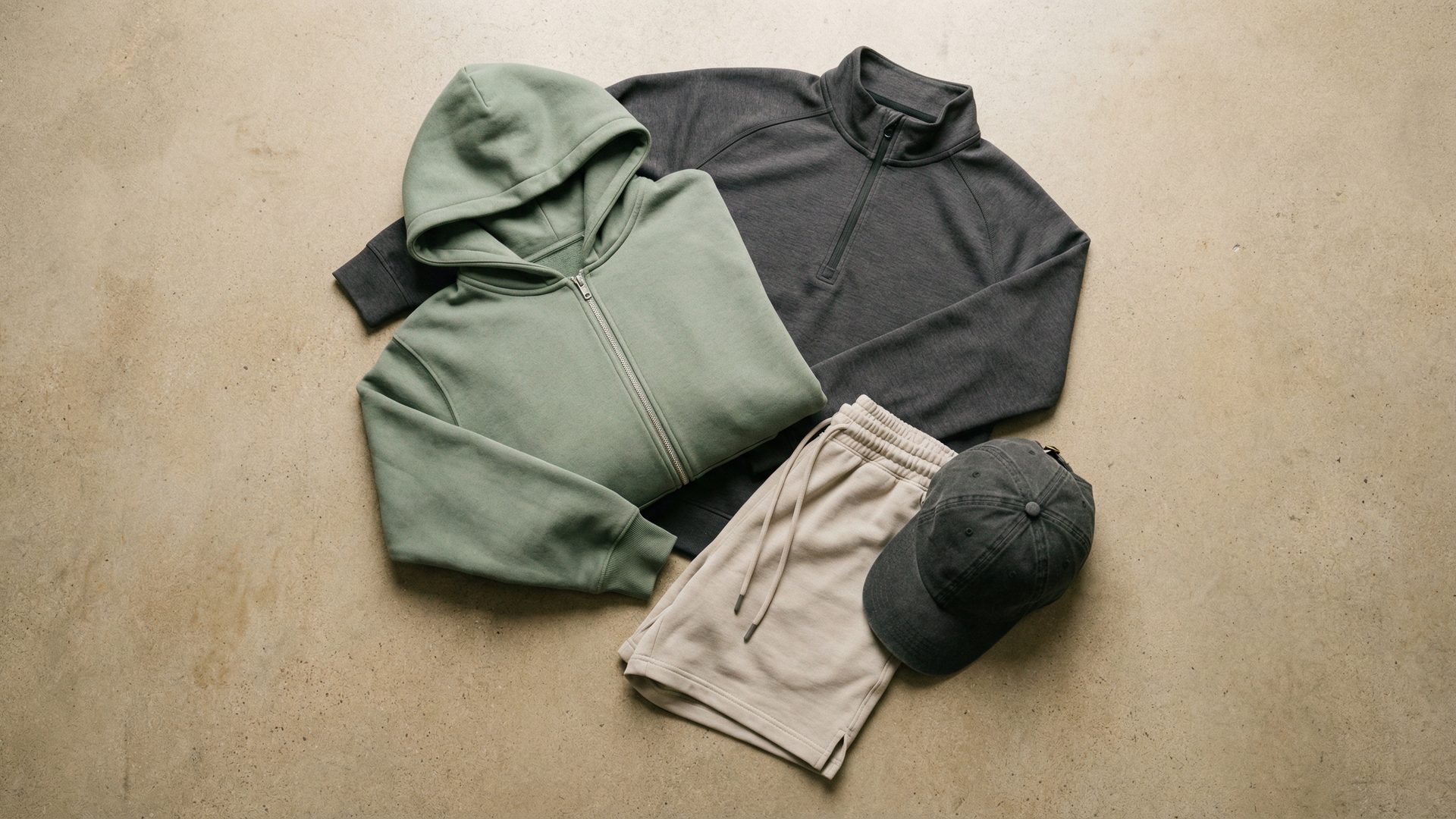
1.The Core Collection: This is the evergreen foundation of your brand. It should consist of 3-5 essential, high-quality items that are always available. Think a premium heavyweight hoodie, a perfectly cut t-shirt, a classic baseball cap, and comfortable shorts or joggers. The branding should be subtle and tasteful—something that can be worn in any casual setting.
2.Limited-Edition Drops: This is where you create hype and urgency. These are small-batch, limited-run collections tied to a specific moment in time: a big win, a viral quote, a playoff run, or a holiday. These drops are marketed heavily for a short period and are designed to sell out, creating a “you had to be there” sense of exclusivity for the most loyal fans.
3.The Signature Series: This is the highest expression of the athlete’s brand. It involves creating custom cut-and-sew garments designed from scratch. This could be a signature performance quarter-zip with custom features, a line of premium leisurewear, or a collaboration with a local artist or designer. This is where you tell a deeper story and create true, lasting brand equity.
Part 4: The Operational Playbook - Executing with a Partner
The vision laid out above is impossible to execute if you, the agent, are also trying to be a production manager. This is where a full-package partner becomes the critical piece of the puzzle. A true partner is not just a printer; they are your outsourced apparel division. They provide the operational horsepower that allows you to build a professional program without the overhead.
Here is what that partnership looks like in practice:
•Design & Creative: You and your athlete provide the vision, the stories, and the brand direction. The partner’s team of professional designers translates those ideas into manufacturable products, providing mockups and creative options.
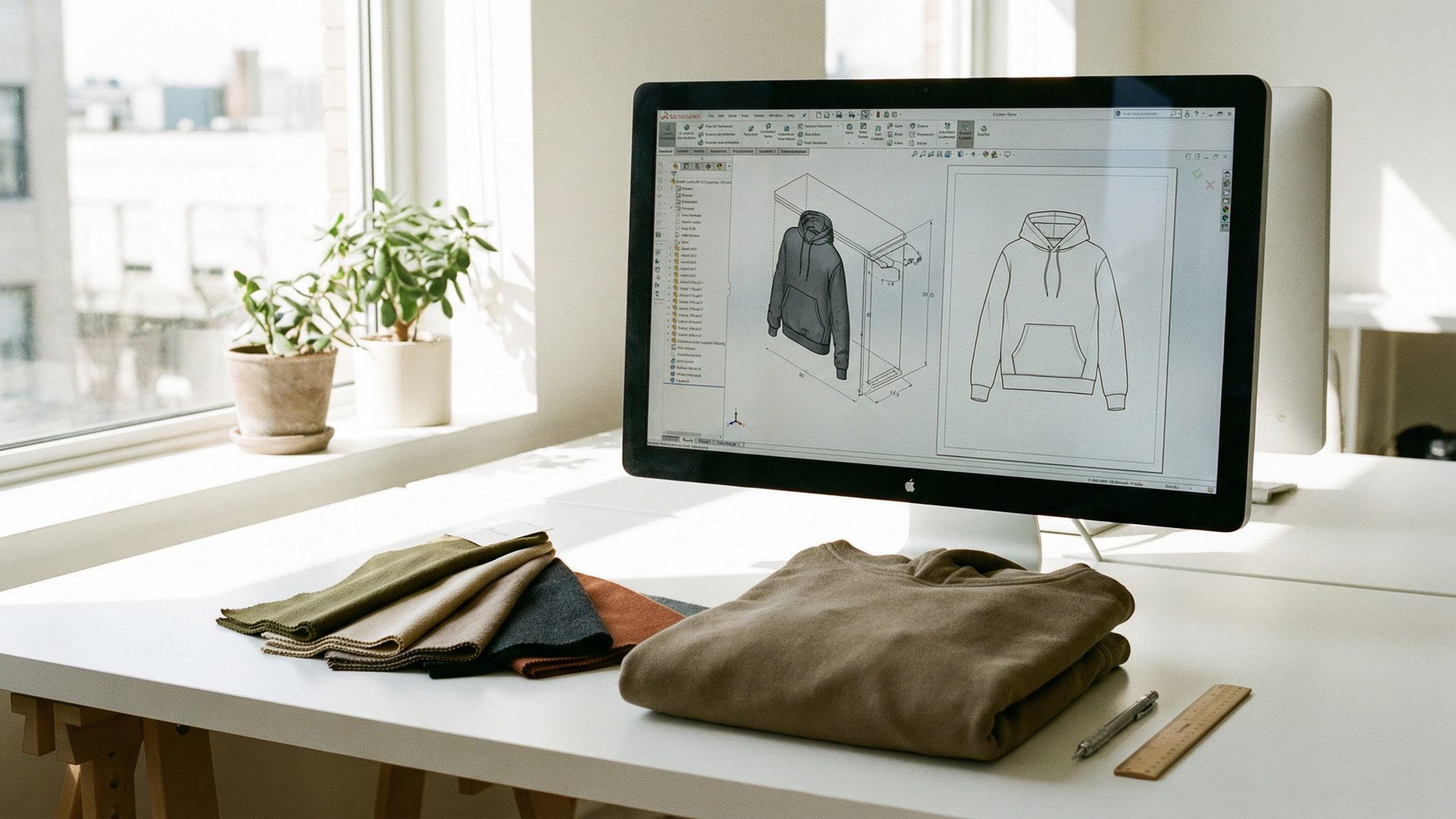
•Product Development & Sourcing: The partner handles the entire technical side, from creating tech packs to sourcing the perfect fabrics. They manage the sampling process, ensuring every garment meets a professional quality standard before it goes into production.
•Manufacturing & Logistics: The partner leverages their network of factories to produce the goods. They manage the entire supply chain, from quality control on the factory floor to freight and warehousing.
•E-commerce Integration: A sophisticated partner can integrate directly with your athlete’s Shopify store, managing inventory, fulfilling orders, and even handling customer service. This creates a seamless, professional experience for the end customer.
This model allows you to run a world-class apparel brand with a lean internal team. Your focus remains on the athlete’s career and brand strategy. The partner’s focus is on delivering a flawless product and customer experience.
Conclusion: Build an Asset, Not a Side Hustle
The opportunity in the NIL era is not just about securing the next brand deal. It is about building a durable, long-term asset that the athlete owns. A successful merchandise line is that asset. It is a direct channel to their most loyal fans, a recurring revenue stream that is not dependent on on-field performance, and a tangible expression of their personal brand.
Is their agent or manager, your role is to be the architect of this brand. By building a media engine, developing a smart product strategy, and leveraging a full-package partner to handle the execution, you can build a merchandise program that is a significant and sustainable part of your athlete’s financial portfolio. Stop thinking about merch as a side hustle. Start building it like the professional, scalable business it is.
FAQ: The College Athlete Merch Program
What is a realistic revenue expectation for a college athlete merch line?
It varies dramatically based on audience size and engagement. For an athlete with a strong media presence and a following of 100,000 to 500,000, a well-marketed initial drop can generate $10,000 to $30,000. For top-tier athletes with massive, engaged followings, six-figure drops are achievable. The key is to see it as a long-term business that grows with the athlete’s brand.
What is the time commitment required from the athlete?
With a full-package partner, the athlete’s time is focused on high-leverage activities. They should be involved in the initial creative vision and product curation, and most importantly, they need to be the face of the marketing, promoting the drops on their own channels. The day-to-day operational work—design revisions, production management, fulfillment—is handled entirely by the partner.
How do we get started if our athlete has a small following?
Start with the media engine. Focus on consistently creating authentic content for 3-6 months to build a core, engaged audience. The initial goal is not massive scale, but deep connection. A small, hyper-engaged audience of 10,000 fans can easily support a profitable, limited-edition first drop. The key is to earn their loyalty with content before you ask for a sale.
What are the legal and compliance considerations we need to be aware of?
This is critical. You must ensure all merchandise activities are fully compliant with NCAA rules, state laws, and university-specific policies. A good full-package partner should have experience in the NIL space and can help navigate these complexities, but the ultimate responsibility falls on the athlete and their representation. It is essential to work with legal counsel who specializes in NIL to review all agreements and ensure compliance.