How to Build a Merchandise Program When Apparel Isn't Your Core Business
Apparel isn't your core business. You don't have internal designers, production managers, or supply chain expertise. Your team knows how to build your primary business, not how to source fabrics, manage manufacturers, or navigate quality standards.
How to Build a Merchandise Program When Apparel Isn't Your Core Business
3 MINUTES
February 24, 2026
If you run an energy drink company, produce music, host podcasts, operate a gaming organization, or lead marketing for a tech or CPG brand, you've likely considered merchandise. Your audience asks for it. You see competitors doing it. The business case seems clear.
But here's the challenge. Apparel isn't your core business. You don't have internal designers, production managers, or supply chain expertise. Your team knows how to build your primary business, not how to source fabrics, manage manufacturers, or navigate quality standards.
This creates a dilemma. Merchandise represents a significant opportunity for revenue generation, customer engagement, and brand building. But executing it well requires specialized knowledge your team doesn't possess.
The good news is that companies across categories have solved this problem. Energy drink brands, musicians, podcast networks, gaming organizations, and tech companies have built successful merchandise programs without becoming apparel experts themselves. They've done it by understanding what makes merchandise work as a business asset and partnering with specialists who handle the technical execution.
This article breaks down how to build a merchandise program when apparel isn't your core business, using real examples from companies that have done it successfully.
The Strategic Function of Merchandise (Beyond Direct Sales)
Before diving into execution, it's worth understanding why merchandise matters for businesses outside the fashion industry.
Merchandise serves three strategic functions that extend well beyond product margins.
First, merchandise creates visible brand presence in target environments. When customers wear your brand, whether that's at gyms, concerts, gaming events, offices, or social settings, they create organic impressions that paid advertising struggles to replicate. This visibility reaches audiences in contexts where your brand naturally belongs.
For energy drink companies, that's fitness environments. For musicians, that's concerts and festivals. For podcast networks, that's social gatherings and online content. For gaming organizations, that's streaming environments and esports events. Each wearing instance generates hundreds to thousands of brand impressions annually in exactly the contexts where your target audience spends time.
Second, merchandise builds emotional connection that transcends transactional relationships. People wear brands that align with their identity and values. When customers choose to purchase and regularly wear your merchandise, they're making a statement about who they are and what they value.
This identity expression creates loyalty that's difficult for competitors to disrupt. Customers who wear brand merchandise demonstrate higher engagement across all touchpoints, purchase more frequently, and show greater resistance to competitive offerings. Research consistently shows that merchandise purchasers have lifetime values twenty to forty percent higher than customers who only purchase core products or services.
Third, merchandise generates profitable revenue that diversifies income streams. Established merchandise programs for companies outside the fashion industry generate two hundred fifty thousand to over one million dollars annually in direct sales, with profit margins ranging from forty to sixty percent. That's meaningful revenue that doesn't cannibalize core business and often introduces the brand to new customer segments.
The combination of these three functions (visible brand presence, emotional connection, and profitable revenue) creates business value that significantly exceeds the direct product margins. This is why companies across categories invest in professional merchandise programs despite lacking internal apparel expertise.
The Challenge: No Internal Apparel Expertise
The obstacle most companies face isn't understanding why merchandise matters. It's figuring out how to execute it without internal apparel expertise.
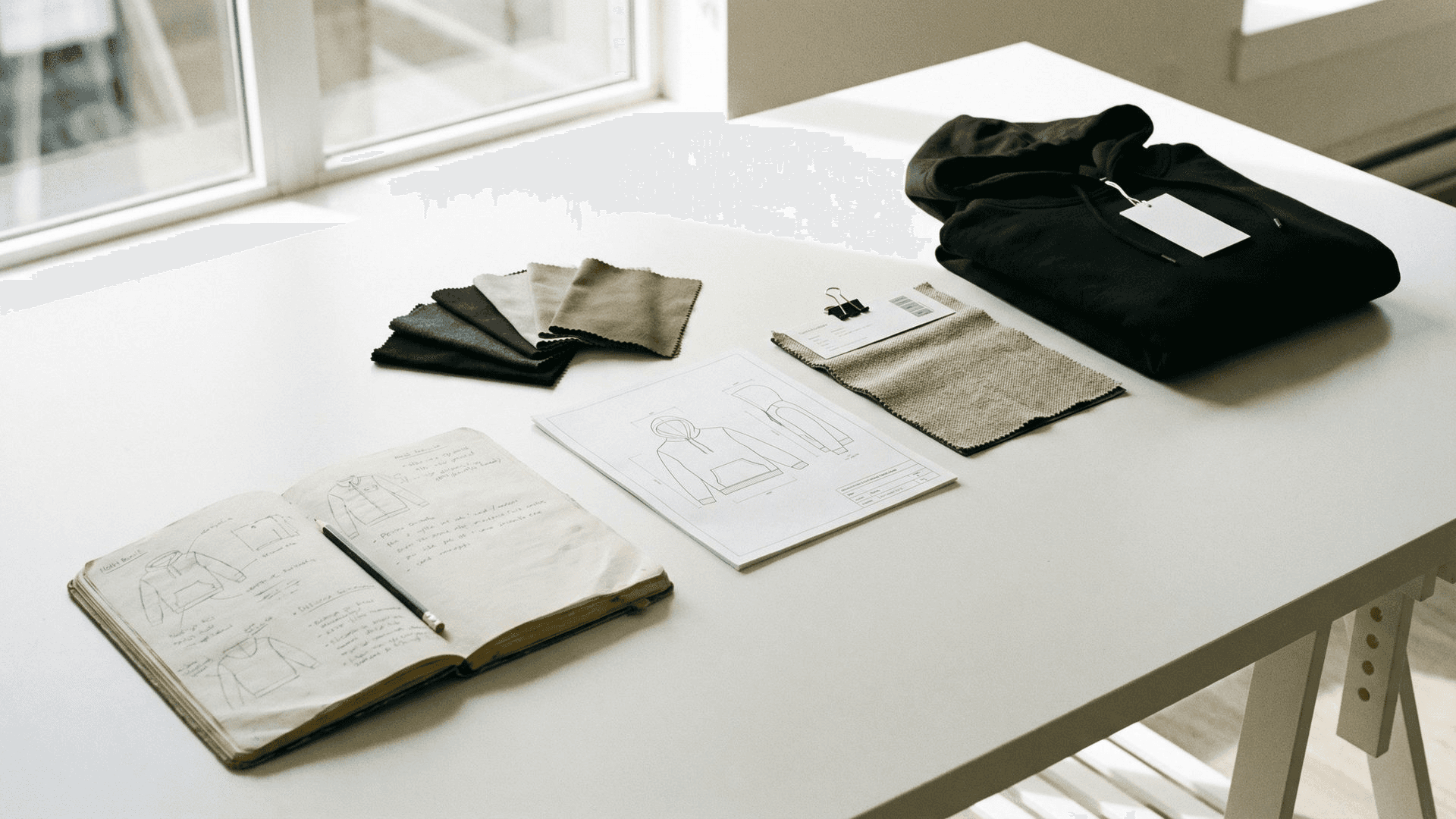
Apparel production involves specialized knowledge across multiple disciplines. Product design requires understanding of fashion trends, technical specifications, and brand translation. Material selection demands knowledge of fabric types, performance characteristics, and cost structures. Manufacturing involves navigating supplier relationships, quality standards, production timelines, and logistics.
Most companies outside the fashion industry don't have teams with these capabilities. An energy drink company's marketing team knows how to build brand awareness and drive beverage sales. A musician's team knows how to book tours and promote music. A podcast network's team knows how to produce content and sell advertising. None of these teams necessarily know how to source premium fleece or manage garment dye processes.
This knowledge gap creates two common failure modes.
The first failure mode is cheap promotional products disguised as merchandise. Companies treat merchandise as an extension of promotional marketing, ordering low-cost items with logos slapped on generic products. The result is merchandise that customers don't want to wear, damaging brand perception rather than building it.
This approach fundamentally misunderstands what makes merchandise work. Customers have high expectations for product quality and design sophistication. They're comparing your merchandise not to other promotional products but to retail alternatives from established fashion brands. If your merchandise doesn't meet those standards, it won't get worn, and all the strategic benefits (visibility, emotional connection, repeat engagement) disappear.
The second failure mode is attempting to build internal apparel capabilities without sufficient expertise or commitment. Companies hire a designer, find a manufacturer through basic research, and attempt to manage production themselves. This often results in quality issues, production delays, inventory problems, and frustrated teams who are trying to manage a business function outside their core competency.
The solution isn't to become an apparel company. It's to work with partners who specialize in full-package merchandise development for companies outside the fashion industry.
What "Full-Package Partnership" Actually Means
The term "full-package" gets used frequently in apparel manufacturing, but it's worth defining precisely what it means and why it matters for companies without internal apparel expertise.
Full-package partnership means a single partner handles every aspect of merchandise development and production. This includes product design, material sourcing, technical specifications, manufacturer coordination, quality control, production management, and logistics. The client (your company) provides brand direction, approves designs, and makes strategic decisions. The partner handles all technical execution.
This model solves the expertise gap. You don't need to know how to source premium fleece or manage garment dye processes. You don't need to build relationships with manufacturers or understand quality control protocols. You don't need to hire internal apparel specialists. Your partner brings all of that expertise, allowing your team to focus on what they do best (running your core business) while still building a professional merchandise program.
The key is finding partners who specialize in working with companies outside the fashion industry. These partners understand that you're not an apparel company. They're structured to provide the education, guidance, and hands-on management that allows non-apparel businesses to build successful merchandise programs.
This is fundamentally different from working with manufacturers who expect you to arrive with tech packs, material specifications, and production-ready designs. Full-package partners start earlier in the process, helping you translate brand identity into product concepts, make informed decisions about materials and construction, and navigate the entire development cycle.
Case Study: C4 Energy (Energy Drink Brand)
C4 Energy provides a strong example of how energy drink brands can build sophisticated merchandise programs that extend beyond simple logo placement.
C4 has built a merchandise business that generates substantial revenue while strengthening brand positioning in fitness and performance contexts. Their approach demonstrates several strategic principles that apply across categories.
Quality as Brand Expression
C4 recognized early that their merchandise needed to meet the same quality standards as their core products. Their target audience (serious fitness enthusiasts and athletes) has high expectations for both performance supplements and athletic apparel. Delivering subpar merchandise would damage the brand perception that C4 has carefully built through product quality and athlete partnerships.

This drove investment in premium athletic fabrics, professional design, and quality construction. C4's merchandise works as legitimate athletic apparel, not just branded promotional products. Customers wear C4 apparel during workouts because it performs well, not just because they like the brand.
This quality commitment applies regardless of category. Musicians need merchandise that works as legitimate fashion. Podcast networks need apparel that people actually want to wear in social settings. Gaming organizations need gear that fits into gaming and streetwear culture. The principle is universal: quality cannot be compromised.
Community Partnership Approach
C4's co-branded merchandise program with run clubs for the 2026 LA Marathon demonstrates sophisticated thinking about merchandise as community building rather than just product sales.
Rather than simply sponsoring the marathon with promotional giveaways, C4 partnered with local run clubs to develop co-branded merchandise that serves both the C4 community and the running community. This creates multiple strategic benefits.
It introduces C4 to running communities who may not be familiar with the brand. It creates collectible, limited edition products that drive engagement among existing C4 customers. It positions C4 as a supporter of local fitness communities rather than just a beverage brand. And it generates organic brand visibility during weeks of training runs leading up to the marathon, not just during the event itself.
This partnership approach is applicable across categories. Musicians can partner with visual artists. Podcast networks can collaborate with complementary creators. Gaming organizations can partner with streamers. Tech companies can collaborate with developer communities. The key is authentic connection rather than transactional sponsorship.
Long-Term Program Development
C4's merchandise program didn't achieve current scale immediately. They started with core products, tested customer response, refined based on feedback, and gradually expanded the product line and operational sophistication.
This long-term commitment allowed the program to mature. Initial launches required investment with modest returns. As the program developed, operational efficiency improved, customer bases grew, and returns compounded. The most successful merchandise programs receive consistent investment over multiple years.
Case Study: Marshmello (DJ/Electronic Music Producer)
Marshmello's merchandise strategy offers valuable lessons for any business with strong visual brand identity and engaged community, regardless of category.
Marshmello has built a merchandise business that generates millions in annual revenue while reinforcing brand identity and creating collectible products that fans actively seek out. The approach demonstrates principles applicable to musicians, content creators, gaming organizations, and any brand with cultural relevance.
Iconic Brand Identity Translation
Marshmello's helmet and smile logo create instantly recognizable brand elements that translate exceptionally well to merchandise. This visual identity allows for clean, minimalist designs that work as standalone fashion pieces while maintaining strong brand presence.
The lesson applies beyond music. Strong visual brand identity (whether that's logos, mascots, color systems, or graphic elements) creates foundation for merchandise that people want to wear. Brands with distinctive visual identity have natural advantages in merchandise, but even brands without iconic logos can develop design systems that work well on apparel.
The key is professional design that balances brand visibility with aesthetic appeal. Customers won't wear products that don't look good, regardless of brand affinity. Marshmello's merchandise succeeds because it works as legitimate streetwear that happens to carry brand elements, not just branded promotional products.
Song-Based Product Launches
Marshmello ties merchandise releases to specific songs ("Leave Before You Love Me", "Happier", "Friends", "Silence"), creating natural launch opportunities and collectible products connected to specific cultural moments.
This content-driven merchandise strategy works across categories. Podcast networks can create merchandise tied to popular episodes or recurring segments. Gaming organizations can tie products to tournament victories or roster announcements. Energy drink brands can connect products to athlete partnerships or event sponsorships. Any business with content or cultural moments can use them as merchandise launch opportunities.
Song-based products also create urgency. Fans want merchandise connected to songs they love while those songs are culturally relevant. This drives immediate purchases rather than indefinite consideration.
Tour Collaboration Model
Marshmello's tour merchandise, including collaborations like the Jonas Brothers "Living the Dream" tour, demonstrates how limited edition products tied to specific events create collectibility and urgency.
Tour merchandise works for musicians because tours are natural merchandise opportunities. But the principle (limited edition products tied to specific events or moments) applies across categories. Energy drink brands can create event-specific merchandise for competitions or festivals. Podcast networks can develop limited products for live shows. Gaming organizations can create tournament-specific gear. Tech companies can develop conference-specific apparel.
The combination of limited availability and event connection creates products that feel special rather than generic. Customers purchase not just because they want merchandise but because they want to commemorate specific experiences or moments.
Premium Pricing and Quality Standards
Marshmello's merchandise pricing (sixty to eighty dollars for hoodies, thirty-two to thirty-eight dollars for t-shirts) reflects premium positioning and quality standards. This pricing works because the products deliver quality that justifies the cost.
The lesson is that premium pricing requires premium quality. Customers will pay higher prices for merchandise if the quality, design, and brand value warrant it. But attempting premium pricing with mediocre quality creates customer dissatisfaction and damages brand perception.
Marshmello's success demonstrates that merchandise doesn't need to be cheap to sell well. Quality and brand affinity drive purchase decisions more than price, particularly for customers with strong brand connection.
Case Study: Barstool Sports (Podcast Network and Content Company)
Barstool Sports represents perhaps the most sophisticated merchandise operation among media and content companies, with merchandise generating thirty-one percent of approximately one hundred million dollars in annual revenue.
Barstool's approach offers lessons for podcast networks, content creators, media companies, and any business built around community and cultural relevance.
Viral Moments to Merchandise Pipeline
Barstool has perfected the ability to turn cultural moments and viral content into merchandise with overnight turnaround. When something resonates with their audience (whether that's a podcast moment, cultural event, or inside joke), Barstool can have merchandise available within hours.
This speed creates several advantages. It captures cultural relevance while moments are still fresh. It demonstrates responsiveness to community interests. It creates urgency (products tied to specific moments have limited relevance windows). And it generates consistent newness that keeps the merchandise offering fresh and engaging.
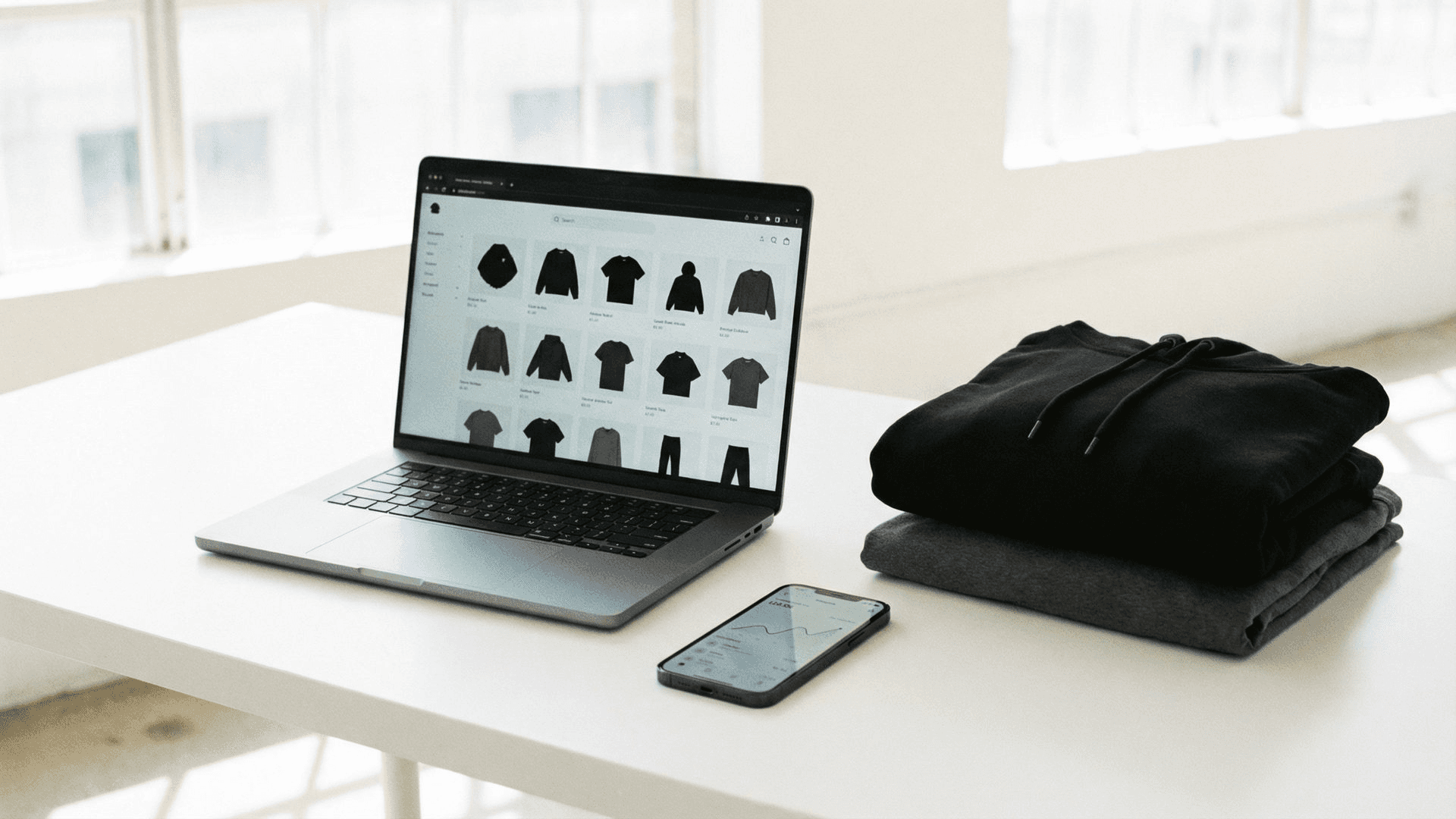
The technical execution requires sophisticated e-commerce infrastructure and manufacturing relationships that enable rapid product development and launch. Barstool uses dynamic product ads and automated catalog feeds that update as new products are added, allowing them to scale merchandise operations without manual ad creation for every product.
This viral-to-merchandise pipeline works for any business with content that creates cultural moments. Podcast networks can turn popular episode moments into products. Gaming organizations can capitalize on tournament highlights. Musicians can create products around viral social media moments. The key is having operational infrastructure that enables speed.
Sub-Brand Ecosystem
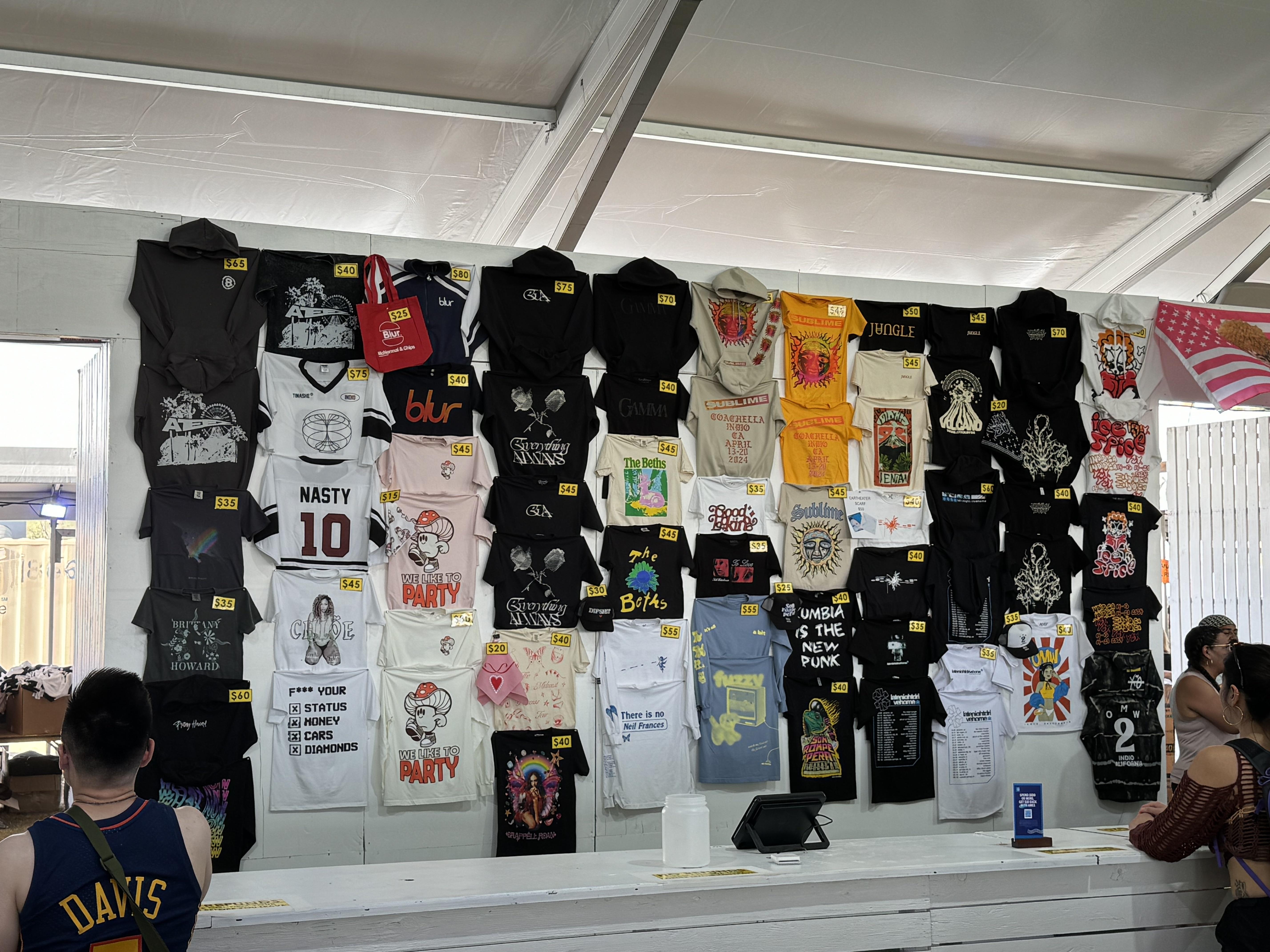
Barstool's merchandise strategy segments by sub-brand (Pardon My Take, KFC Radio, Bussin' With The Boys, One Bite, Spittin' Chiclets, Stella Blue Coffee), with each property having its own merchandise line that speaks to specific audience segments.
This segmentation allows for personalized products that resonate with niche audiences within the broader Barstool community. Pardon My Take fans get merchandise that reflects that show's specific culture and inside jokes. Spittin' Chiclets fans get hockey-specific products. This specificity drives stronger engagement than generic Barstool-branded products.
The lesson applies to any business with multiple products, services, or audience segments. Energy drink brands can create different merchandise lines for different sports or activities. Musicians can develop different products for different album eras or musical styles. Gaming organizations can create team-specific or game-specific merchandise. Segmentation allows for relevance and personalization.
Community-Driven Product Development
Barstool's merchandise reflects community culture, inside jokes, and shared experiences rather than top-down brand messaging. Products emerge from what resonates with the audience, not what marketing teams think should resonate.
This community-first approach creates merchandise that feels authentic rather than corporate. Customers purchase because products reflect their identity and community membership, not just because they like the brand.
The approach requires deep understanding of community culture and willingness to let community drive product direction. This can feel uncomfortable for brands accustomed to controlling messaging. But merchandise works best when it reflects genuine community identity rather than manufactured brand positioning.
Operational Excellence at Scale
Barstool's merchandise success isn't just about creative strategy. It's also about operational excellence. Professional e-commerce platforms, fast fulfillment, clear communication, responsive customer service, and sophisticated paid media management create positive customer experiences that drive repeat purchases.
Poor operational execution creates friction that damages brand perception regardless of product quality. Slow shipping, unclear communication, difficult returns, or unresponsive customer service turn merchandise from brand-building opportunity into brand-damaging liability.
The lesson is that merchandise requires operational commitment. It's not just about designing products. It's about building infrastructure that delivers professional customer experiences at scale.
Strategic Lessons Applicable Across Categories
The case studies from C4 Energy, Marshmello, and Barstool Sports reveal strategic principles that apply regardless of whether you're selling energy drinks, producing music, hosting podcasts, running gaming organizations, or leading marketing for tech or CPG brands.
Lesson One: Quality Cannot Be Compromised
All three examples demonstrate unwavering commitment to quality. C4 invests in premium athletic fabrics. Marshmello delivers streetwear-quality products. Barstool maintains quality standards across hundreds of SKUs.
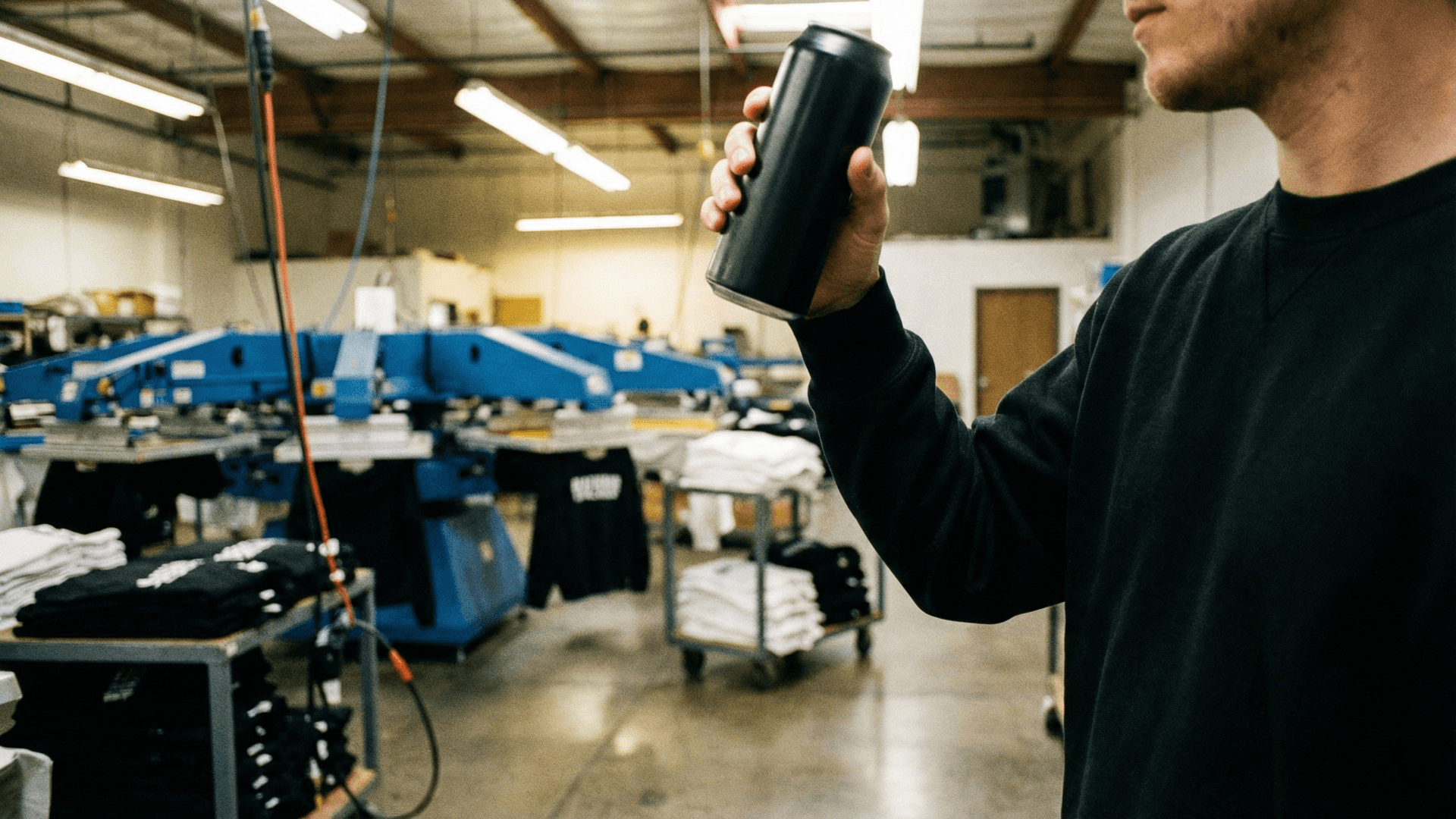
This quality commitment isn't optional. Your audience has high expectations and sophisticated quality standards, regardless of category. Delivering subpar products damages brand perception and reduces repeat purchases. The investment in premium quality pays for itself through customer satisfaction, word-of-mouth, and brand equity.
Quality standards should match or exceed retail alternatives in your price range. If you're charging thirty-five dollars for a t-shirt, it needs to compete with thirty-five dollar retail t-shirts in quality, fit, and construction. If it doesn't, customers will be disappointed and unlikely to purchase again.
Lesson Two: Product Selection Must Align With Customer Context
C4 focuses on athletic apparel for fitness contexts. Marshmello emphasizes streetwear for youth culture and concert settings. Barstool creates products that work in social settings and online content.
Think about where your customers spend time and what makes sense in those contexts. If your audience is primarily in gyms and fitness environments, athletic apparel makes sense. If they're in social settings, casual streetwear works better. If they're in professional environments, more refined designs may be appropriate.
Product selection should reflect customer lifestyle and contexts where they'll actually wear merchandise. Products that don't fit naturally into customer environments won't get worn, eliminating all the strategic benefits of visible brand presence.
Lesson Three: Design Sophistication Matters as Much as Quality
Customers won't wear products that don't look good, regardless of quality. All three examples invest in professional design that balances brand visibility with aesthetic appeal.
This requires understanding of current fashion trends, design principles, and audience preferences. It's not enough to put your logo on a generic hoodie. Design needs to consider typography, color theory, composition, placement, and overall aesthetic.
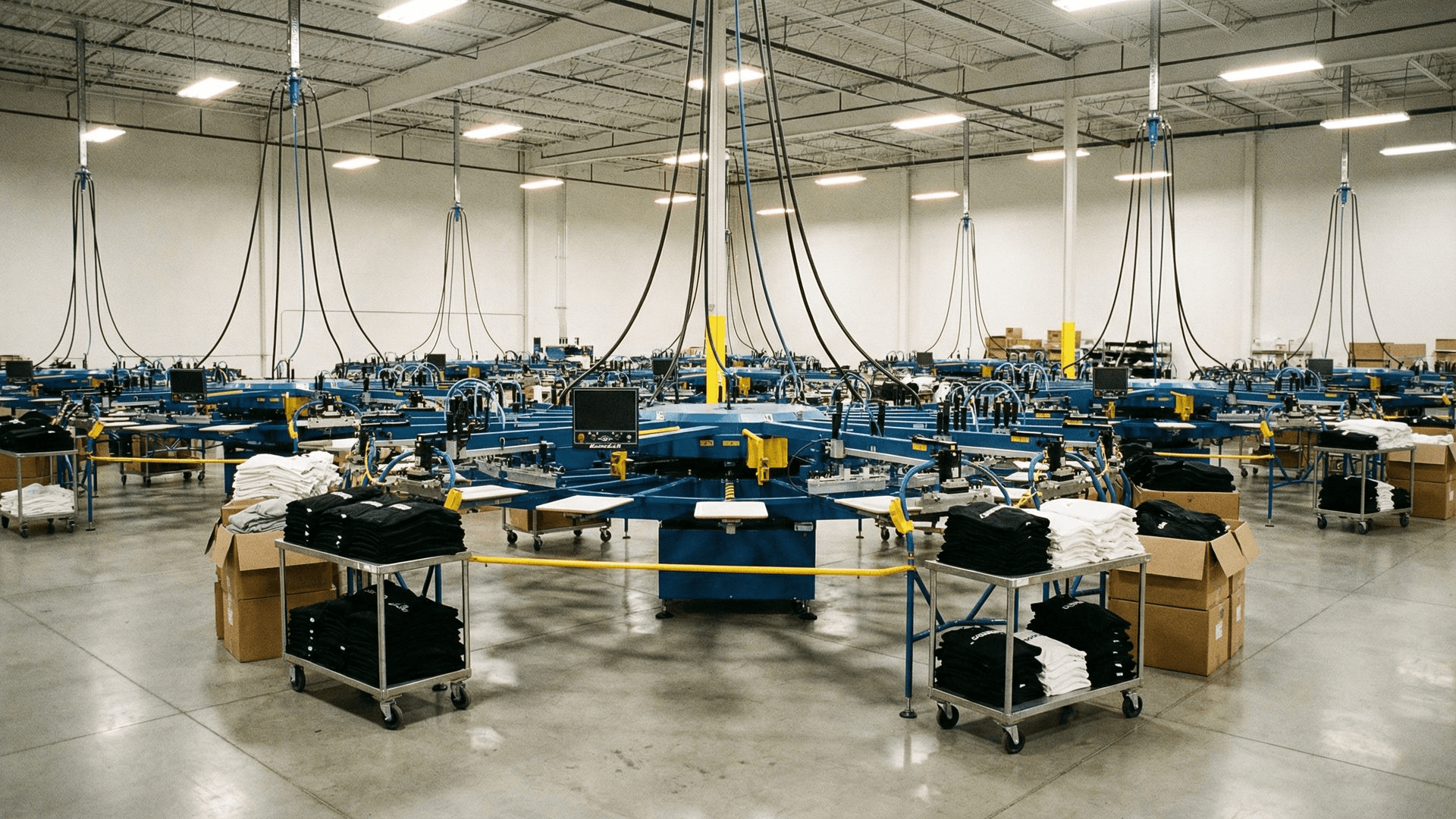
Professional design often requires working with designers who understand both fashion and brand translation. This is one of the key values that full-package partners provide: design expertise that translates brand identity into products people actually want to wear.
Lesson Four: Speed and Cultural Relevance Create Engagement
Barstool's viral-to-merchandise pipeline and Marshmello's song-based launches demonstrate how speed and cultural relevance drive engagement. Products tied to specific moments or cultural events create urgency and collectibility.
This doesn't mean every product needs to be limited edition or time-sensitive. Core products (basic hoodies, t-shirts, hats) should be evergreen and consistently available. But layering in limited products tied to cultural moments keeps the offering fresh and gives customers reasons to return.
The key is having operational infrastructure that enables speed when opportunities arise. This requires manufacturing relationships, e-commerce systems, and internal processes that support rapid product development and launch.
Lesson Five: Community Partnership and Collaboration Expand Reach
C4's run club partnerships demonstrate how co-branded merchandise can serve multiple communities while expanding reach. This partnership approach works across categories.
Look for complementary communities, creators, or brands that share audience overlap but aren't direct competitors. Develop co-branded products that serve both communities. This introduces your brand to new audiences while creating unique products that drive engagement among existing customers.
Partnerships work best when they're authentic rather than transactional. The goal is genuine collaboration that creates value for both communities, not just logo placement on each other's products.
Lesson Six: Long-Term Commitment Allows Programs to Mature
All three examples demonstrate long-term commitment to merchandise programs. Initial launches require investment with modest returns. As programs mature, operational efficiency improves, customer bases grow, and returns compound.
The most common mistake is abandoning merchandise programs too early. Companies launch products, see modest initial results, and conclude that merchandise doesn't work for their business. But successful programs require time to build customer awareness, refine product offerings, optimize operations, and accumulate brand equity.
Plan for multi-year commitment. Expect the first year to be learning and foundation-building. Expect meaningful returns to emerge in years two and three as the program matures and compounds.
Building Your Own Program: The Process
If you're ready to build a merchandise program for your business, here's the realistic process and timeline.
Phase One: Strategic Foundation (Weeks 1-2)
Start by defining strategic objectives. What do you want merchandise to accomplish? Revenue generation? Customer engagement? Brand visibility? Community building? All of these are valid, but clarity on priorities shapes product selection, pricing strategy, and operational decisions.
Identify your target customer for merchandise. This may be your core customer base, or it may be a specific segment. Understanding who you're designing for informs product selection and design direction.
Define budget parameters. What can you invest in initial product development, inventory, and operational infrastructure? Realistic programs typically require twenty-five to fifty thousand dollars in initial investment for product development, first production run, and e-commerce setup.
Phase Two: Partner Selection (Weeks 2-4)
If you don't have internal apparel expertise (and most companies outside fashion don't), partner selection is the most important decision in the process.
Look for partners who specialize in full-package merchandise development for companies outside the fashion industry. These partners should handle product design, material sourcing, manufacturer coordination, quality control, and production management. They should be structured to provide education and guidance throughout the process.
Evaluate partners on quality standards, design capabilities, production capacity, communication practices, and client references. Ask to see examples of work for similar clients (other companies outside fashion who have built merchandise programs).
Expect this process to take several weeks. Partner selection shouldn't be rushed. The right partner makes the difference between successful program and operational headache.
Phase Three: Product Development (Weeks 4-10)
Product development begins with brand exploration and design direction. Your partner should spend time understanding your brand identity, audience, and strategic objectives before jumping into product design.
Initial design concepts typically include three to five product types (for example, hoodie, t-shirt, hat, long-sleeve shirt). Each product includes multiple design options exploring different aesthetic directions.
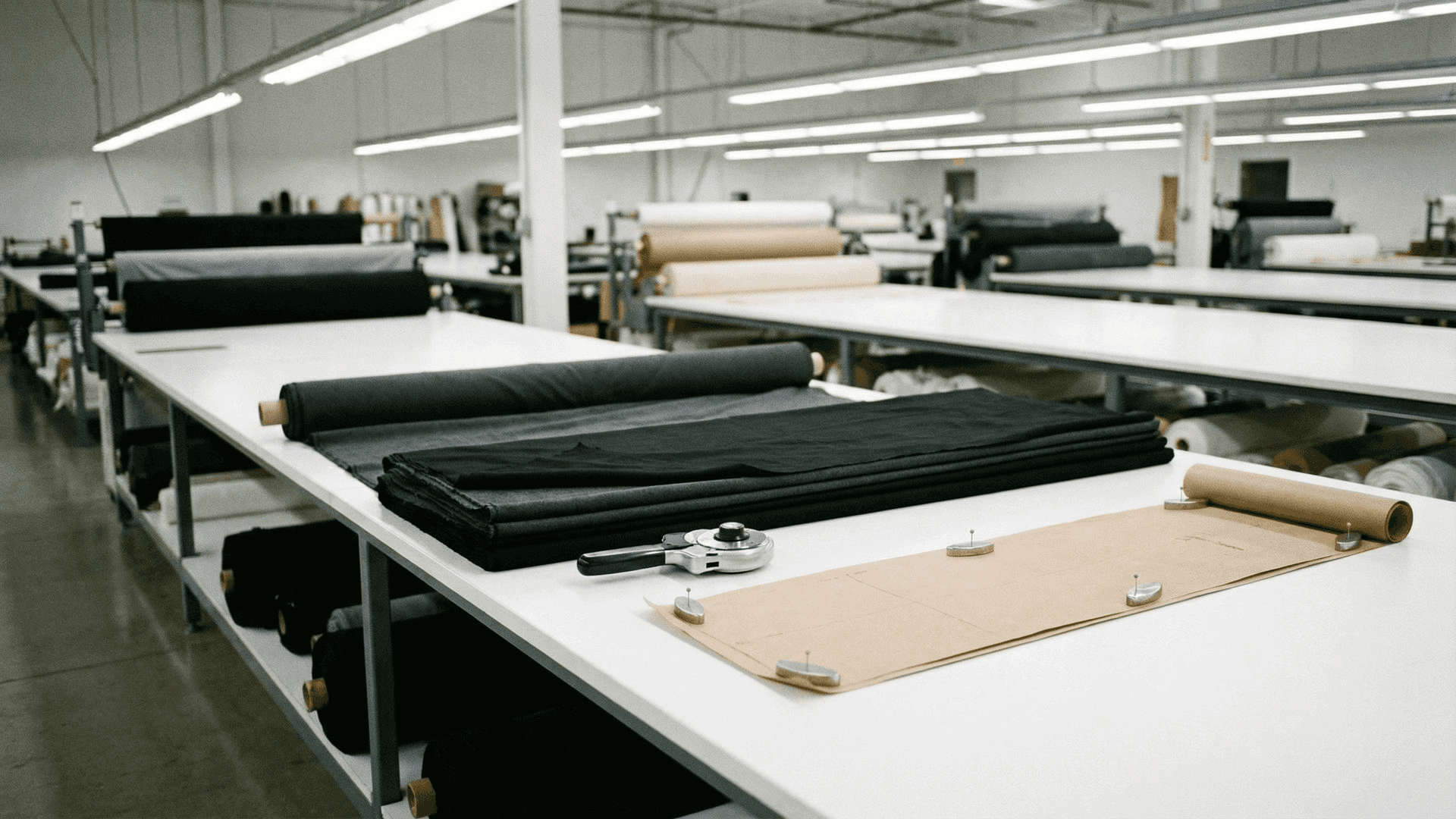
You'll review designs, provide feedback, and refine until designs feel right for your brand and audience. This iterative process typically takes three to four weeks.
Once designs are approved, your partner develops technical specifications, sources materials, and coordinates with manufacturers. You'll review and approve material samples before production begins.
Expect product development to take six to eight weeks from kickoff to production-ready designs and specifications.
Phase Four: Production (Weeks 10-16)
First production runs typically take six to eight weeks from order placement to delivery. This includes material procurement, production, quality control, and shipping.
Initial production runs are usually modest (two hundred to five hundred units per design) to test customer response before committing to larger inventory.
Your partner should manage production coordination, quality control, and logistics. You should receive updates on production progress and have opportunity to review samples before final production.
Phase Five: Launch and Operations (Week 16+)
Launch requires e-commerce infrastructure (either standalone store or integration with existing website), product photography, copywriting, and marketing strategy.
Many full-package partners provide e-commerce setup as part of their service. If not, you'll need to build this capability internally or work with e-commerce specialists.
Launch marketing should leverage your existing channels (email lists, social media, content platforms) to drive initial awareness and traffic. Expect to invest in paid advertising to supplement organic reach.
Ongoing operations include inventory management, order fulfillment, customer service, and product line expansion. Many companies outsource fulfillment to third-party logistics providers to avoid building internal shipping operations.
Total Timeline: Four to Six Months
From strategic foundation to launch, expect four to six months for first product release. This timeline assumes no major delays and efficient decision-making.
After initial launch, subsequent product releases move faster (eight to twelve weeks) because foundational work (partner relationships, design systems, operational infrastructure) is already in place.
Common Mistakes to Avoid
Companies building first merchandise programs make predictable mistakes. Learning from others' experience can save time, money, and frustration.
Mistake One: Treating Merchandise as Promotional Products
The most common mistake is approaching merchandise as an extension of promotional marketing rather than a legitimate business line. This leads to cheap products, generic designs, and minimal investment.
Merchandise works when it's treated as a product business with quality standards, design sophistication, and operational excellence. Promotional products work for giveaways and event activations. Merchandise works for revenue generation, customer engagement, and brand building. These are different functions requiring different approaches.
Mistake Two: Attempting to Build Internal Capabilities Without Expertise
Some companies try to build internal apparel capabilities by hiring a designer and attempting to manage production themselves. This rarely works well unless you're prepared to make significant investment in building true apparel expertise.
Apparel production is a specialized discipline. It's not something you can learn adequately through basic research and trial-and-error. Working with experienced partners who handle technical execution allows you to build successful programs without becoming apparel experts.
Mistake Three: Expecting Immediate Profitability
First product launches typically don't generate immediate profitability. Initial investment in product development, inventory, and operational setup means early returns are modest.
Successful programs become profitable over time as operational efficiency improves, customer bases grow, and inventory management optimizes. Plan for multi-year commitment and expect meaningful returns to emerge in years two and three.
Mistake Four: Launching Too Many Products Initially
Some companies launch with dozens of products, thinking that more options drive more sales. This creates inventory complexity, dilutes marketing focus, and makes it difficult to understand what resonates with customers.
Start with three to five core products. Test customer response. Learn what works. Expand gradually based on data and feedback. This focused approach allows for better inventory management and clearer learning.
Mistake Five: Compromising on Quality to Hit Price Points
Some companies work backward from desired price points, compromising quality to hit target costs. This creates products that don't meet customer expectations and damage brand perception.
Work forward from quality standards. Define the quality level your brand requires. Understand the costs to deliver that quality. Price accordingly. Customers will pay for quality if the value is there. They won't forgive poor quality regardless of price.
Mistake Six: Neglecting Operational Excellence
Some companies focus entirely on product design and neglect operational execution. Poor e-commerce experiences, slow shipping, unclear communication, or difficult returns create friction that damages brand perception.
Merchandise requires operational commitment. Invest in professional e-commerce platforms, reliable fulfillment, clear communication systems, and responsive customer service. Operational excellence is as important as product quality.
The Business Case: What to Expect
If you're evaluating whether to invest in merchandise, here's the realistic business case based on established programs across categories.
Revenue Potential
Established merchandise programs for companies outside the fashion industry generate two hundred fifty thousand to over one million dollars annually in direct sales. Programs in their first year typically generate fifty to one hundred fifty thousand dollars as they build customer awareness and optimize operations.
Profit margins range from forty to sixty percent depending on product mix, pricing strategy, and operational efficiency. These margins make merchandise a profitable business line, not just a marketing expense.
Customer Lifetime Value Impact
Customers who purchase merchandise demonstrate twenty to forty percent higher lifetime values compared to customers who only purchase core products or services. They're more engaged, purchase more frequently, and show greater resistance to competitive offerings.
This lifetime value premium often exceeds the direct profit from merchandise sales. Merchandise purchase serves as a leading indicator of customer value and engagement.
Marketing Efficiency
Each person wearing your merchandise generates hundreds to thousands of brand impressions annually in target environments. These organic impressions reach audiences that paid advertising struggles to access, particularly younger demographics with high ad avoidance.
The marketing value is difficult to quantify precisely but often exceeds the direct product revenue. Visible brand presence creates awareness, credibility, and curiosity that supports all other marketing efforts.
Investment Requirements
Initial investment typically ranges from twenty-five to seventy-five thousand dollars depending on product complexity, production quantities, and operational infrastructure.
This includes product development (design, sampling, technical specifications), first production run (typically two hundred to five hundred units per design), e-commerce setup, product photography, and initial marketing.
Ongoing investment includes inventory replenishment, product line expansion, operational costs, and marketing. Successful programs typically reinvest early profits into inventory and product expansion.
Timeline to Profitability
Most programs achieve operational profitability (revenue exceeds ongoing costs) within twelve to eighteen months. Full profitability (revenue exceeds all costs including initial investment) typically occurs within twenty-four to thirty-six months.
This timeline assumes consistent investment, effective execution, and reasonable customer response. Programs that launch and then neglect to invest in ongoing development and marketing take longer to achieve profitability.
Next Steps: Getting Started
If you're ready to explore merchandise for your business, here are concrete next steps.
Step One: Define Strategic Objectives
Be clear about what you want merchandise to accomplish. Revenue generation? Customer engagement? Brand visibility? Community building? Strategic clarity shapes all subsequent decisions.
Step Two: Assess Internal Capabilities
Be honest about what expertise exists internally and what needs to come from partners. Most companies outside fashion need full-package partners who handle technical execution.
Step Three: Research Partner Options
Look for partners who specialize in merchandise development for companies outside the fashion industry. Review their work, talk to references, and evaluate their approach to design, quality, and communication.
Step Four: Understand Your Audience
Spend time understanding what your customers would actually want to wear. What contexts do they spend time in? What aesthetic preferences do they have? What price points make sense?
Step Five: Define Budget Parameters
Be realistic about investment requirements. Quality merchandise programs require meaningful investment in product development, inventory, and operations. Underfunding leads to compromised quality and poor results.
Step Six: Commit to Long-Term Development
Approach merchandise as a multi-year program, not a one-time project. The most successful programs receive consistent investment and attention over multiple years.
Conclusion
Building a merchandise program when apparel isn't your core business is entirely achievable. Companies across categories (energy drinks, music, podcasts, gaming, tech, CPG) have done it successfully by understanding what makes merchandise work as a business asset and partnering with specialists who handle technical execution.
The key is treating merchandise as a legitimate business line with quality standards, design sophistication, and operational excellence. Promotional products and professional merchandise are different things requiring different approaches.
Quality cannot be compromised. Design sophistication matters as much as quality. Product selection must align with customer context. Speed and cultural relevance create engagement. Community partnerships expand reach. Long-term commitment allows programs to mature.
If you're ready to explore merchandise for your business, the opportunity is real. The business case is strong. The execution is achievable with the right partners and approach.
Frequently Asked Questions
Can a company build a merchandise program without internal apparel expertise?
Yes. The most successful merchandise programs built by companies outside the fashion industry rely on full-package partners who handle every aspect of development and production. Energy drink brands, musicians, podcast networks, and gaming organizations have all built profitable merchandise programs without hiring internal apparel teams by working with partners who specialize in this model.
What is a full-package merchandise partner?
A full-package partner handles every stage of merchandise development under one roof, including product design, material sourcing, manufacturer coordination, quality control, production management, and logistics. The client provides brand direction and approves decisions. The partner handles all technical execution. This model is specifically designed for companies that want professional merchandise programs without building internal apparel capabilities.
How much does it cost to start a merchandise program?
Realistic first merchandise programs typically require $25,000 to $50,000 in initial investment, covering product development, the first production run, and basic e-commerce setup. Initial production runs are usually modest at 200 to 500 units per design to test customer response before committing to larger inventory.
How long does it take to launch a merchandise program?
From strategic foundation to first product launch, expect four to six months. This includes two to four weeks for partner selection, six to eight weeks for product development, six to eight weeks for production, and two to three weeks for launch setup. Subsequent product releases move faster at eight to twelve weeks because foundational infrastructure is already in place.
Why do merchandise programs fail?
The two most common failure modes are treating merchandise as promotional products rather than premium branded goods, and abandoning programs too early before they have time to mature. Customers compare merchandise to retail alternatives, not promotional giveaways. Programs that deliver subpar quality lose repeat purchasers. Programs that are discontinued after modest initial results never reach the compounding returns that come in years two and three.
What types of companies benefit most from merchandise programs?
Any company with an engaged audience and strong brand identity can build a successful merchandise program. Energy drink brands, musicians, podcast networks, gaming organizations, and tech or CPG companies are particularly well-positioned because their audiences have strong identity connection to the brand and natural contexts where merchandise gets worn and seen.