How AI Companies Are Using Merchandise to Build a Cult Following (And How to Do It Yourself)
A publicly traded company that builds complex software for intelligence agencies and corporations is thinking about its CEO not as a chief executive, but as a cultural icon on par with a musician or an athlete. This is not a marketing stunt. It is a signal of a profound shift in how the most ambitious companies in the world think about brand, community, and power.

How AI Companies Are Using Merchandise to Build a Cult Following (And How to Do It Yourself)
3 MINUTES
March 2, 2026
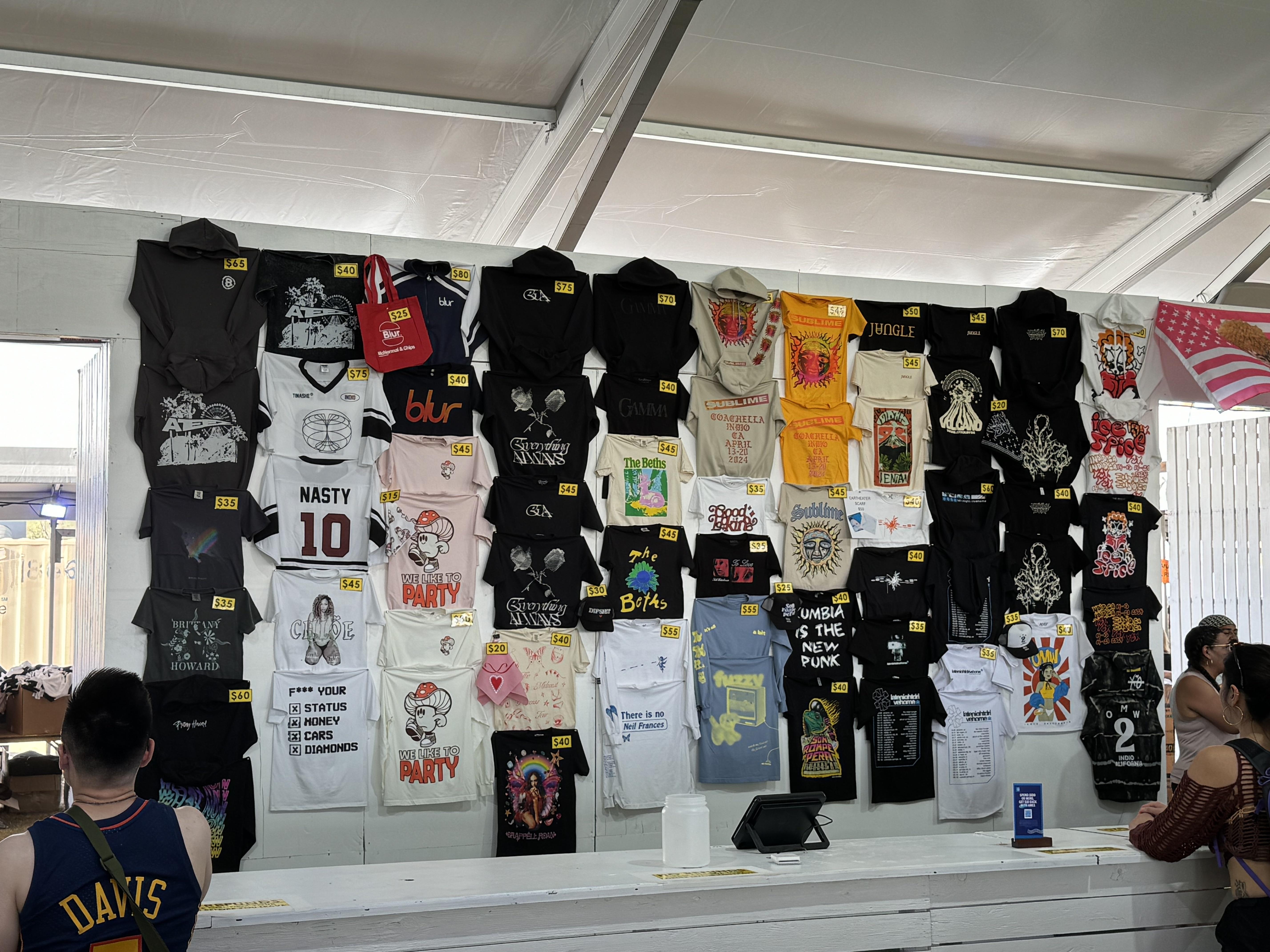
The drop model: merchandise as a cultural event, not a cost center.
In the fall of 2025, Palantir, the data-analytics and defense-tech giant, sold 1,000 hats in under three hours. The company's next drop featured a watercolor t-shirt of its CEO, Alex Karp. The rationale from their strategic engagement lead was simple and staggering: "I grew up seeing people with rappers and athletes on T-shirts. Karp is a cultural icon."
Let that sink in. A publicly traded company that builds complex software for intelligence agencies and corporations is thinking about its CEO not as a chief executive, but as a cultural icon on par with a musician or an athlete. This is not a marketing stunt. It is a signal of a profound shift in how the most ambitious companies in the world think about brand, community, and power. They are realizing that in a crowded market, the most valuable asset is not just a superior product, but a cult following. And the most direct, tangible, and underutilized tool for building that following is merchandise.
This is the playbook for how they are doing it, and how you can too.
The Employee Swag Kit Trap
For most companies, merchandise is an afterthought. It is a box to check in the HR onboarding process: a cheap hoodie, a flimsy tote bag, a set of pens, all sourced from the lowest-cost vendor. This is the Employee Swag Kit Trap. It is the belief that merchandise is an internal HR tool, a cost center designed to foster a vague sense of team spirit. It is a profound misunderstanding of what merchandise can and should be.
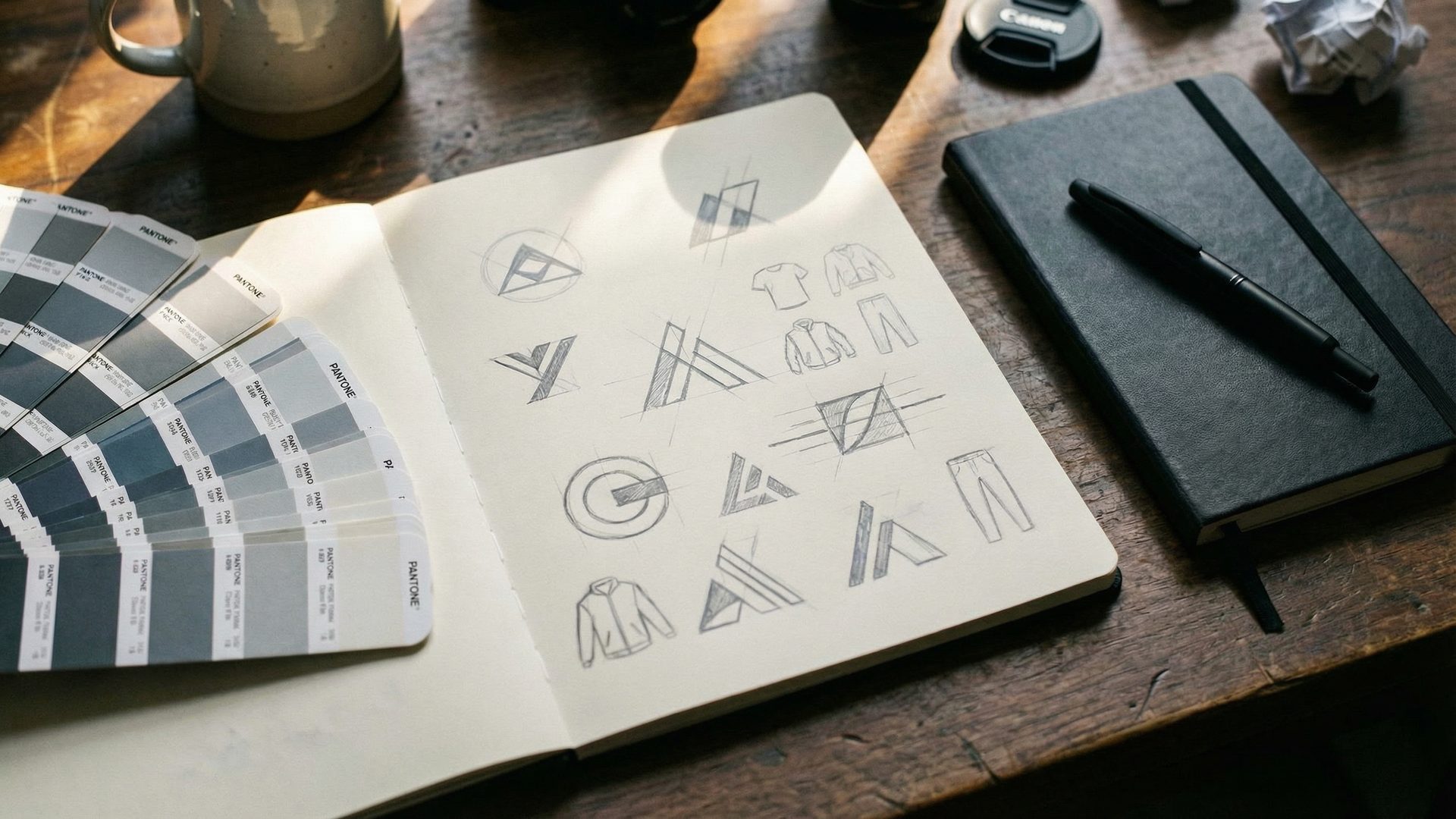
The difference between swag and a brand artifact begins at the design stage.
In 2026, your merchandise is not an internal tool. It is an external brand asset. Every time an employee, a customer, or a fan wears your gear in public, it is a marketing impression. The question is, what story is that impression telling? Is it the story of a generic, forgettable company that cuts corners on everything, including the things its own team wears? Or is it the story of a brand so confident, so intentional, and so culturally relevant that people are proud to be a walking billboard for it? The best AI companies have understood this distinction, and they are exploiting it to build an unfair advantage.
The New Playbook: Three Companies, Three Models
The companies winning the war for talent and attention are not just building better products; they are building better brands. They are using merchandise not as swag, but as a strategic tool for narrative-building, community-organizing, and cultural signaling. Here are three distinct models for how it is being done.
Palantir: The Lifestyle Brand Play
Palantir is not just selling software; they are selling a worldview. Their merchandise program is a direct extension of this strategy. By creating products that are genuinely desirable and culturally resonant (the Alex Karp watercolor tee, the sold-out hats), they are inviting their fans to become part of a tribe. Their strategic engagement lead put it plainly: "It's free marketing for us. There's no downside to this operation. It's only upside." This is not a company that stumbled into a merch program. It is a company that made a deliberate decision to become a lifestyle brand, and is executing that decision with the same rigor it applies to its core product.
Anduril: The Limited Drop Model
Anduril, the defense-tech startup, has mastered the art of the limited drop. They have released everything from bullet-riddled relics from ballistic testing to mission-specific apparel, often with proceeds going to military-focused nonprofits. This approach does two things brilliantly. First, it creates scarcity and urgency, turning each merch release into a cultural event rather than a routine purchase. Second, it reinforces the company's core narrative: working at Anduril is not just a job, but a mission of consequence. As Anduril's VP of Design noted: "Not long ago, it was considered taboo in Silicon Valley to work in defense, let alone proudly wear that company's logo on a T-shirt. Today, the opposite is true." The gear is not just clothing; it is an artifact of that mission.
Perplexity: The Full Consumer Goods Brand
Perplexity has taken this concept to its logical conclusion with Perplexity Supply, a full-fledged e-commerce store that feels more like a direct-to-consumer brand than a tech company's merch shop. They sell everything from hoodies and hats to framed art prints at $180-$290, coffee beans, and kids' apparel, often in collaboration with established designers like UGMONK. Their tagline, "For Minds That Never Stop," positions the brand not as a software tool, but as a lifestyle for the curious and ambitious. It is a masterclass in building a brand that people want to be a part of, not just use.
The Three-Tier Framework
So, how can your company apply these lessons? It is not about copying Palantir's CEO t-shirt. It is about understanding the strategic framework behind it. Here is a three-tier model for thinking about your own merchandise program, from crawl to walk to run.
Most companies are stuck at Tier 1, and they are not even doing it well. The real opportunity lies in graduating to Tiers 2 and 3. It is the difference between having employees and having a following.
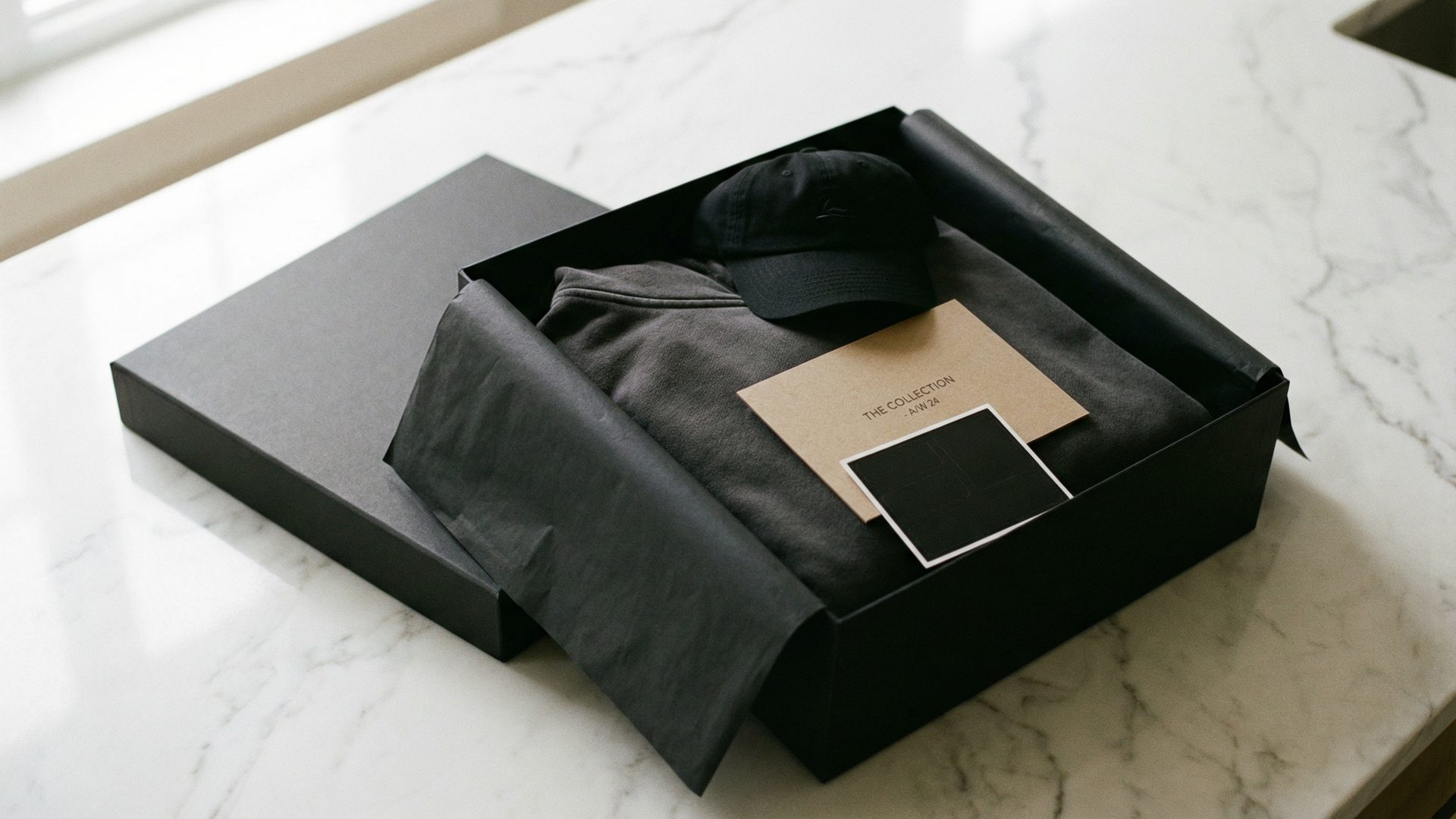
A cohesive team identity is the foundation. The community drop is what turns that identity into a movement.
Tier | Focus | Goal | Who It's For |
1. Internal Identity | Premium team gear, onboarding kits | Build internal pride and a cohesive team identity | Employees, new hires, key partners |
2. Community Drops | Limited, narrative-driven releases | Create cultural moments, reward your community, generate organic buzz | Your most engaged users, fans, and followers |
3. Lifestyle Brand | Evergreen consumer goods store | Build a durable brand that transcends your core product and generates a new revenue stream | The broader public and anyone who identifies with your mission |
Is This Right for You?
Before you spin up a Shopify store, a word of caution. A strategic merchandise program is not right for every company at every stage. It requires a clear brand narrative, a genuine community (even if it is small), and a commitment to quality. If your brand does not have a strong point of view, your merch will feel hollow. If you do not have an engaged audience, your drops will fall flat. And if you produce low-quality products, you will do more harm to your brand than good.
But if you are an AI company with a strong mission, a passionate user base, and a desire to build an enduring brand, then merchandise is one of the most powerful and cost-effective tools at your disposal. It is a way to make your abstract vision tangible, to give your community a flag to wave, and to signal to the world that you are not just another startup. You are a movement.
Finding a Full-Package Partner
Executing this playbook requires a different kind of partner. A traditional promotional products vendor can get you a thousand screen-printed t-shirts. They cannot help you develop a multi-year product strategy that aligns with your brand narrative. They cannot design and produce a custom, cut-and-sew garment that feels like it belongs in a high-end boutique. They cannot manage the complexities of global sourcing, production, and fulfillment required to operate at a retail standard.
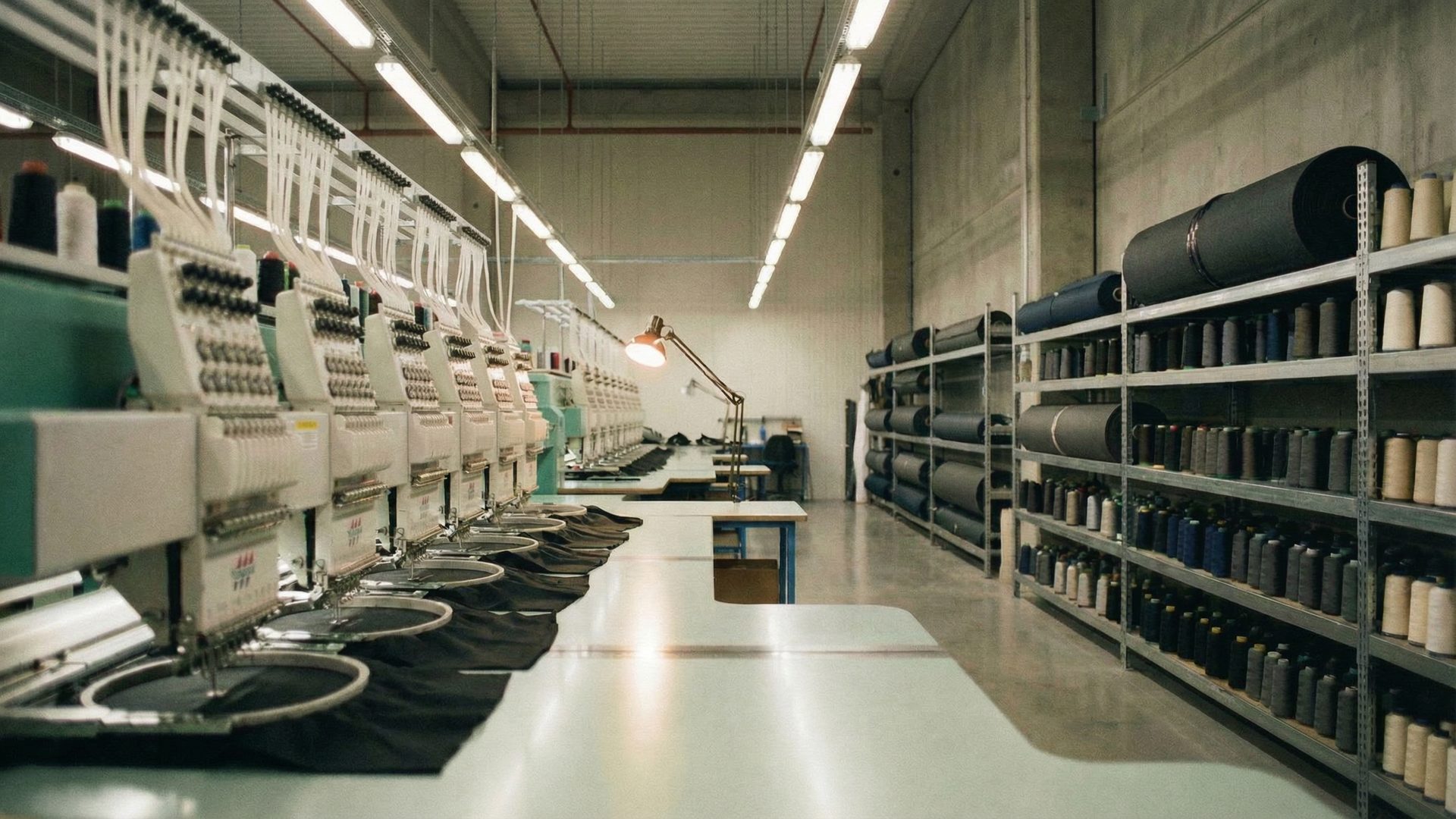
Retail-quality production is what separates a brand artifact from a piece of swag.
To build a truly strategic merchandise program, you need a full-package partner: a team that thinks like brand strategists, designs like a creative agency, and operates like a seasoned apparel production house. This partner works with you to translate your mission and values into a concrete product roadmap, handles everything from initial concept and design to sourcing, manufacturing, and e-commerce integration, and functions not as a vendor but as a dedicated extension of your brand and operations teams. This is the modern model for building a culturally relevant brand. Get in touch with HH to start the conversation.
Frequently Asked Questions
How do you launch a merch drop for a tech company?
A successful drop is built on narrative and scarcity. Tease it on social media, give early access to your most loyal community members, and make it feel like an event rather than a product release. The product itself should be tied to a specific moment in your company's journey: a product launch, a funding milestone, or a cultural inside joke that only your community understands.
What merch do Palantir and Anduril actually sell?
Palantir has sold hats, t-shirts (including a watercolor portrait of their CEO), and other apparel through multiple limited drops, with one drop selling 1,000 hats in under three hours. Anduril has released limited-edition items including mission patches, apparel, and bullet-riddled relics from ballistic tests, often donating proceeds to military nonprofits. The common thread is that both programs are narrative-driven and deliberately scarce.
Should my AI startup launch a merch program?
Ask yourself three questions: Do we have a clear, strong brand narrative? Do we have an engaged community that wants to represent our brand? Are we committed to producing retail-quality products rather than cheap swag? If the answer to all three is yes, you are ready. If not, start by building those foundations first.
How much does it cost to launch a merch program for a startup?
For a Tier 1 program (premium team gear), budget $150-$300 per employee for a high-quality onboarding kit. For a Tier 2 community drop, a budget of $10,000-$25,000 can fund a small, high-quality run of a few key items. A Tier 3 lifestyle brand is a more significant investment, often treated as a separate business unit with its own P&L.
Who makes premium merchandise for AI and tech companies?
Look for a full-package partner that offers strategy, design, and production under one roof, not a traditional promotional products vendor. You need a partner who understands brand, culture, and retail-quality production. HH specializes in exactly this, working with companies across the AI, tech, and consumer sectors to build merchandise programs that function as genuine brand assets.
What is the difference between company swag and a brand merchandise program?
Swag is a cost center. A brand merchandise program is a marketing channel. Swag is produced to be given away. A brand merchandise program is designed to be desired. The difference lies in the quality of the product, the intentionality of the design, the narrative behind the release, and the strategic goal of the program as a whole.
How does merchandise help with recruiting at AI companies?
Premium merchandise signals to prospective hires that a company has taste, ambition, and attention to detail. When a candidate sees that your team wears gear they would actually choose to wear, it communicates something about the quality of the environment they would be joining. In a market where the best engineers have dozens of offers, these signals matter more than most companies realize.