How to Start a Clothing Brand in 2026: The Definitive Guide
The complete playbook for starting a clothing brand in 2026. Learn how to find your niche, design products, build a community, and scale your business with expert insights.
How to Start a Clothing Brand in 2026: The Definitive Guide
3 MINUTES
February 26, 2026
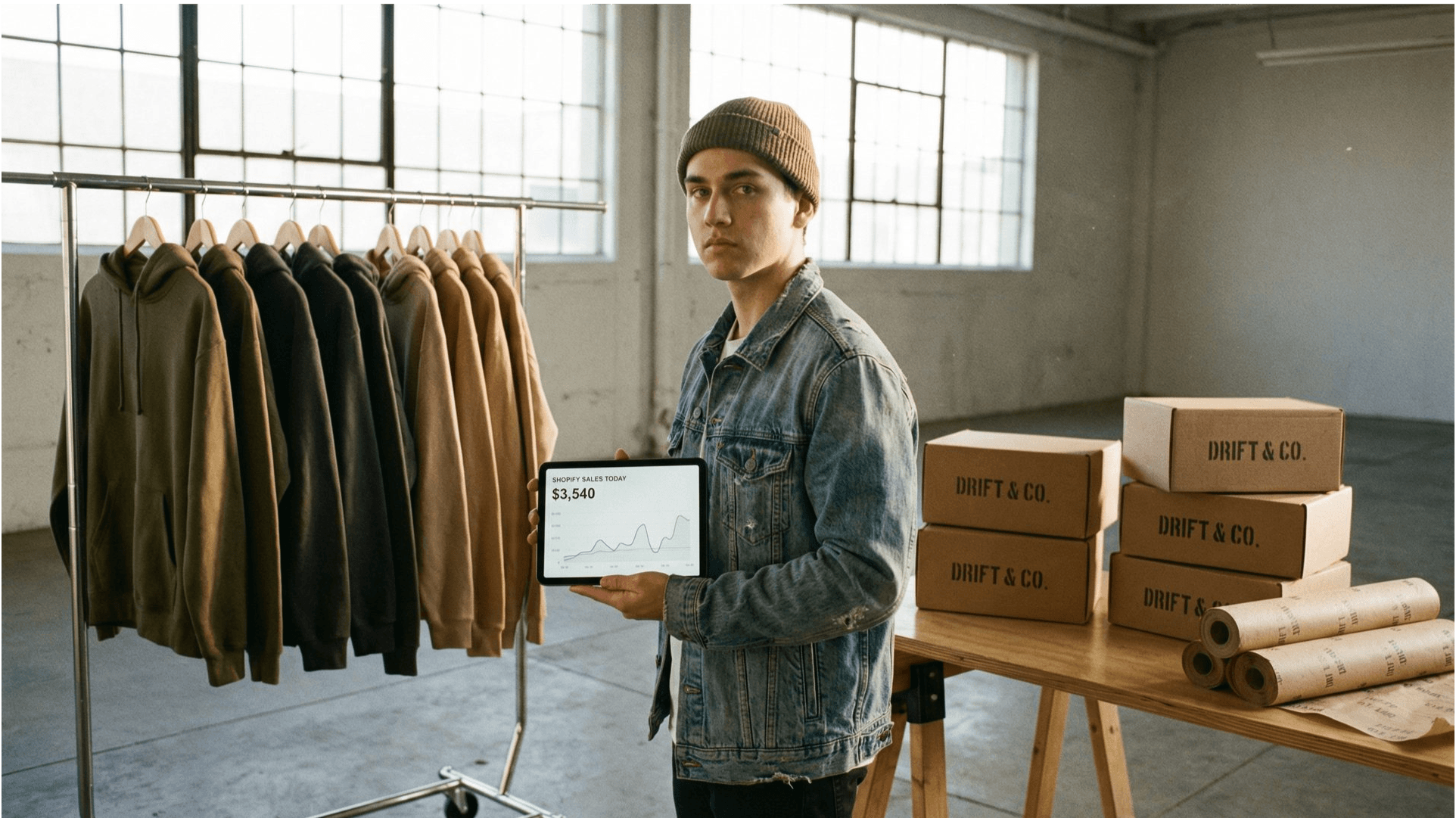
So, you want to start a clothing brand. Welcome to the club. In 2026, it feels like everyone with a laptop and a strong opinion on graphic tees has a brand in the works. The internet is a graveyard of forgotten Shopify stores and Instagram pages with three posts from two years ago. Most brands die before they ever really live, not because the ideas were bad, but because the founders were dreamers, not builders.
This is the guide for the builders. This is the playbook that takes you from the chaotic, late-night energy of a new idea to the focused, operational discipline of a seven-figure business. We are going to walk through the entire journey, from the “Fiverr and Alibaba” hustle to the moment you are walking a factory floor with your production manager, ensuring your vision is executed to the millimeter. We will cover finding your niche, designing products that matter, building a community that buys, navigating the maze of manufacturing, and understanding the hidden costs that sink most startups.
This guide is built on the real-world playbooks of people who have actually done it. We have synthesized insights from brand-building savants who document their journeys to seven-figure brands and break down the exact steps they took to build multi-million dollar businesses from the ground up. This is not theory; this is the operational reality of what it takes to win.
Part 1: The Zero-to-One Phase (The Dreamer’s Hustle)
This is the most romantic and most dangerous phase. It is fueled by pure creativity and the belief that your taste is impeccable. It is also where 90% of aspiring brand owners make fatal errors.
Chapter 1: Your Idea Isn’t a Brand (Yet)
The biggest mistake beginners make is thinking a cool product idea is a brand. It is not. A brand is not a product; it is a point of view. It is a niche. The most successful founders build around a niche, not a product. Why? Because a product can be copied and commoditized overnight. A niche, and the authority you build within it, cannot.
Your first step is not to design a t-shirt. It is to identify a subculture, a community, a niche that you understand on a native level. Make a list of everything you are a part of: fly fishing, rock climbing, classic motorcycles, home brewing, whatever. Then, go deeper. “Outdoor gear” is not a niche. “Trail running” is a niche. “Car enthusiasts” is not a niche. “Vintage Porsche owners” is a niche.
Within that niche, you already know the language, the in-jokes, the pain points, and the status signals. This is your competitive advantage. All the big, generic brands are speaking to the masses. You can speak directly to the vintage Porsche owner who needs a specific tool for their 911, or the trail runner who wants gear that signals they’re serious about ultra-marathons. This focus “eliminates” competition and allows you to command higher prices because you are not just selling a product; you are selling belonging.
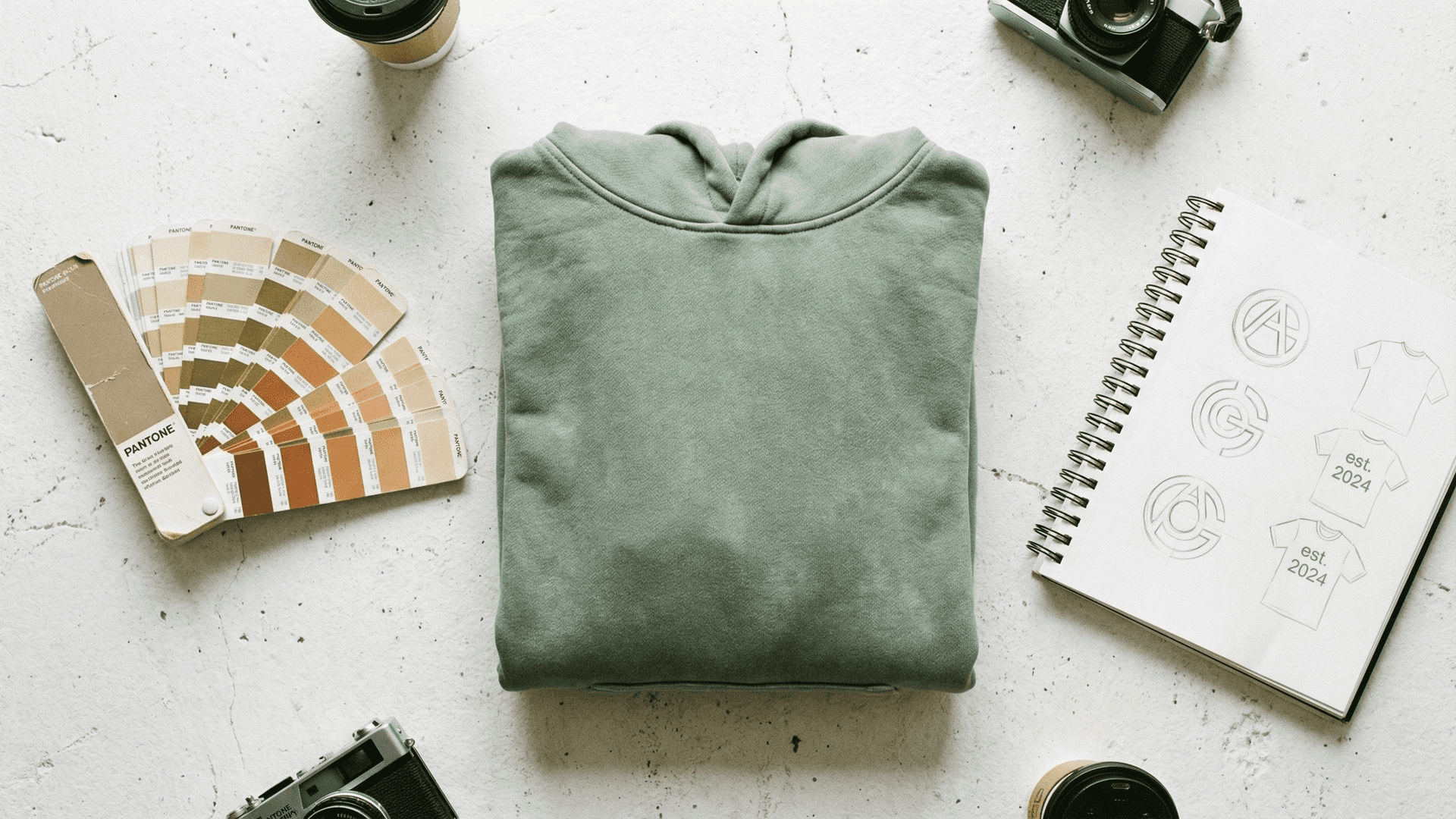
Once you have your niche, you need to build a vision board. This is a critical step that many beginners skip. A vision board is a visual representation of your brand’s aesthetic, tone, and voice. It is a collection of images, colors, textures, and words that define the world your brand lives in. This is not just a random assortment of cool pictures; it is a strategic document that will guide every creative decision you make, from your logo design to your product photography. Your vision board should be so clear that you could show it to a stranger and they would instantly understand the vibe of your brand.
Chapter 2: The AI Advantage, the Fiverr Trap, and the Alibaba Ceiling
Here is something that would have been unthinkable five years ago: you can now build a genuinely professional brand identity without hiring a single full-time designer. The barrier to entry in 2026 is not money. It is not connections. It is not even talent in the traditional sense. It is knowing how to use the tools.
AI platforms like Manus, Weavy, and a growing ecosystem of creative tools have fundamentally changed what a solo founder can produce. You can generate brand mood boards, write compelling product copy, build a Shopify store, create marketing assets, and even produce tech pack references, all without a design degree or a $10,000 agency retainer. The founders who understand this are operating with an unfair advantage. They are moving faster, spending less, and producing work that looks like it came from a team of ten. The founders who don't know these tools exist are still waiting on freelancers and burning cash on revisions.
The point is not to use AI as a crutch. The point is to use it as a weapon. When you deeply understand what these tools can do, you stop thinking like a person who needs to hire someone to execute every idea. You start thinking like a creative director who can prototype anything in an afternoon. That shift in mindset is worth more than any single hire you will ever make.
That said, knowing the tools does not mean every shortcut is a good one. And this is where a lot of founders still go wrong.
The temptation, once you have a logo and a vision board, is to run to Fiverr for a $15 graphic and Alibaba for a $5 hoodie. Fiverr is not inherently bad. There are genuinely talented designers on the platform. The problem is that most beginners do not know how to brief a designer, so they get back exactly what they paid for: a generic, uninspired graphic that looks like every other startup brand that launched this year. Your logo is not a task to be outsourced for the lowest possible bid. It is the foundation of your visual identity, and it deserves real creative investment, whether that means using AI tools to develop the concept yourself or paying a skilled designer to bring a well-developed brief to life.
The Alibaba problem is a different animal entirely. The allure is obvious: you can get hoodies made for $5, hats for $3, and tees for $2. The math looks incredible on paper. The reality is that you have no leverage, no relationship, and no recourse. You are a first-time buyer placing a small order, and the factory knows it. What you get is the bottom of their priority queue, the leftover fabric from someone else's run, and a quality level that reflects exactly how much they care about your business, which is very little. The samples look fine. The bulk production is where things fall apart. The color is off. The fit changed. The stitching is sloppy. And "Sunny," your contact who was so responsive before you wired the money, now takes three days to respond to a simple question.
There is an option that many beginners overlook entirely: your local screen printer. For a brand that is just getting started with blanks, a local print shop is often the smartest first move. You can walk in, touch the samples, have a real conversation about your vision, and build a relationship with a person who has a stake in doing good work for you. The turnaround is faster, the minimums are lower, and the quality control is something you can manage in person. It is not the most scalable solution, but it is a legitimate way to get your first few drops out the door with a level of quality you can actually be proud of.
The key distinction to understand at this stage is the difference between two fundamentally different production models. Working with a domestic screen printer on blanks is a fast, flexible, low-risk approach. You are decorating a finished garment. Working with an overseas cut-and-sew factory is a completely different operation. You are building a garment from scratch, specifying the fabric, the construction, the fit, the trims, and the finishing. It requires tech packs, samples, and a much longer development timeline. Both have their place, but they are not interchangeable, and trying to treat a cut-and-sew factory like a screen printer is one of the most common and costly mistakes a growing brand can make.
For now, the right move is to validate your idea before you invest in either path at scale. That is exactly what the next chapter is about.
Chapter 3: The Minimum Viable Product (MVP) Drop
Before you invest thousands in inventory, you need to prove that people will actually buy your stuff. This is where the MVP drop comes in. Your goal is not to make a profit; it is to gather data.
Here is the playbook:
Choose Your Blanks: Do not start with cut-and-sew. It is too complex and expensive. Start with high-quality blanks. Brands like AS Colour, Comfort Colors, or Independent Trading Co. offer premium-feeling garments that you can print on. Order samples. Feel them. Wear them. Wash them. Find a blank that you are genuinely proud to put your name on.
Create Mockups: Work with your AI toolkit to create realistic mockups of your designs on the blanks you have chosen. These mockups are your product photos for now. They need to look professional and desirable.
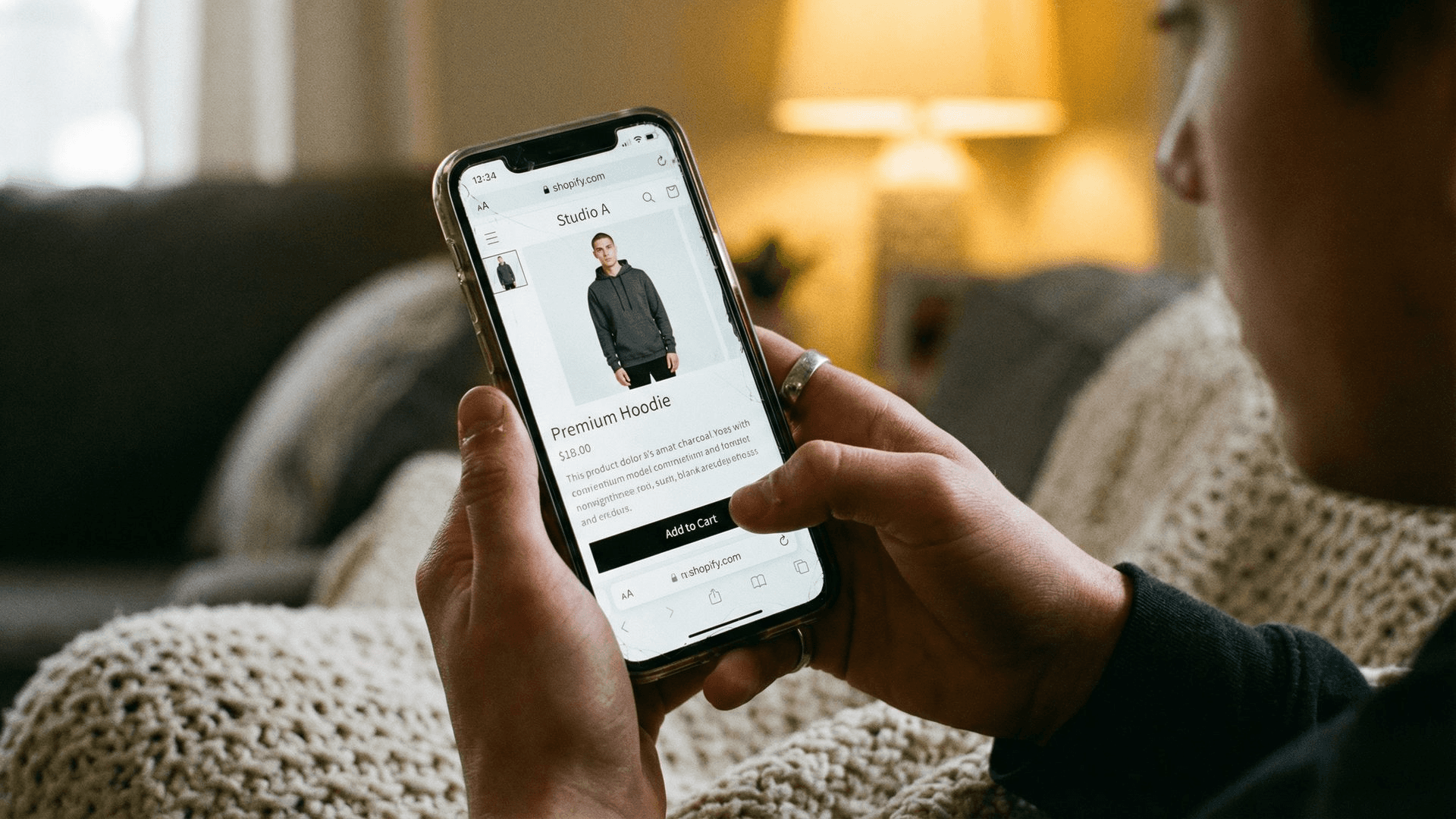
Build a Simple Shopify Store: Do not overthink this. Use a clean, simple theme. Your homepage should have a strong hero image and then display your products clearly. Write compelling product descriptions that speak the language of your niche. Set up your payment processing. Ensure the mobile experience is flawless, as this is where most of your customers will be.
Run Test Ads: This is the most critical step. You must test your niche and product with paid ads before investing in inventory. Create a few simple ads on Instagram or TikTok using your mockups. Target your ads hyper-specifically to your niche. Spend $200-$500 and watch the data. Are people clicking? Are they adding to cart? Are they buying? If you can acquire customers for a reasonable cost, you have a viable business. If not, it is back to the drawing board with new designs or a new niche. This small investment can save you from a five-figure mistake.
Part 2: The Growth Phase (From Hustler to Founder)
You have validated your idea. You have a small but passionate community. Now it is time to professionalize your operation and scale your brand. This is where you transition from a dreamer to a founder.
Chapter 4: Manufacturing: Blanks vs. Cut-and-Sew
The debate between using blanks and moving to cut-and-sew is a critical one. Blanks are fast, cheap, and low-risk. Cut-and-sew gives you complete creative control over the fit, fabric, color, and construction of your garments, but it is a massive operational leap.
The Case for Blanks: In the beginning, and even as you scale, high-quality blanks are your best friend. They allow you to be nimble, drop new designs quickly, and keep your minimum order quantities (MOQs) low. You can build a multi-million dollar brand on blanks alone if you have a strong brand and design identity.
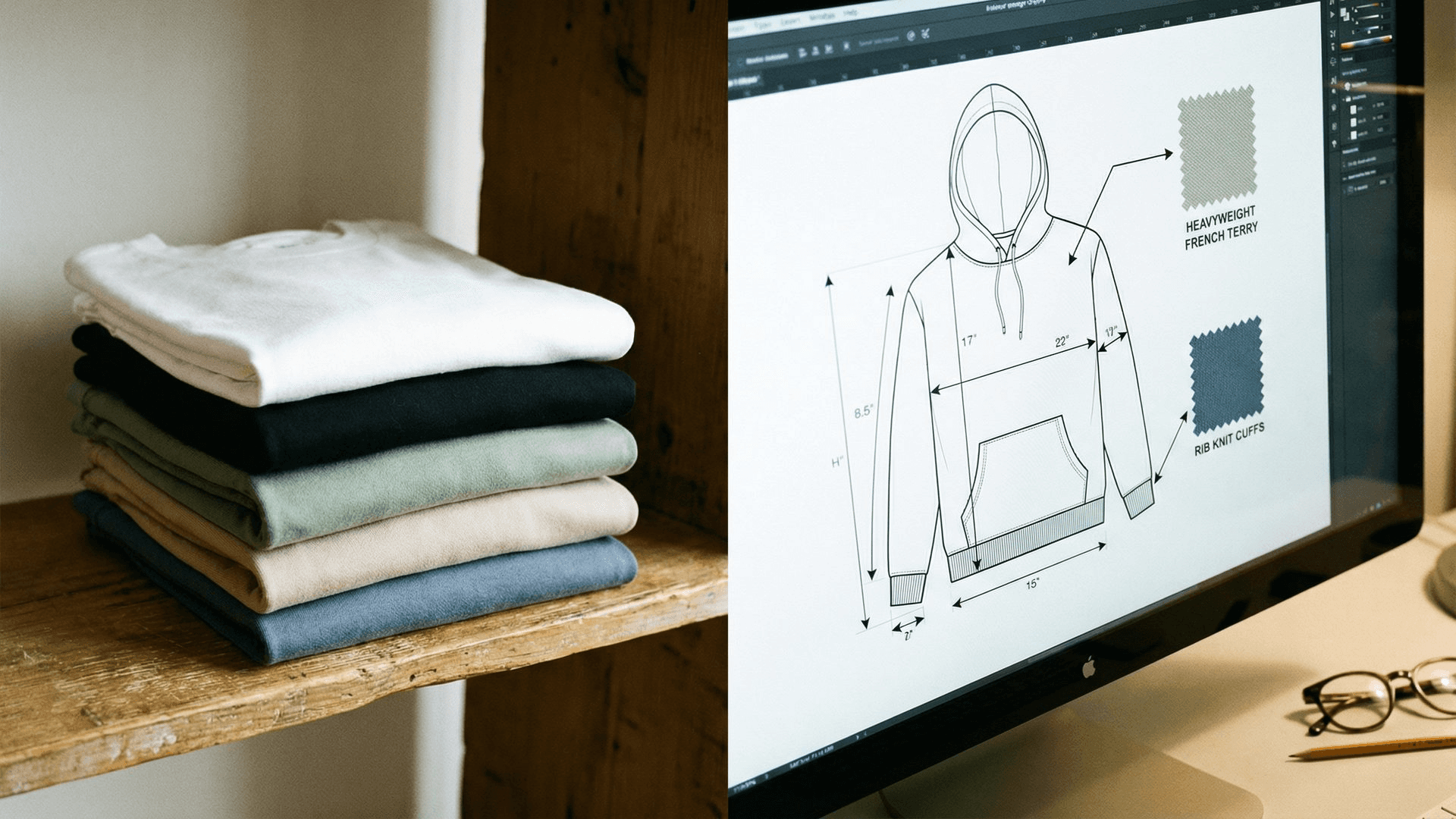
The Move to Cut-and-Sew: You should only consider cut-and-sew when you have a proven best-seller and you want to elevate it into a signature product for your brand. This is when you start thinking about custom-dyed fabrics, unique fits, and specific trims. This is also when you need a real manufacturing partner.
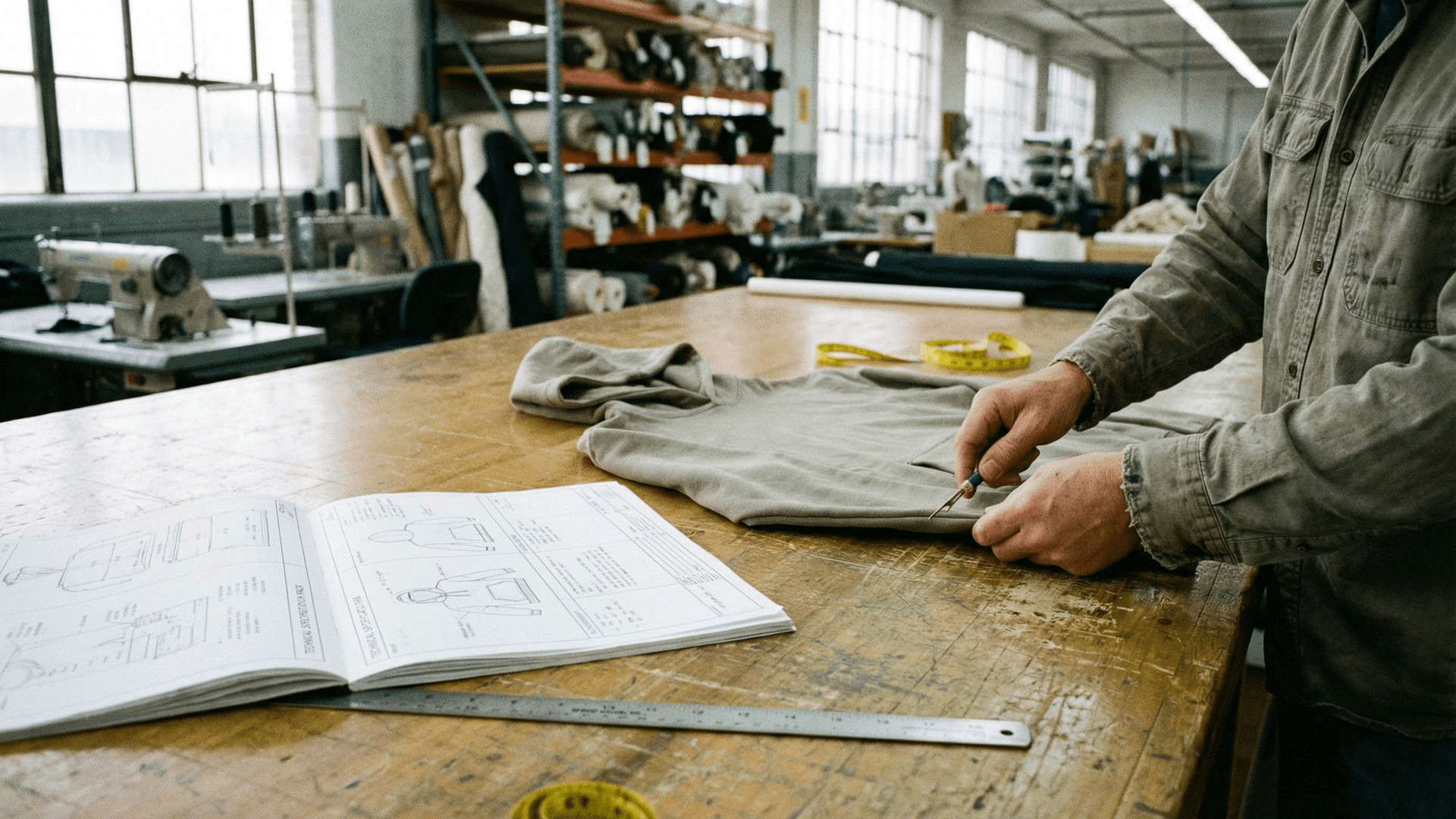
Finding a good manufacturer is the hardest part of the apparel business. Whether you are looking for a reliable screen printer for your blanks or a full-package cut-and-sew partner, the principles are the same. You need to find a partner who understands your vision, is committed to quality, and is transparent in their communication. This often means looking beyond the first page of Google. Ask for references. Order samples. Start with a small production run to test their quality and reliability. A good partner is worth their weight in gold; a bad one will sink your business. When you are ready to make this leap, you need to be prepared. This means having detailed tech packs for your designs, a clear understanding of the materials you want to use, and a realistic budget.
Chapter 5: Building Your E-commerce Machine
Your Shopify store is your digital flagship. As you grow, you need to optimize it for conversion. This does not mean adding a bunch of spammy countdown timers and pop-ups. It means creating a seamless, on-brand customer experience.
High-Quality Product Photography: Mockups are for the MVP phase. Now you need real product photos. Invest in a professional photoshoot that captures the vibe of your brand and the details of your products. Show your clothes on people who represent your target customer. Your content should tell a story and create an emotional connection.
Conversion Rate Optimization (CRO): Use tools like heatmaps to see how users are interacting with your site. Is your “add to cart” button easy to find? Is your checkout process frictionless? Small tweaks can lead to significant increases in your conversion rate. A/B test different product page layouts, descriptions, and calls to action.
Email & SMS Marketing: Your email and SMS list is your most valuable asset. It is a direct line to your most loyal customers. Use a tool like Klaviyo to build automated flows for abandoned carts, welcome series, and post-purchase follow-ups. Provide value in your emails; do not just constantly ask for the sale. Tease upcoming drops, share behind-the-scenes content, and make your subscribers feel like insiders.

Chapter 6: The Art of the Drop
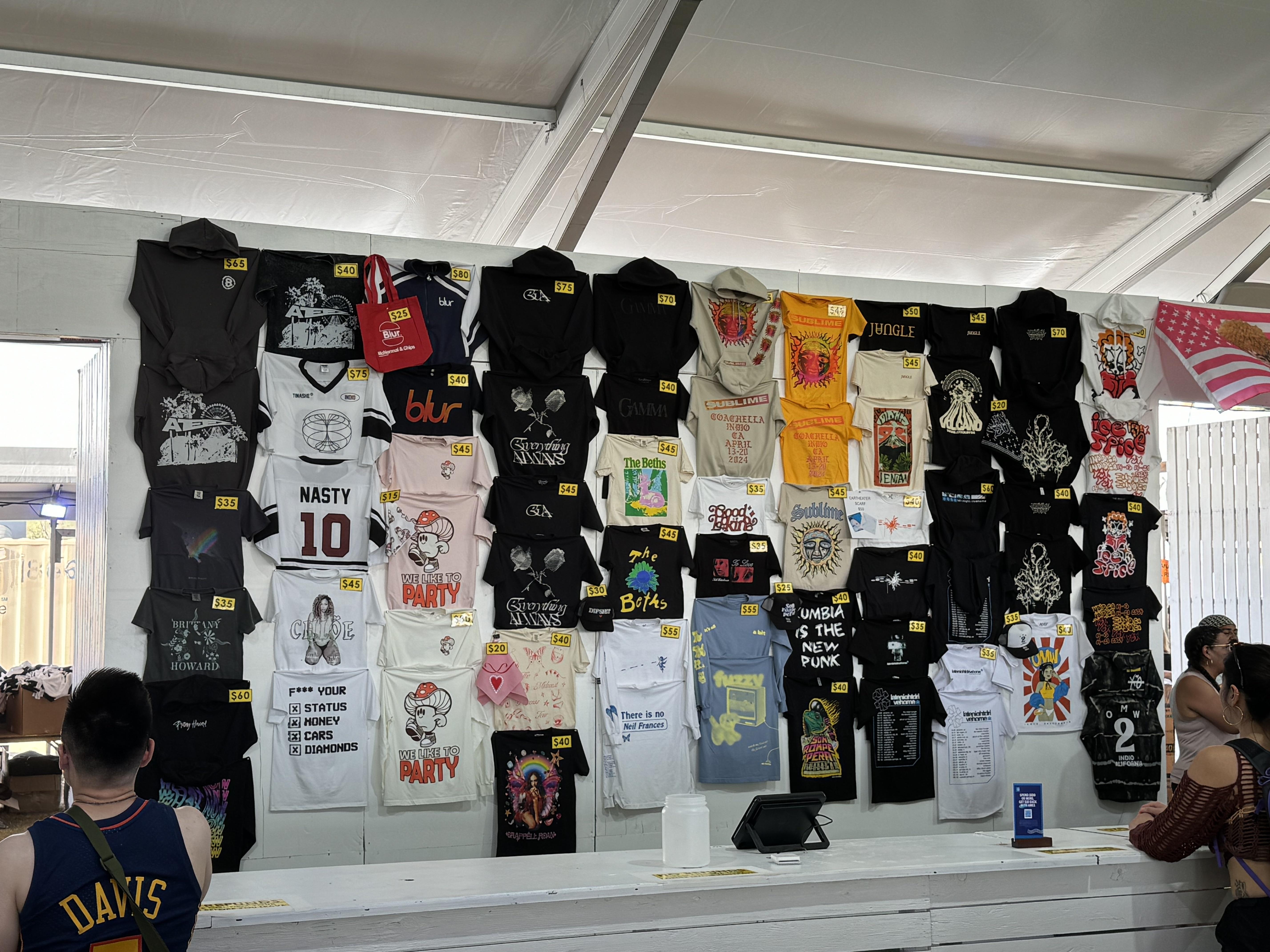
Modern brands are built on hype and scarcity. The “drop model,” pioneered by streetwear brands, is a powerful way to generate massive demand and sell out products in minutes. Successful founders have used this model to generate tens of thousands of dollars in revenue in a single day.
The formula is simple but effective: emotional connection, scarcity, and community.
Build the Hype: Tease the new collection for weeks leading up to the drop. Show behind-the-scenes glimpses of the design process. Post photos of influencers or community members wearing the new pieces. Build anticipation to a fever pitch.
Create Scarcity: Emphasize that the collection is limited edition and will not be restocked. This creates a powerful sense of urgency.
Activate Your Community: Give your email/SMS list early access to the drop. This rewards your most loyal fans and makes them feel like VIPs. On launch day, use every channel at your disposal—Instagram stories, TikTok videos, email blasts—to drive traffic to the site.
The drop model turns a simple product release into a cultural event. It is a powerful engine for growth, but it requires careful planning and execution. You also need to be prepared for the operational challenges of a successful drop. This means having your inventory in hand, your fulfillment process dialed in, and your customer service team ready to handle a surge in inquiries. A botched drop can do more damage to your brand than a failed one.
Chapter 7: Building a Community, Not Just a Customer List
In 2026, the most valuable asset a brand can have is a thriving community. A customer list is a group of people who have bought from you. A community is a group of people who believe in what you believe in. They are your evangelists, your focus group, and your most loyal customers. Building a community is not about a single tactic; it is a long-term commitment to providing value beyond your products.
• Choose Your Platform: Where does your niche hang out online? Is it a Discord server, a private Facebook group, a subreddit, or a specific hashtag on TikTok? Go there and start providing value. Answer questions, share your expertise, and participate in the conversation without constantly shilling your products.
• Create Exclusive Content: Give your community members a reason to be there. This could be early access to drops, exclusive behind-the-scenes content, or a private podcast where you share your journey. Make them feel like insiders.
• Foster Connection: Encourage your community members to connect with each other. Host virtual or in-person events. Create a space where they can share their own content and stories related to the niche. The stronger the bonds between your community members, the stronger their bond with your brand.
Building a community is a slow burn, but it is the most defensible moat you can build around your business. A strong community will carry you through the ups and downs of the market and will be the foundation of your long-term success.
Part 3: The Scale-Up (From Founder to CEO)
You have a profitable business. You have a loyal community. Now it is time to think bigger. This is the phase where you build the systems and infrastructure to support a truly scalable brand.
Chapter 8: Mastering the Supply Chain
As your order volume grows, your relationship with your supply chain becomes the single most important factor in your success. This is where you graduate from simply placing orders to actively managing your production.
• Diversify Your Suppliers: Relying on a single factory is a huge risk. What happens if they shut down for a holiday, or their quality starts to slip? As you scale, you need to have at least two manufacturing partners: a primary factory for your main production runs, and a secondary factory that can handle smaller runs or act as a backup.
• Negotiate Terms: As you become a bigger fish in their pond, you gain leverage. Negotiate for better pricing, lower MOQs, and faster turnaround times. Build a real relationship with your factory owner and your sales rep. Visit them in person if you can. The stronger your relationship, the more they will be willing to go the extra mile for you.
• Quality Control (QC): Never assume your production run will be perfect. You need a QC process in place to catch errors before they reach your customers. This can involve hiring a third-party inspection service to check the goods at the factory, or having a rigorous QC process at your own warehouse.
This is the unglamorous, operational side of the business, but it is where brands are made or broken. Understanding the manufacturing process firsthand is a game-changer. You need to understand the entire process, from sourcing raw materials to cutting and sewing to finishing and packing. This knowledge will make you a better partner to your factories and will give you the ability to troubleshoot problems when they inevitably arise.

Chapter 9: Fulfillment & The Hidden Costs
When you are starting out, packing orders in your garage is a rite of passage. But as you scale, fulfillment becomes a major operational challenge. You have two options: keep it in-house or outsource to a third-party logistics (3PL) company.
While 3PLs seem like a simple solution, they can be a nightmare of hidden fees, poor quality control, and a complete loss of control over your inventory. From receiving fees to pick-and-pack fees to storage fees, you can get bled dry by a 3PL.
The better path for most growing brands is to build your own fulfillment operation. This means leasing a small warehouse space, hiring hourly employees to pack orders, and negotiating your own shipping rates with carriers like FedEx and UPS. It is more work, but it gives you complete control over your customer experience and your costs. Every dollar you save on shipping is a dollar you can reinvest in marketing or product development.
As you grow, you will also need to invest in a robust customer service operation. This means having a dedicated email address for customer inquiries, a clear and fair return policy, and a system for tracking and resolving customer issues. A great customer service experience can turn a one-time buyer into a lifelong fan. A bad one can destroy your brand’s reputation. You can hire a virtual assistant to handle the day-to-day customer service tasks, but you should always be personally involved in resolving major issues.

Chapter 10: Building the Team & The Snowball Effect
You cannot do it all yourself forever. As you scale, you need to build a lean, effective team. This does not mean hiring a huge corporate staff. It means finding talented people, often virtual assistants or freelancers, to handle specific functions: customer service, social media management, graphic design, and accounting. This frees you up to focus on the high-level strategic work: product development, marketing strategy, and brand building.
This is the final stage of the journey: the snowball effect. With a strong brand, a loyal community, a dialed-in supply chain, and an efficient team, your growth starts to compound. Your repeat customer rate climbs. Your word-of-mouth marketing explodes. Your ad spend becomes more and more efficient. You are no longer just a clothing brand; you are a cultural phenomenon in your niche.
This is the long game. It is a journey of a thousand small, unglamorous steps. It is about obsessing over the details, learning from your mistakes, and relentlessly iterating. But if you follow the playbook, if you focus on building a real brand and a real business, you can turn that late-night dream into a lasting legacy.
Finally, you need to have a solid legal and accounting foundation in place. This means registering your business as an LLC or a corporation, getting your trademarks in order, and having a good accountant who can help you manage your finances and plan for taxes. These are not the sexiest parts of building a brand, but they are absolutely essential for long-term success.

Chapter 11: Paid Advertising: The Advanced Playbook
In the beginning, a few hundred dollars in test ads is all you need. But as you scale, paid advertising becomes a powerful engine for growth. This is where you move from simple tests to a sophisticated, data-driven strategy.
Facebook & Instagram Ads: This is still the bread and butter for most e-commerce brands. As you scale, you will move from simple interest-based targeting to more advanced strategies like lookalike audiences and retargeting campaigns. You should have separate campaigns for prospecting (finding new customers), retargeting (bringing back people who have visited your site), and retention (re-engaging past customers). Your ad creative needs to be constantly refreshed to avoid ad fatigue. Test different formats, from static images to user-generated content to polished video ads.
TikTok Ads: TikTok is a different beast. The ads need to feel native to the platform, which means they should be entertaining, authentic, and often humorous. The most effective TikTok ads do not feel like ads at all. They feel like organic content. This is a great platform for top-of-funnel brand awareness and for driving viral trends.
Google & YouTube Ads: Do not sleep on Google Ads. While they are not as sexy as social media ads, they can be incredibly effective for capturing high-intent customers. People who are searching for “waterproof running jacket” or “merino wool base layer” are ready to buy. You should be running ads for your core keywords. YouTube is also a powerful platform for brand storytelling. You can run longer-form video ads that tell the story of your brand and connect with your audience on a deeper level.
The key to success with paid advertising is to be data-driven. You need to be constantly testing and iterating. Track your key metrics, from click-through rate to cost per acquisition to return on ad spend. A good paid ad strategy is not a “set it and forget it” affair. It is a constant process of optimization.
Chapter 12: The Financials: Understanding Your Numbers
Many creative founders shy away from the numbers, but this is a fatal mistake. You do not need to be a CPA, but you do need to understand the key financial metrics that drive your business.
Pricing & Profit Margins: Your pricing strategy is one of the most important decisions you will make. You need to price your products high enough to cover your costs and make a healthy profit, but not so high that you price yourself out of the market. A good rule of thumb is to aim for a 3-4x markup on your cost of goods sold (COGS). So, if a hoodie costs you $20 to produce, you should be selling it for $60-$80. This gives you enough margin to cover your marketing costs, operating expenses, and still have a healthy profit left over.
Cash Flow Management: Cash flow is the lifeblood of your business. You can be profitable on paper but still go out of business if you run out of cash. You need to have a clear understanding of your cash flow cycle. How long does it take you to get paid after you make a sale? How long do you have to pay your suppliers? You need to manage your cash flow carefully to ensure you always have enough cash on hand to cover your expenses.
Key Performance Indicators (KPIs): You need to track a few key KPIs to monitor the health of your business. These include:
Customer Acquisition Cost (CAC): How much does it cost you to acquire a new customer?
Customer Lifetime Value (LTV): How much is a customer worth to your business over their lifetime?
Return on Ad Spend (ROAS): For every dollar you spend on advertising, how much revenue do you generate?
Understanding these numbers will help you make smarter decisions about where to invest your time and money.
Conclusion: The Marathon, Not the Sprint
Building a clothing brand is not a get-rich-quick scheme. It is a marathon, not a sprint. It is a long, hard, and often lonely journey. But if you are passionate about your niche, if you are committed to quality, and if you are willing to put in the work, you can build something truly special. The playbooks of successful founders show that it is possible. They have laid out the roadmap. Now it is up to you to walk the path.
This guide has given you the complete playbook, from the initial spark of an idea to the operational reality of a seven-figure brand. We have covered the importance of finding your niche, the traps of cheap manufacturing, the power of the drop model, the necessity of community building, and the nitty-gritty of supply chain, fulfillment, and finance. The journey is not easy, but it is possible. The tools and strategies outlined in this guide, combined with your own unique vision and relentless execution, are the ingredients for success. Now, go build.
Frequently Asked Questions (FAQ)
1. How much money do I really need to start a clothing brand?
You can get started with as little as $500 - $1,000. This covers your initial samples, a simple Shopify store, and a small budget for test ads. The key is to spend smart. Don't invest thousands in inventory until you have proven demand. Your first dollar should be spent on validating your idea, not on a big production run.
2. Do I need to be a designer to start a brand?
No. You need to have a strong vision and taste. You can hire a talented freelance designer or a virtual assistant to execute your creative ideas. Your job as the founder is to be the creative director, not necessarily the person drawing the designs in Illustrator. Focus on building a clear vision board and communicating that vision effectively to your creative partners.
3. How many products should I launch with?
Less is more. Launch with 1-3 core products. This could be one hoodie in two colors, or a t-shirt and a hat. A small, focused collection is easier to market and manage. It also allows you to test the waters without a huge financial risk. Once you have a winning product, you can expand your collection from there.
4. What is the single biggest mistake new brand owners make?
Falling in love with their product idea before they have validated it with real customers. They spend months and thousands of dollars on a big inventory run, only to find out that nobody wants to buy it. Start with a small test. Use paid ads to see if people will actually pull out their credit cards. Data is more valuable than your opinion.
5. Should I trademark my brand name right away?
It's a good idea to do a basic search to see if the name is available. However, you don't need to spend thousands on a legal trademark in the very beginning. Focus on getting your first sales. Once you have a profitable business and a brand with real momentum, then you should absolutely invest in protecting your intellectual property by officially trademarking your name and logo.
6. Blanks or cut-and-sew? What's the right call?
Always start with blanks. The quality of premium blanks from companies like AS Colour is excellent, and it allows you to start with low minimums and test ideas quickly. Only move to cut-and-sew when you have a best-selling product that you want to elevate into a signature piece for your brand. Cut-and-sew is a major operational step up, so don't rush into it.