The Festival Merch Creative Problem: Why Your Program Needs a Partner With a Point of View
The Festival Merch Creative Problem: Why Your Program Needs a Partner With a Point of View
3 MINUTES
March 9, 2026
The single biggest constraint on the growth of your merchandise program is not your brand, your audience, or your price point. It is the creative capacity of your internal team and the production capability of your supply chain. You are running a multi-million dollar retail operation that is a critical part of your brand and your business. You know what great looks like. You see what is happening in streetwear, in fashion, and in the most forward-thinking artist programs. The problem is not a lack of vision. The problem is a lack of bandwidth and a lack of partners who can execute that vision at scale.
Your team is lean, and they are experts in logistics, retail operations, and vendor management. They are not, and should not be, full-time apparel designers, trend forecasters, and production specialists. You are relying on a network of vendors who are built for a different era: a world of generic blanks, screen-printed logos, and promotional products. They execute what you ask for. They do not, and cannot, bring you a point of view. They cannot tell you what is happening in the broader culture, what garment dyeing techniques are creating the most interesting textures, or how to build a custom hockey jersey that feels like a genuine collector's item. This is the creative gap that is holding your program back.
This article is about how to close that gap. It is about how to find a partner who does not just execute your ideas, but brings you new ones. A partner who acts as the dedicated creative director for your merchandise program, taking the creative lift off your internal team and building a collection that is worthy of your brand.
The Real Job of a Festival Merch Partner
For decades, the job of a festival merch vendor was simple: print a logo on a t-shirt and deliver it on time. The festival provided the brand, the audience, and the sales channel. The vendor provided the blank garments and the ink. It was a transactional relationship, and for a long time, it was good enough. That era is over.
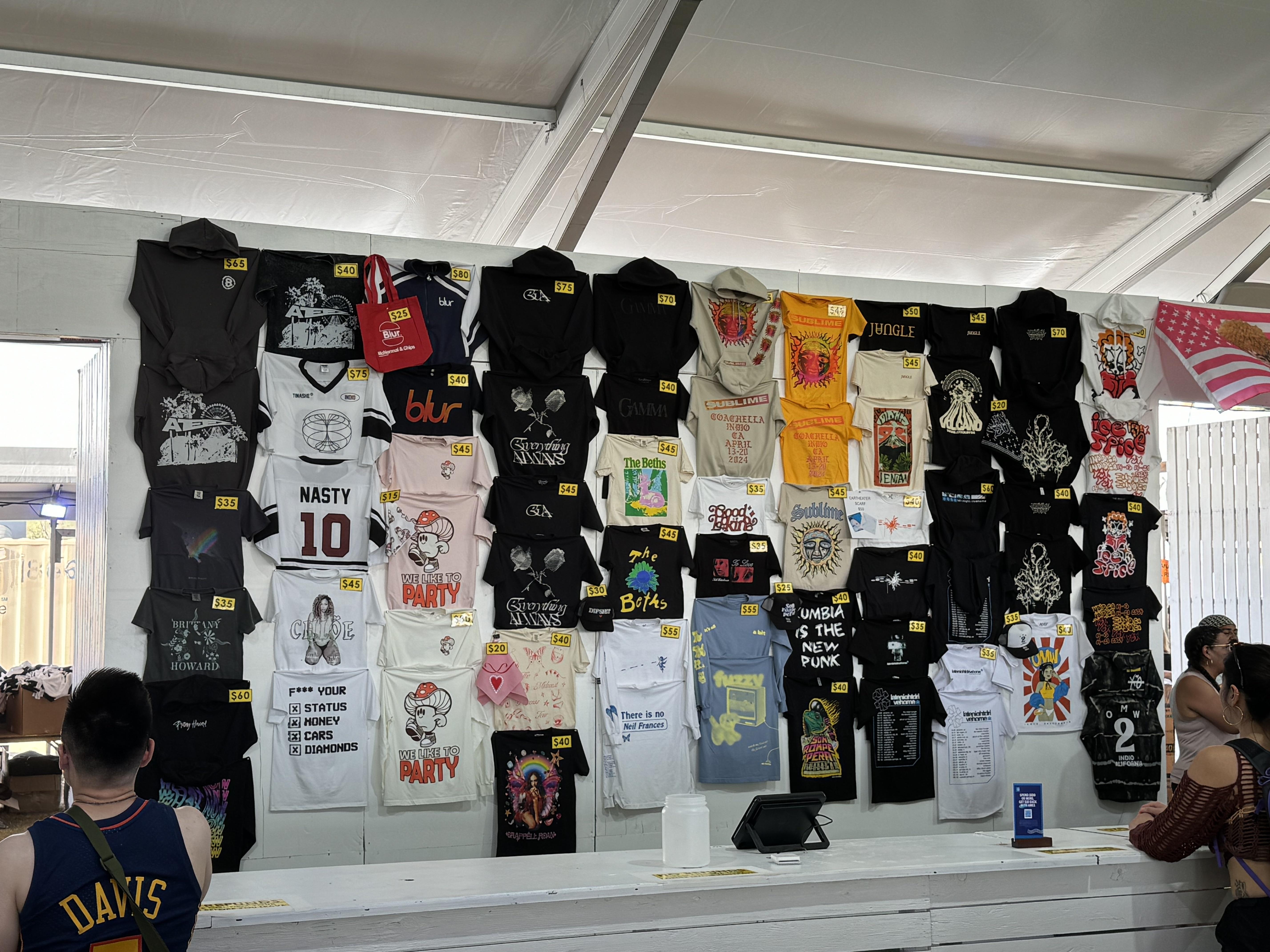
Today, the best festival merchandise programs are not just retail operations. They are brand statements. They are a physical manifestation of the festival's identity, a way for fans to signal their belonging to a community, and a critical driver of year-round revenue. The product has to be as creative, as intentional, and as high-quality as the festival itself. This requires a completely different kind of partner.
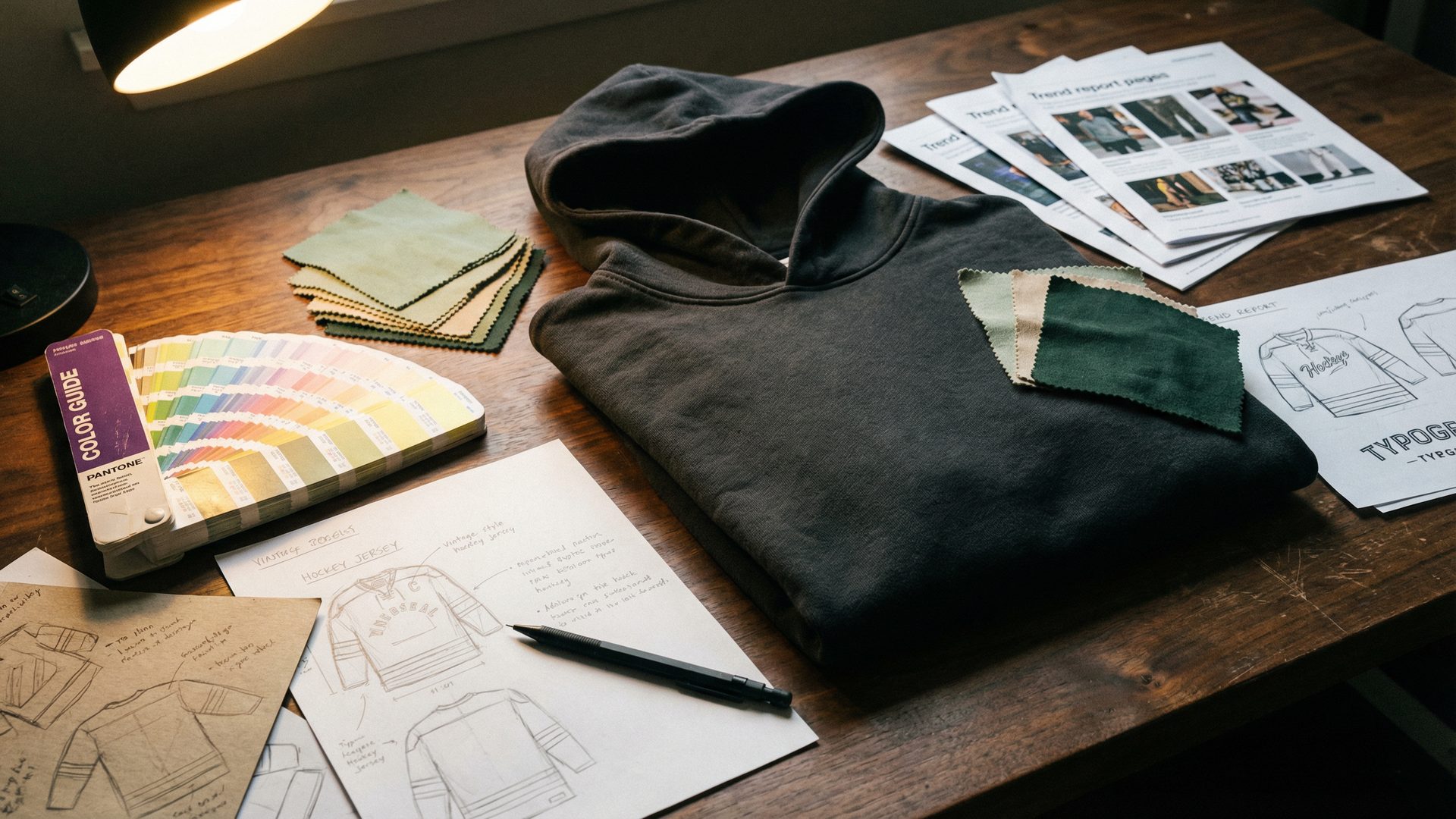
The real job of a modern festival merch partner is not to be an order-taker. It is to be a creative engine. It is to provide the trend intelligence, the design expertise, and the production innovation that your internal team does not have the bandwidth to develop on its own. A true partner should be showing up to your first meeting of the season with a full trend presentation, a point of view on what is happening in the market, and a set of initial concepts for your collection. They should be bringing you ideas you did not know you needed.
This is the difference between a vendor and a partner. A vendor asks you what you want to make. A partner shows you what is possible.
The On-Staff Creative Advantage
The single biggest differentiator between a traditional merch company and a modern, full-package partner is the presence of an on-staff creative team. This is not a single graphic designer who can put your logo on a template. This is a full-stack creative department: trend forecasters, apparel designers, graphic artists, and production specialists who live and breathe fashion, streetwear, and youth culture.
This is the team that is constantly analyzing trend reports from the biggest brands and retailers in the world, attending trade shows, and dissecting what is happening on the ground at fashion weeks and cultural events. They are the ones who can tell you that the next big thing in fleece is a specific 450 GSM garment-dyed heavyweight fabric, that the most interesting embellishment technique is a combination of puff print and tonal embroidery, or that the silhouette for hockey jerseys is shifting to a more fashion-forward, oversized fit. This is not information you can get from a promotional products catalog.
When your merch partner has this team in-house, it fundamentally changes the dynamic. You are no longer responsible for coming up with all the ideas. You are now the editor, the curator, and the strategic director of a creative process that is being driven by a team of dedicated experts. Your job shifts from trying to be a designer to guiding a design team. This frees up your internal team to focus on what they do best: managing the business, the logistics, and the retail execution.
This is the on-staff creative advantage. It is the difference between a program that is always reacting and a program that is always ahead of the curve.
A Supply Chain Built for Fashion, Not for Promos
Creative ideas are worthless without a supply chain that can execute them. The reason most festival merchandise looks the same is because it is all being produced by the same network of factories: the promotional products supply chain. This is a network that is optimized for one thing: producing massive volumes of generic goods at the lowest possible cost. It is not built for quality, for creativity, or for complex, fashion-forward production.
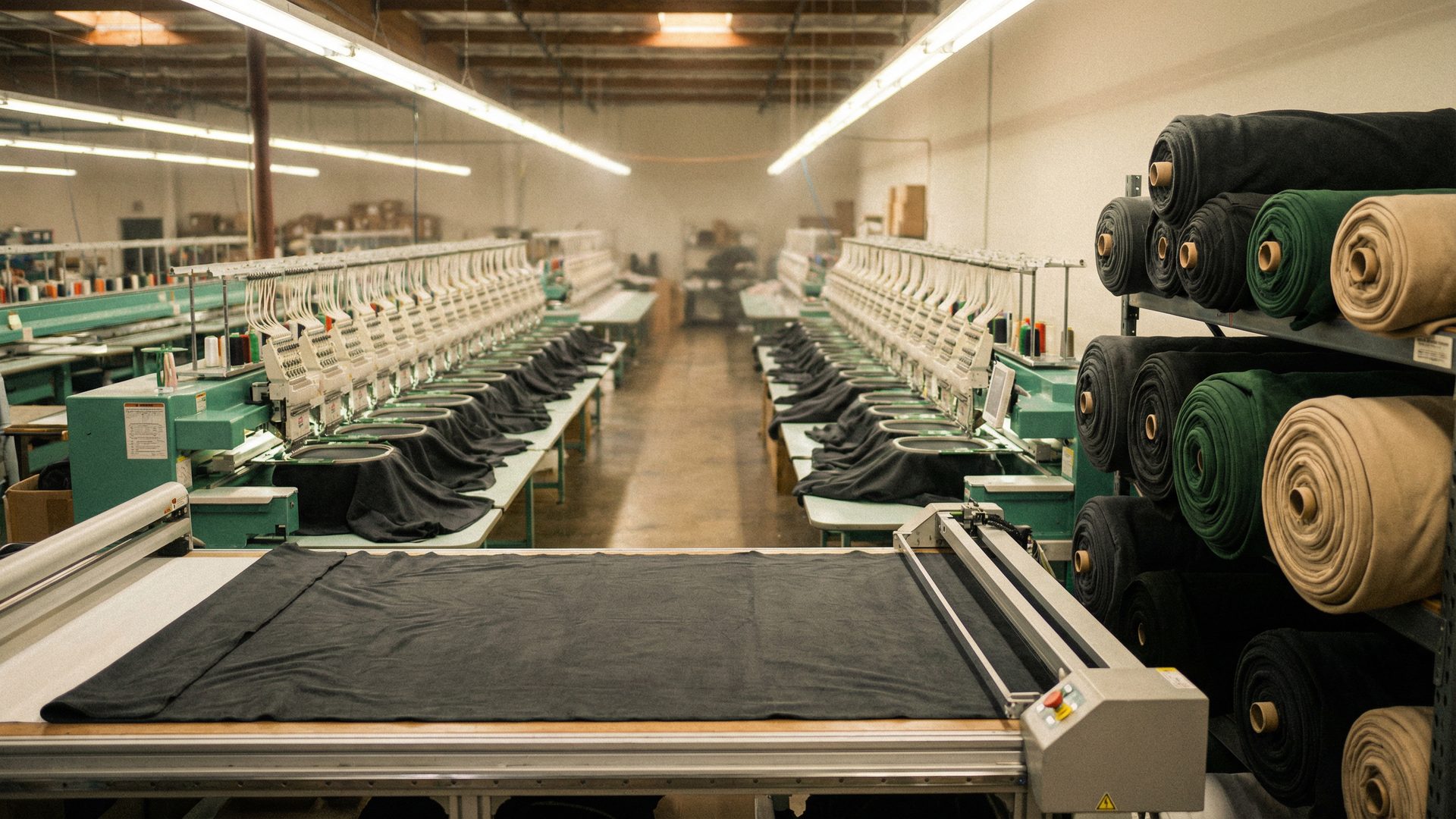
A partner with a fashion-forward supply chain operates on a completely different model. Their factory network is not a list of low-cost screen printers. It is a curated group of specialized facilities that are the best in the world at what they do. They have a factory that specializes in heavyweight fleece and garment dyeing. They have a factory that is an expert in complex, multi-technique embroidery. They have a factory that can produce a custom, fully-sublimated hockey jersey with layered twill lettering to the same standard as an official NHL jersey.
This is a supply chain that is built for quality and creativity, not just for scale. It is a network that can handle the most complex and innovative production techniques, because it is the same network that is producing for the best contemporary fashion and streetwear brands in the world. When your partner has this supply chain, it unlocks a completely new level of product. You are no longer limited to what your vendor's screen printer can do. You are only limited by your own creativity.
The Hockey Jersey: The Hero Product of the Modern Festival Program
No product better illustrates the difference between a promotional products vendor and a fashion-forward partner than the custom hockey jersey. The hockey jersey has become the defining hero product of the most sophisticated festival merchandise programs in the world, and for good reason. It is a high-perceived-value, high-margin product that fans will wear long after the festival is over. It is a genuine collector's item. And it is a product that a standard screen printer simply cannot produce.
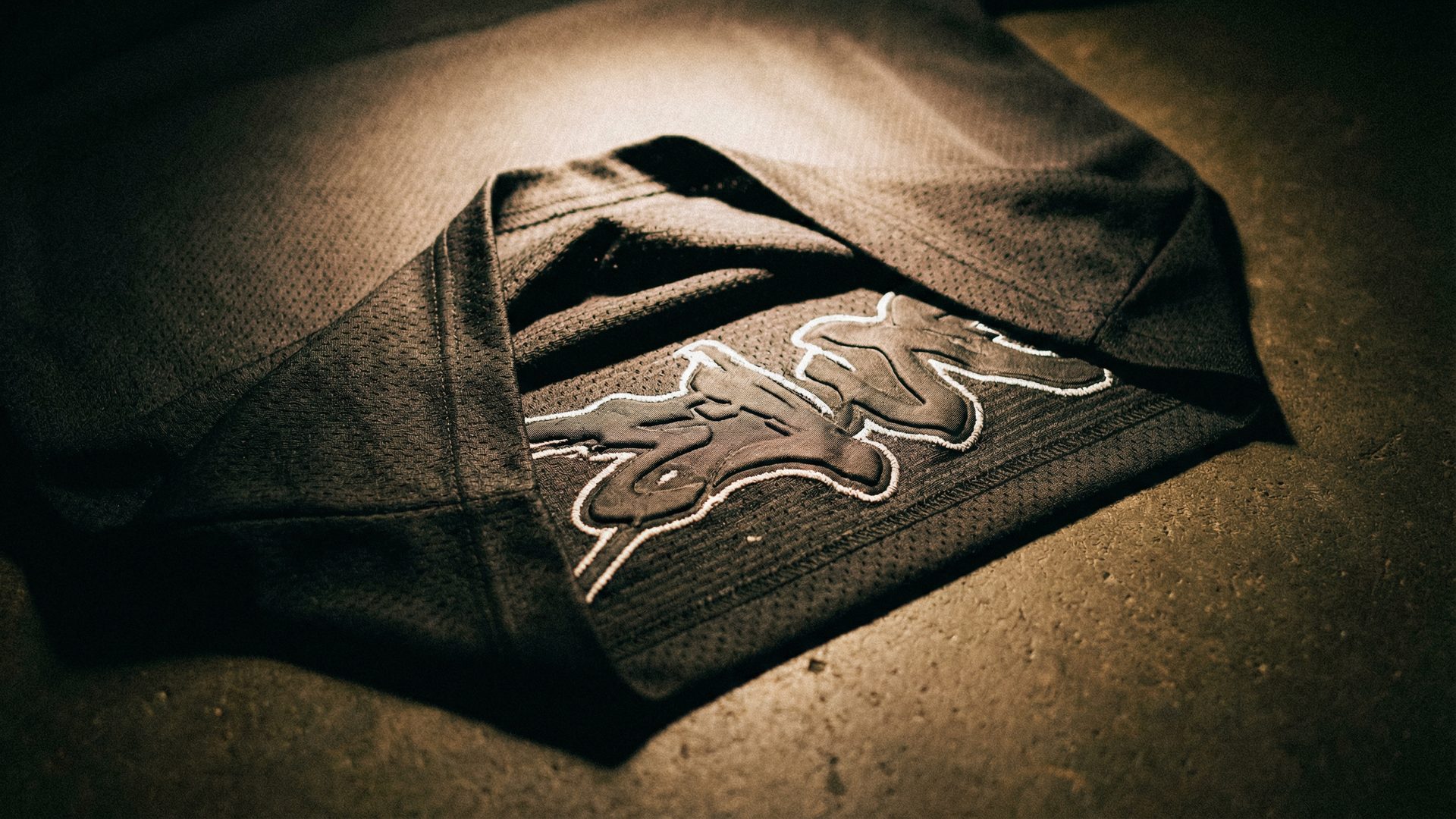
A great custom hockey jersey requires a factory that specializes in the specific construction techniques involved: full sublimation printing for the base fabric, layered twill lettering that is cut and sewn onto the jersey, high-density embroidery for the logo and numbering, and custom finishing details like woven jock tags, custom zipper pulls, and interior taping. Each of these steps requires a different specialist, and coordinating them into a single, cohesive product requires a partner who has built those relationships and managed that process many times before.
The result, when done correctly, is a product that retails for $150-$250 and sells out consistently. It is the kind of product that fans post on social media, that creates organic brand ambassadors, and that builds the kind of cultural cachet that no amount of advertising can buy. This is what is possible when your partner is built for fashion, not for promos.
The Year-Round Revenue Engine
The most underutilized asset in most festival merchandise programs is the ecommerce store. For the majority of festivals, the online store is an afterthought: a place to sell leftover inventory from the event, updated once a year with a new collection, and generating a fraction of the revenue it could. This is a significant missed opportunity.

The best festival merchandise programs treat the ecommerce store as a year-round revenue engine, not a seasonal clearance channel. They run a structured drop calendar that keeps the audience engaged and the brand top-of-mind throughout the year. They use limited drops to create urgency and scarcity. They use vault releases to generate revenue from past collections. And they use the ecommerce channel to test new products and build anticipation for the festival itself.
This requires a partner who understands not just production, but the full commercial lifecycle of a merchandise program. A partner who can help you build a drop calendar, develop the creative for each release, and manage the production and fulfillment in a way that supports a year-round revenue strategy. This is the kind of partnership that transforms a merchandise program from a festival revenue line into a standalone business.
The HH Partnership: Your On-Staff Creative Department
This is the model that Hunter Harms was built on. We are not a traditional merch company. We are a creative and production partner for the best brands in the world. Our job is to act as the dedicated, on-staff creative department for your merchandise program, taking the entire creative lift off your internal team and delivering a collection that is worthy of your brand.
Our process begins with a deep dive into your brand, your audience, and your goals. Our creative team, which has designed for major streetwear labels and the biggest artists in the world, develops a full seasonal trend presentation and a set of initial collection concepts. We present you with a point of view, not a blank page. We receive trend decks directly from top brands and major retailers, which means we always have a finger on the pulse of what is coming, not just what is already here.
From there, we work with your team to refine the concepts, develop the designs, and manage the entire production process, from fabric sourcing and sample development to final quality control and delivery. Our supply chain is a curated network of the best factories in the world, each one a specialist in its craft. We can execute the most complex garment dyeing, embellishment, and cut-and-sew techniques at a scale that no traditional merch company can match.
If you are ready to stop managing vendors and start building a world-class merchandise program, we should talk.
Frequently Asked Questions
What is the difference between a merch vendor and a full-package creative partner?
A vendor executes what you ask for. A full-package creative partner brings you ideas, manages the creative process, and handles production from concept to delivery. The key distinction is whether your partner is showing up with a point of view or waiting for instructions.
How does a fashion-forward supply chain differ from a promotional products supply chain?
A promotional products supply chain is optimized for cost and volume, using generalist factories that produce generic goods. A fashion-forward supply chain is a curated network of specialist factories, each one an expert in specific fabrics, construction techniques, and embellishment methods. The former executes simple orders at scale; the latter creates complex, high-quality product that a standard screen printer cannot produce.
Why is the custom hockey jersey becoming the hero product for major festivals?
The hockey jersey combines high perceived value, strong margins, and genuine collectability in a way that no other garment does. It requires specialized production techniques, which means it cannot be replicated by a generic vendor. When produced correctly, it retails at a premium price point and generates significant organic social media coverage, making it one of the most efficient brand-building products available.
How should a festival approach its ecommerce strategy between event cycles?
The most effective approach is a structured drop calendar that keeps the audience engaged year-round. This includes limited drops tied to cultural moments, vault releases of past collections, and exclusive online-only products that create urgency and scarcity. The ecommerce store should be treated as a standalone revenue channel, not a clearance mechanism for leftover event inventory.
What should a festival look for when evaluating a new merch partner?
The most important criteria are creative capability, supply chain quality, and production expertise. A great partner should be able to demonstrate a track record of producing complex, fashion-forward product for comparable programs. They should have an on-staff creative team that can bring genuine trend intelligence to the relationship. And they should have a supply chain that is built for quality and creativity, not just for volume and cost.
How does trend intelligence from major brands and retailers benefit a festival's merch program?
Access to trend decks from top brands and retailers means your partner knows what is coming before it arrives. This allows your program to be ahead of the curve rather than reacting to trends that are already mainstream. It is the difference between being the first festival to introduce a new product category and being the last.