The Tech Startup Merch Playbook: Why Premium Team Gear Is the New Recruiting Signal
The Tech Startup Merch Playbook: Why Premium Team Gear Is the New Recruiting Signal
3 MINUTES
May 13, 2026
As the leader of a high-growth tech company, you are in a street fight for a handful of the world's most valuable minds. The war for elite AI and engineering talent has become a brutal, zero-sum game where multi-million dollar compensation packages are now just table stakes. When every company offers life-changing equity, the best candidates look for subtler cues. They search for the signals that reveal a company's true culture, its ambition, and its commitment to excellence. This is the playbook for sending the right signal.
Most founders and People Ops leaders unknowingly send the wrong one. They delegate the critical touchpoint of team merchandise to the generic promotional products industry, a world of flimsy t-shirts, ill-fitting hoodies, and cheap plastic water bottles. This is a strategic error. In a market where every detail is scrutinized, your team gear is not a frivolous perk. It is a tangible artifact of your culture, and this guide will show you how to weaponize it.
The Generic Promo Products Industry Trap
When the task of "ordering swag" lands on your desk, the first thing you do is search for "custom company hoodies" and click on one of the top five results. This is the trap. You have just entered the world of the generic promotional products industry, a volume-driven business that is fundamentally misaligned with the goals of a high-performance tech company.
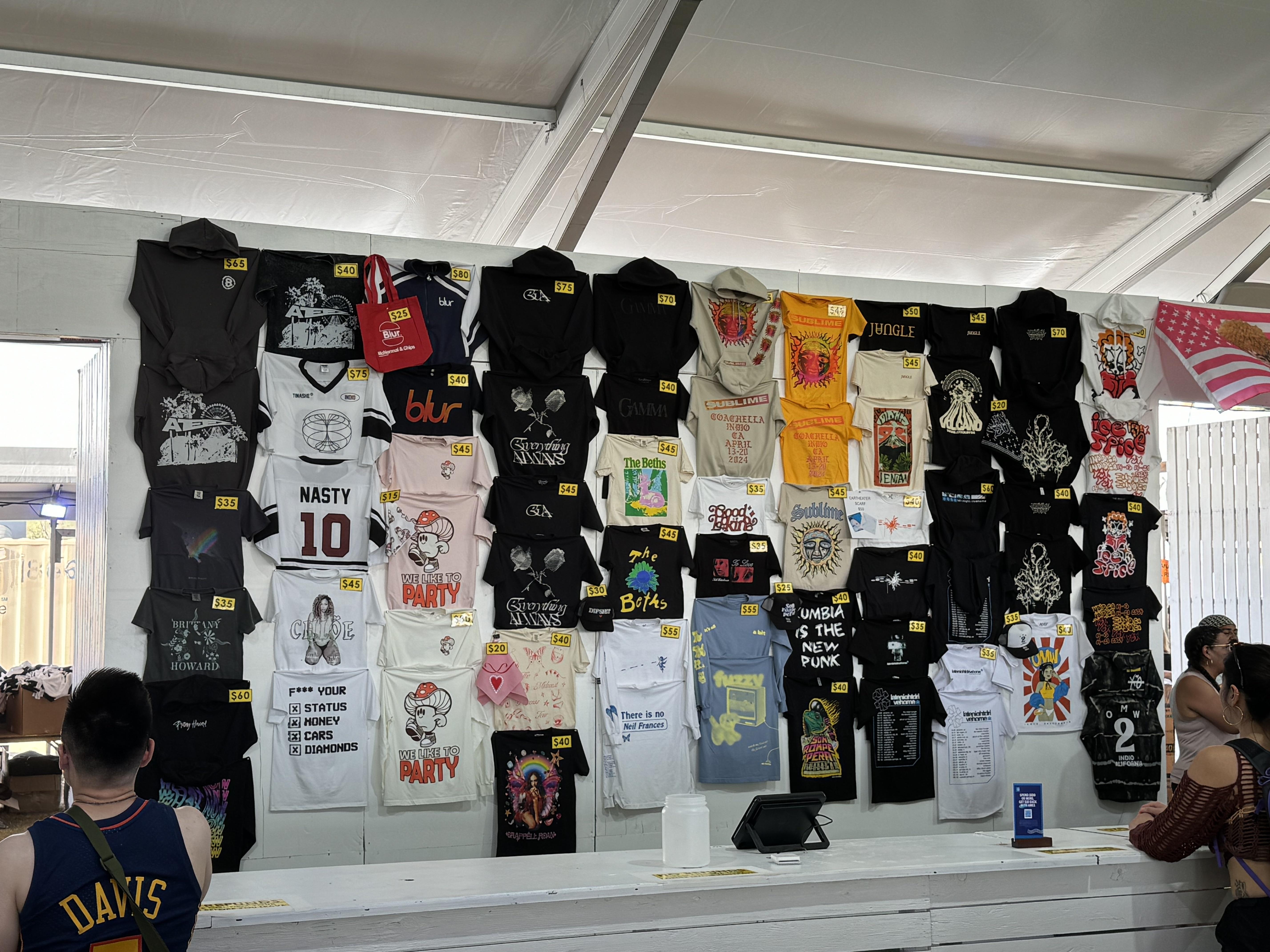
These vendors are built to serve large corporations ordering 10,000 units for a trade show, not elite teams that require retail-quality garments. Their business model is based on selling you the cheapest possible blank from a massive catalog and up-charging for a low-quality screen print of your logo. The result is almost always the same. You receive a box of hoodies that feel nothing like the clothes your team actually wears, with a logo that cracks and peels after two washes. The gear ends up in the back of a closet or, worse, in a donation bin. The signal you have just sent to your team is that you cut corners and that quality is not a priority.
For a company competing for the top 1% of engineering talent, this is an unforgivable own goal. You are trying to build a culture of excellence, yet you are handing out artifacts of mediocrity. The very people you are trying to attract, the engineers with an obsessive attention to detail, will notice this disconnect immediately. They will see the low-quality gear and wonder where else in the company that same lack of standards applies.
The Talent Signal Play: Merch as a Cultural Artifact
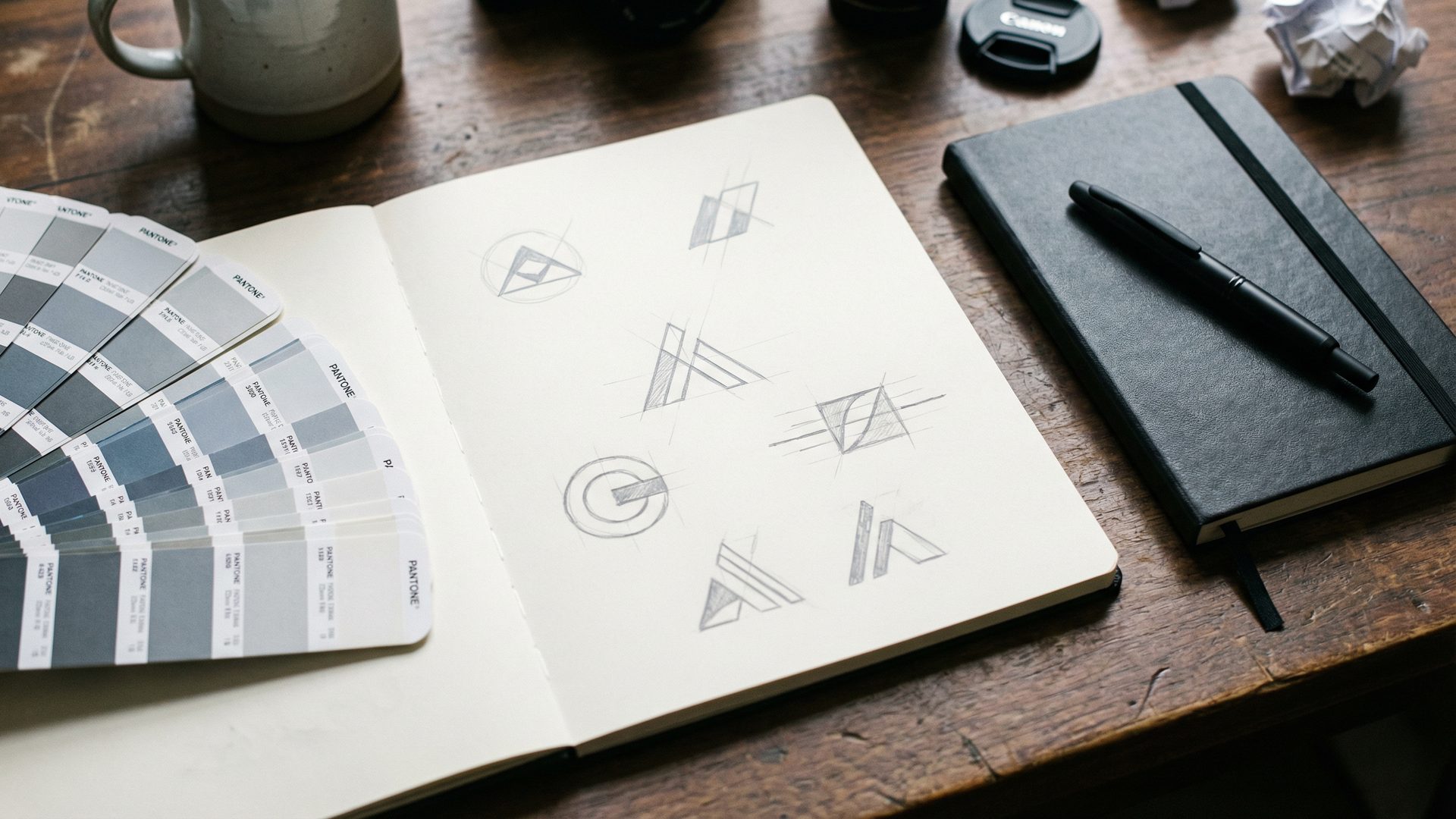
The alternative is to treat your team gear not as "swag," but as a collection of cultural artifacts. This approach reframes merchandise as a product, designed and developed with the same rigor and attention to detail as your company's core product. It is a strategic investment in your employer brand, designed to send a powerful and specific signal to the market.
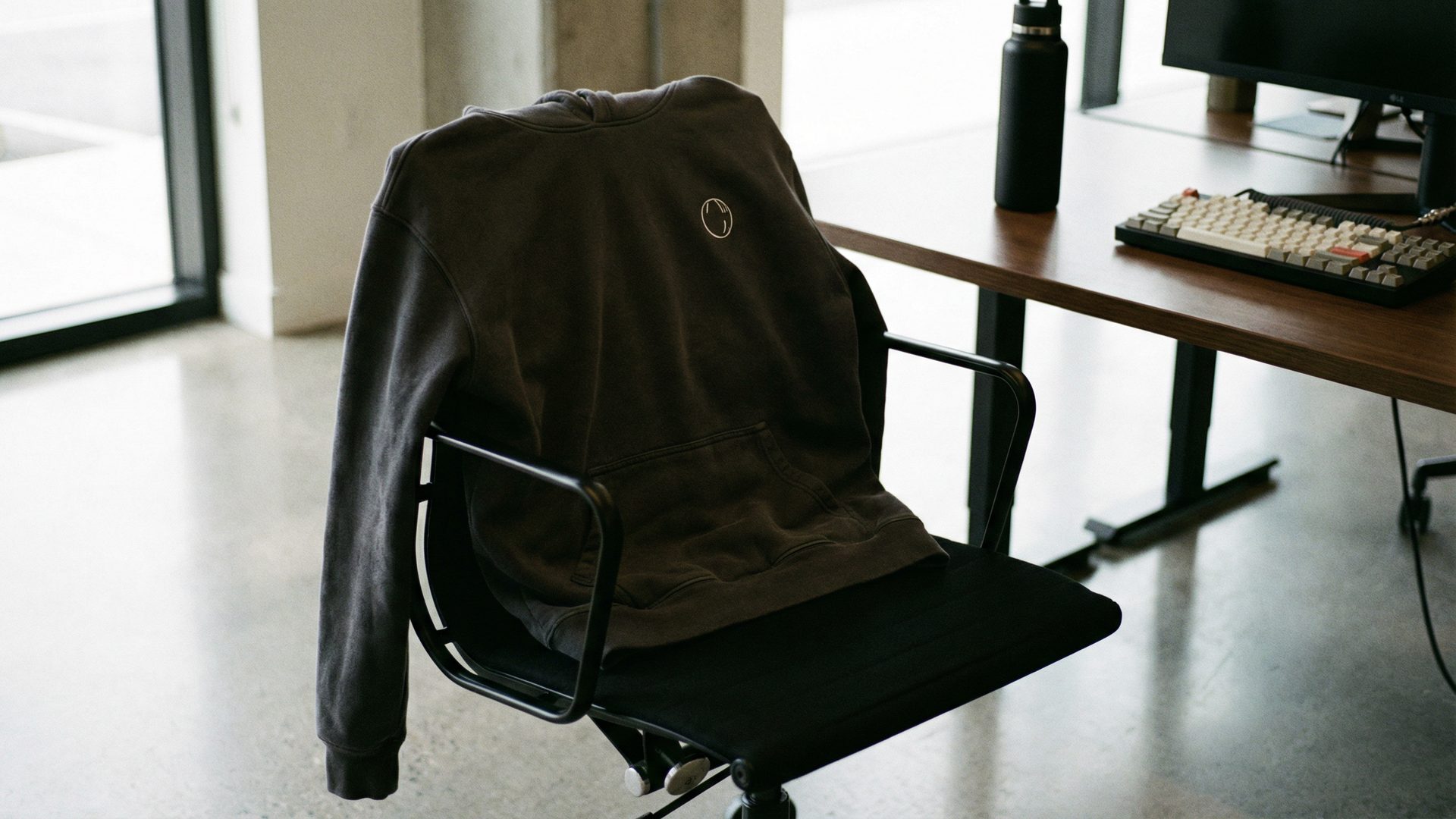
The goal is to create items that your team would be proud to buy themselves. This means moving away from the promotional products world and embracing the principles of modern apparel design. It means obsessing over fabric, fit, and finish. It means understanding that a subtle, well-executed embroidered logo on a premium garment is a more confident and powerful statement than a giant screen print on a cheap blank. This is the Talent Signal Play: a conscious decision to use your team gear as a tangible expression of your company's values. It communicates to your team and to the world that you are a company that cares about the details, invests in quality, and is committed to building something that lasts.
Case Study: Anduril Industries and the Art of the Cultural Artifact
Few companies understand the Talent Signal Play better than Anduril Industries. Founded by Oculus VR creator Palmer Luckey, the defense-tech unicorn has weaponized its merchandise to build one of the most powerful employer brands in the world. Anduril's gear is not swag; it is a collection of highly sought-after cultural artifacts that signal exclusivity, ambition, and an unapologetic commitment to its mission.
Their most famous piece is a simple t-shirt with the slogan "Don't Work at Anduril." It is a brilliant piece of reverse psychology, a challenge to the ambitious and a filter for the uncommitted. The company also produces retail-quality, military-inspired gear like a $120 flight jacket, which sells out almost instantly. These are not cheap giveaways. They are premium products that employees and fans are proud to own.
For a chief of staff or head of people at a funded startup, the takeaway is clear. Investing in premium, well-designed team gear is not a frivolous expense. It is a direct investment in your employer brand. It is how you create a sense of identity and belonging for your team, and it is how you signal to the market that you are building a company that matters. You do not need to be in defense tech to apply the same principles. You just need to understand that your gear is a message.
The Playbook: How to Build Your Talent Signal Program
Transitioning from a generic swag program to a strategic merchandise program requires a new playbook. The following four steps outline how to build a program that sends the right signal.
Develop a Core Collection, Not a Random Assortment. Start by defining a small, curated collection of 3-5 hero items. Instead of offering twenty different low-quality options, focus on perfecting a few key pieces. A typical core collection for a tech startup should include a premium heavyweight hoodie, a high-quality t-shirt, a dad hat or beanie, and a premium water bottle.
Invest in Custom, Retail-Quality Garments. The single most important decision you will make is the quality of your garments. Do not choose from a generic catalog of blanks. Work with a partner who can help you source or develop custom-milled fabrics and modern fits. The goal is to create a hoodie that feels like it belongs on the rack at a high-end streetwear boutique, not in a box at a trade show.
Embrace Subtle, Confident Branding. The era of the giant, centered logo is over. The most effective branding is subtle, confident, and integrated into the design of the garment. This means using techniques like high-density embroidery, tonal screen prints, and custom-sewn labels. A small, well-placed logo on the chest, sleeve, or hood is a more sophisticated and powerful statement.
Create a Premium Onboarding Experience. The first time a new hire interacts with your brand should be a memorable and impressive experience. Your new hire welcome kit is your opportunity to make a powerful first impression. A beautifully designed box containing a premium hoodie, a welcome note from the founder, and a few other high-quality items sends a clear message that you are thrilled to have them on the team and that you invest in your people.
Finding the Right Partner
Executing on this is impossible if you are working with the wrong type of vendor. You cannot create premium, retail-quality apparel if you are working with a company that is set up to sell you cheap promotional products. You need a full-package apparel partner who can act as an extension of your brand.
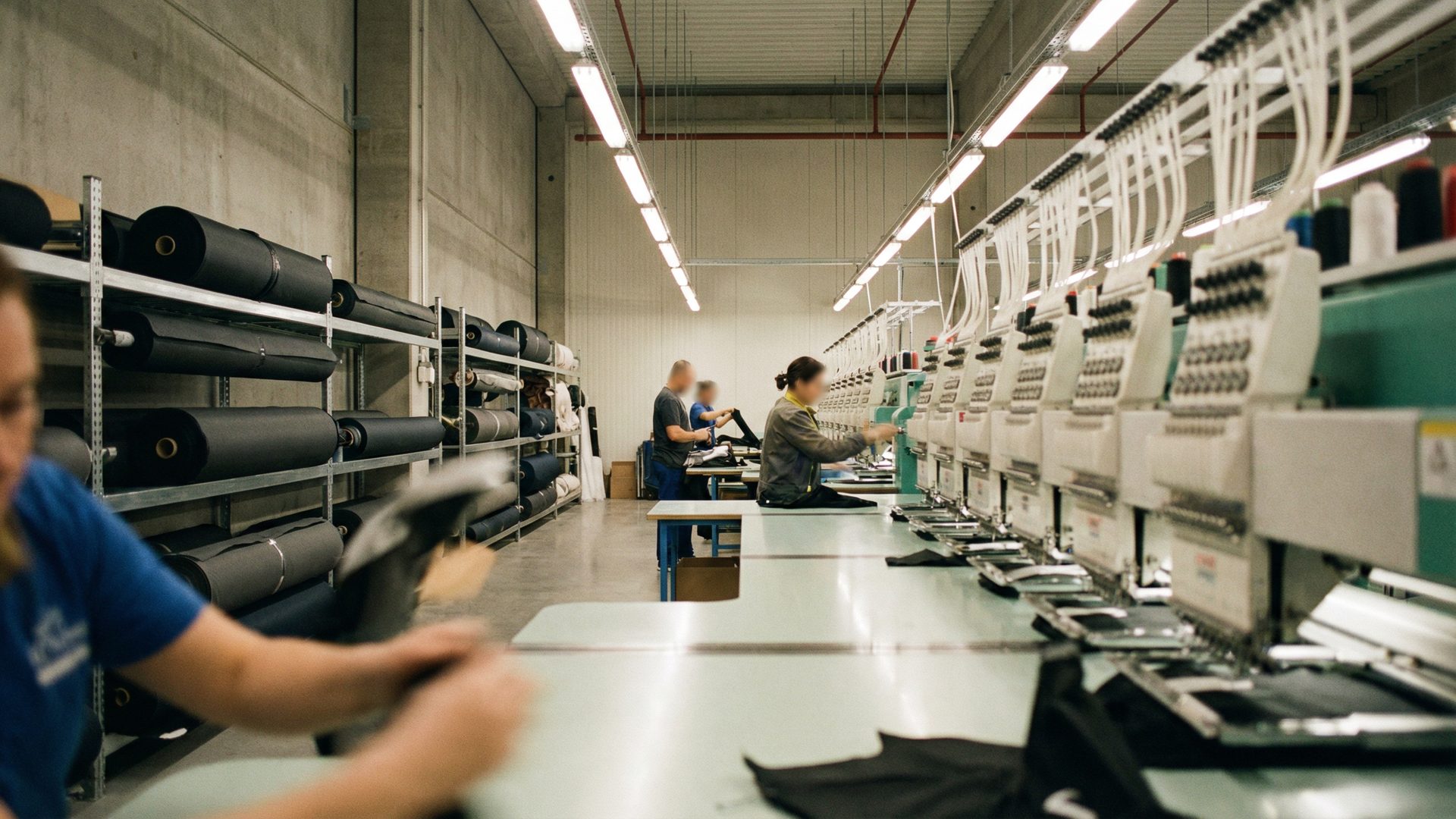
A true partner will not just ask for your logo and a credit card. They will work with you to understand your brand, your culture, and your goals. They will guide you through the process of fabric selection, fit development, and branding execution. They will have a deep understanding of the apparel industry and a network of high-quality factories. When you are evaluating potential partners, ask to see their work. Ask for samples. If they cannot show you examples of retail-quality, custom-milled garments they have produced for other design-conscious brands, they are not the right partner for you. For a deeper look at the fundamentals of how premium apparel is actually made, the production process is worth understanding before you begin.
Conclusion: The Marathon, Not the Sprint
The war for talent is a long and difficult marathon. In this environment, the companies that win are the ones that build a deeply ingrained culture of excellence and communicate it at every single touchpoint. Your team gear is one of the most persistent and tangible touchpoints you have. It is a daily opportunity to remind your team why they joined your company and to signal to the world what you stand for.
By moving beyond the world of cheap, disposable swag and embracing the principles of the Talent Signal Play, you are making a strategic decision to invest in your employer brand. You are choosing to build a company that wins on the details. You are choosing to send a signal that will resonate with the very people you need to build the future. The question is not whether you can afford to invest in premium team gear. The question is whether you can afford not to.
Frequently Asked Questions
How much should a tech startup budget for a premium merch program?
While there is no magic number, a good starting point is to think in terms of cost-per-employee for internal team gear, and a specific, project-based budget for external-facing drops. For a Series B company of 100-200 employees, a budget of $50,000-$100,000 for a comprehensive onboarding kit and team apparel program is a realistic and worthwhile investment.
What specific items should be in a new hire kit for a tech company?
A great new hire kit should contain one "hero" apparel piece, like a premium heavyweight hoodie, along with a high-quality t-shirt, a notebook and pen from a respected brand like Moleskine or Baron Fig, a premium water bottle like a YETI or a Fellow, and a handwritten welcome note from the founder or team lead.
Is it better to use a retail brand like Nike or create a fully custom piece?
While using a recognized retail brand can provide a baseline of quality, creating a fully custom, cut-and-sew piece allows you to control every detail of the fabric, fit, and finish. For a company focused on building a unique and powerful brand, a custom piece is almost always the superior option, as it demonstrates a higher level of intentionality and creativity.
How does the quality of team gear actually impact engineer retention?
The quality of team gear is a tangible proxy for how much a company values its people. When an engineer receives a high-quality, thoughtfully designed item, it reinforces their sense of belonging and pride in the organization. This contributes to higher morale and a stronger emotional connection to the company, which are key factors in long-term retention.
What is the difference between a promo products vendor and a full-package apparel partner?
A promo products vendor sells you blank apparel from a catalog and adds your logo. A full-package apparel partner is a strategic consultant who helps you design, develop, and manufacture custom apparel from the ground up. They manage the entire supply chain, from fabric sourcing to factory production, ensuring a retail-quality result.
How long does it take to produce a fully custom, high-quality hoodie?
A fully custom, cut-and-sew hoodie typically takes 90-120 days to produce. This includes time for fabric sourcing, sample development, fit approvals, and bulk production. This longer timeline is a trade-off for the higher level of quality and customization that is possible.