Why Action Sports and Outdoor Brands Are Moving Production to Bangladesh
Discover why top action sports and outdoor lifestyle brands are shifting their technical outerwear and performance apparel production to factory-direct partners in Bangladesh.

Why Action Sports and Outdoor Brands Are Moving Production to Bangladesh
3 MINUTES
July 1, 2026
For the better part of two decades, the sourcing playbook for outdoor lifestyle, ski, and action sports brands was entirely predictable. If you were building a basic cotton t-shirt or a standard promotional hoodie, you went to Bangladesh or Central America. If you were building technical outerwear, performance synthetics, or complex cut-and-sew fleece requiring specialty washes, you went to China. The industry operated on a rigid dichotomy: cheap volume in South Asia, technical precision in East Asia.
In 2026, that playbook is not just outdated; it is actively damaging the margins and scalability of mid-to-large apparel brands. The narrative that Bangladesh is strictly a commodity manufacturing hub has been shattered by a new tier of highly advanced facilities in Dhaka. The technical capabilities of top-tier Dhaka factories now rival or exceed traditional East Asian hubs, while offering a significantly more advantageous cost structure and a far more direct, accountable communication model.
The Heritage Trap in Technical Sourcing
The hesitation to move complex production out of traditional hubs is rooted in what we call the Heritage Trap. Product developers and sourcing directors at outdoor and action sports brands often believe that only specific factories in China or Vietnam possess the institutional knowledge required to sew technical outerwear, apply waterproof seam tape, or execute consistent garment dyes on heavy fleece. This belief is reinforced by sourcing agents who rely on established, legacy relationships to maintain their margins.
The Heritage Trap convinces brands to absorb rising costs, accept rigid Minimum Order Quantities in the thousands, and tolerate communication bottlenecks, all under the guise of protecting product quality. You convince yourself that paying a premium to a legacy factory and the agent brokering the deal is the only way to ensure your performance synthetics perform as advertised.
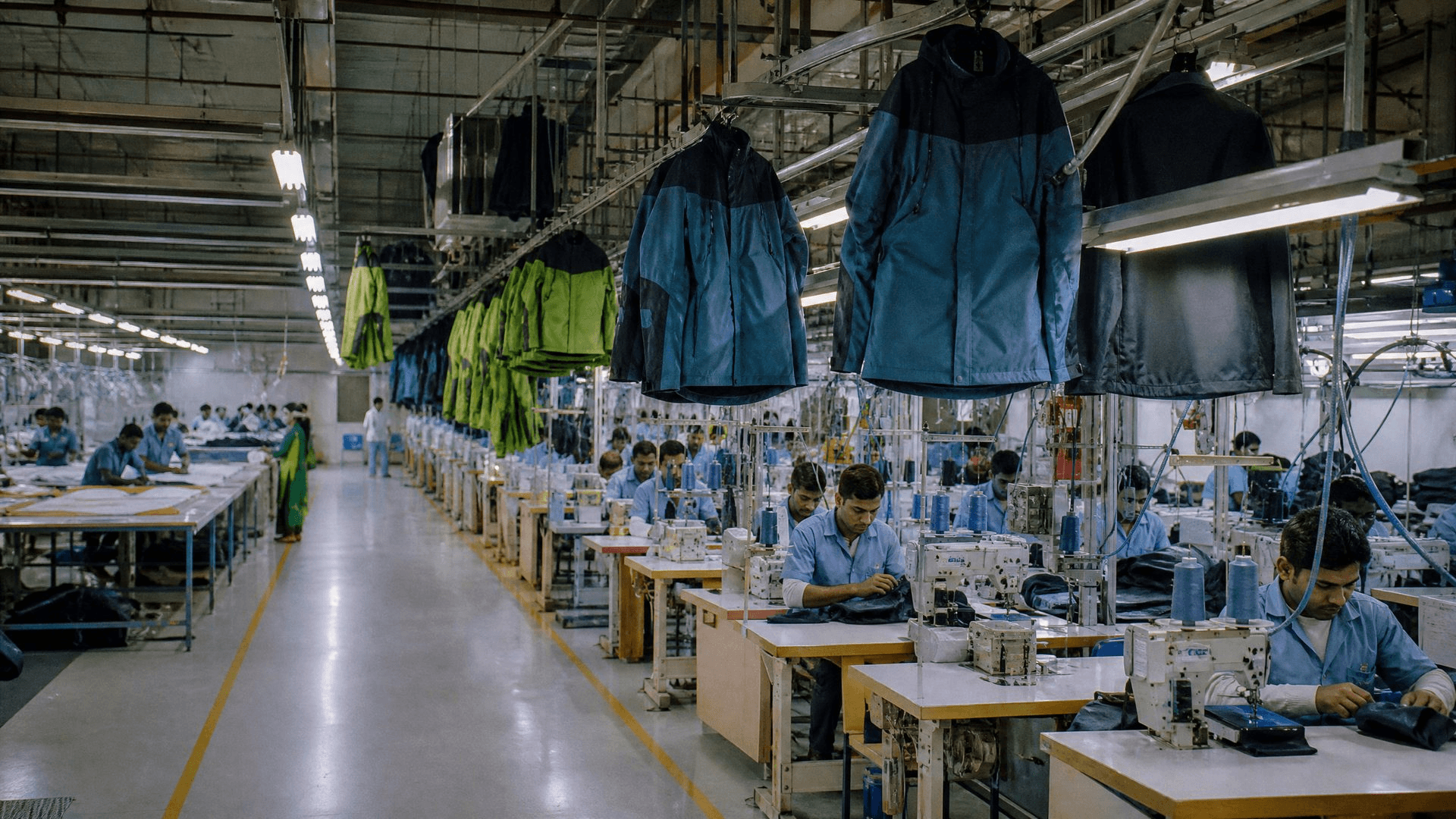
The reality on the ground in Dhaka tells a completely different story. The capital investment in Bangladeshi manufacturing infrastructure over the last five years has been staggering. The facilities leading this charge are not sweatshops churning out fast fashion; they are state-of-the-art production powerhouses equipped with the exact same advanced machinery, automated cutting technology, and specialized finishing equipment found in top-tier Chinese factories. By remaining anchored to legacy sourcing hubs out of fear, brands are voluntarily paying a massive premium for a perceived technical monopoly that no longer exists.
The Technical Evolution of Dhaka
To understand why the shift is happening, you must look at the specific capabilities now available in an advanced Dhaka facility. When an action sports brand or a ski lifestyle company evaluates a factory, they are looking for granular control over complex variables.
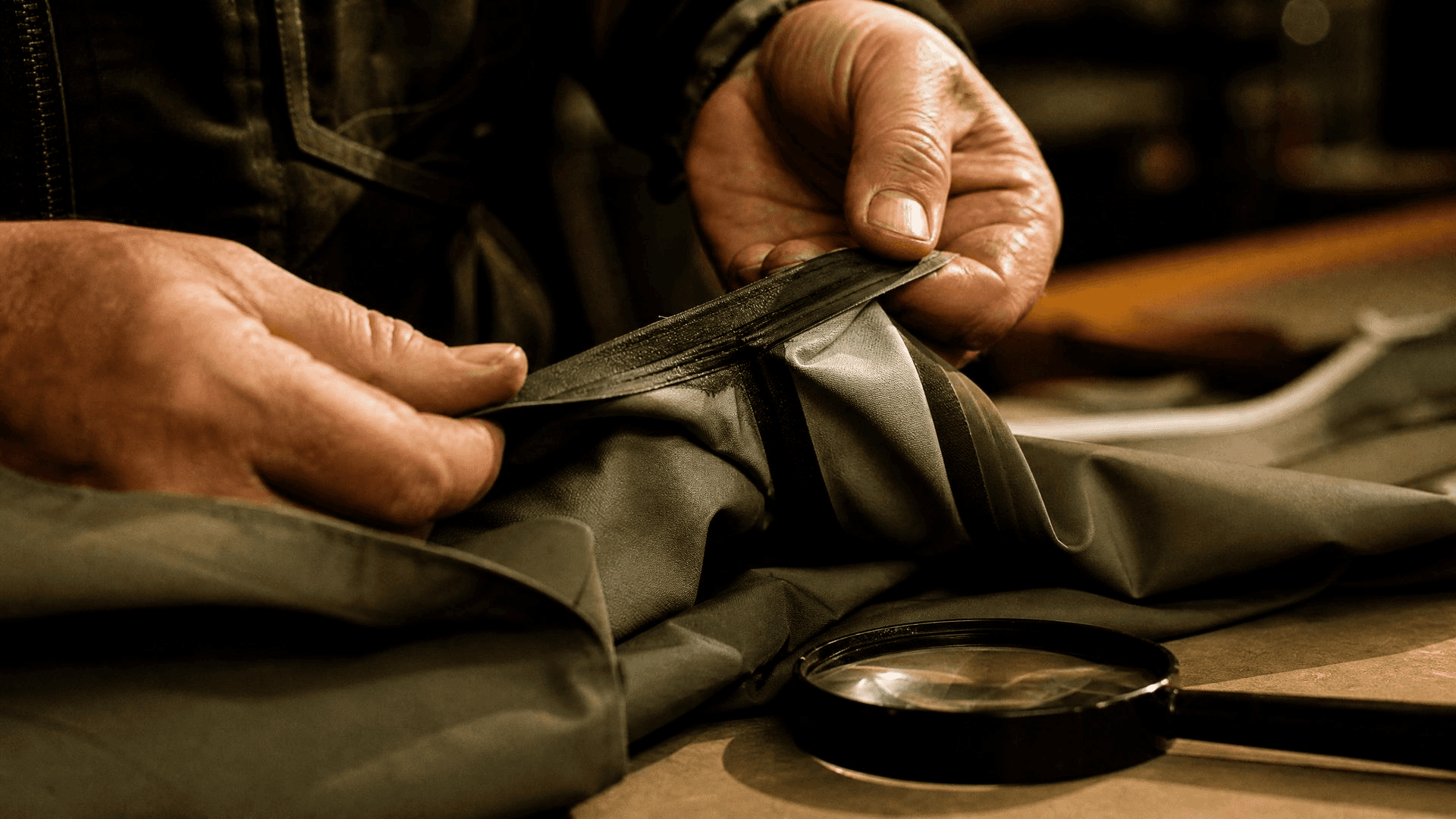
Performance Synthetics and Outerwear. The production of technical jackets and ski apparel requires absolute precision in cutting and sewing to ensure weather resistance and durability. Advanced Dhaka facilities execute programs utilizing performance synthetics with specialized techniques including waterproof seam sealing, articulated joint construction, and complex multi-fabric paneling. The machinery required for these programs is purpose-built for the demands of the outdoor industry and is now standard equipment in the leading Dhaka factories.
Complex Cut-and-Sew Fleece. The action sports market is driven by premium, heavy-weight fleece. A standard factory can sew a hoodie, but executing a custom 450gsm cut-and-sew fleece program with a perfect vintage wash requires deep expertise and in-house wash capability. The best Dhaka facilities manage the entire process under one roof, from the initial knit to the final specialty treatment. Because they do not subcontract garment dyeing or wash processes to third parties, they maintain absolute consistency across a full production run, ensuring every piece matches the approved pre-production sample.
In-House Embellishment. Technical apparel often requires specialized branding applications that go beyond standard plastisol screen printing. The leading Dhaka facilities handle high-density printing, complex embroidery, and heat-transfer applications under one roof. Consolidating the embellishment process within the primary manufacturing facility eliminates the transit time and quality control risks that come from moving goods between a sewing factory and a third-party print shop.
What to Demand From Any Factory Partner
Technical capability on paper means nothing without the operational model to back it up. When evaluating a Dhaka facility for outdoor or action sports production, there are three non-negotiable criteria that separate a genuine production partner from a factory that will overpromise and underdeliver.
The first is direct access to the production manager. If you cannot communicate directly with the person overseeing your program on the floor, you are working through a broker, regardless of what the contract says. Communication delays compound into sampling errors, missed approvals, and ultimately missed seasons. The second is in-house capability across every process your program requires. Any facility that subcontracts your washes, your embroidery, or your seam sealing to a third-party vendor has introduced a quality control gap you cannot manage from overseas. The third is a MOQ structure that reflects your actual business needs. Legacy factories demand thousands of units per style because their model is built for commodity volume, not for brands that need to test and iterate. The right partner in Dhaka will offer minimums starting at 100-300 units per style with 6-8 week lead times, giving you the flexibility to run a technical capsule, validate it in the market, and scale into bulk without over-committing capital.
The Sourcing Map Has Changed
The shift of technical apparel production to Bangladesh is not a future trend. It is the current reality for outdoor and action sports brands that have done the work to evaluate what the top Dhaka facilities are actually capable of in 2026. The machinery exists, the technical expertise is proven at scale, and the capacity is there to grow with you. The brands still anchored to legacy hubs out of habit are paying a premium for a quality advantage that has largely disappeared.
If you are evaluating your supply chain options for technical outerwear, performance synthetics, or cut-and-sew fleece programs, HH operates an owned-and-operated factory in Dhaka with over 2 million units of monthly capacity, overseen by a production manager with 30 years of regional experience. Every program runs with a single point of contact from tech pack to delivery, with hands-on QC at every production stage. If you want to understand what that looks like for your specific program, reach out to our team and we will walk you through it.
Frequently Asked Questions
Can Bangladesh factories produce technical outdoor apparel?
Yes. While historically known for basics, top-tier, owned-and-operated facilities in Dhaka are now equipped with advanced machinery and expertise to produce highly technical outerwear, performance synthetics, and complex cut-and-sew garments for leading outdoor and ski brands.
What is the best overseas factory for ski apparel brands?
The best factory is one that offers a direct, owned-and-operated relationship without sourcing agents. For ski apparel, you need a facility with proven in-house capabilities for performance synthetics, seam sealing, and technical construction, combined with direct project management to ensure absolute quality control at every production stage.
How do you quality control performance synthetics in Bangladesh?
Quality control must be hands-on at every stage of production. By partnering with a factory-direct facility that manages all processes — from cutting and sewing to specialty washes and embellishment — under one roof, you eliminate the risks associated with third-party subcontractors and ensure consistency across the entire run.
What are the minimum order quantities for outerwear in Bangladesh?
While legacy factories often demand MOQs in the thousands for technical outerwear, specialized direct facilities in Dhaka offer aggressive minimums starting at 100-300 units per style. This allows scaling brands to test new performance styles without massive capital exposure.
Are sourcing agents necessary for outdoor apparel production?
No. In fact, sourcing agents often hinder the production of technical apparel by creating communication bottlenecks and adding a 10-20% markup to per-piece costs. A direct relationship with the factory floor provides the transparency and speed required to execute complex outdoor programs successfully.