The Two-Part Merch Model Every Podcast Network Should Be Running
What if you could run a professional, scalable, and highly profitable merchandise program for every show on your roster without having to build a full-fledged apparel company in-house?
The Two-Part Merch Model Every Podcast Network Should Be Running
3 MINUTES
March 4, 2026
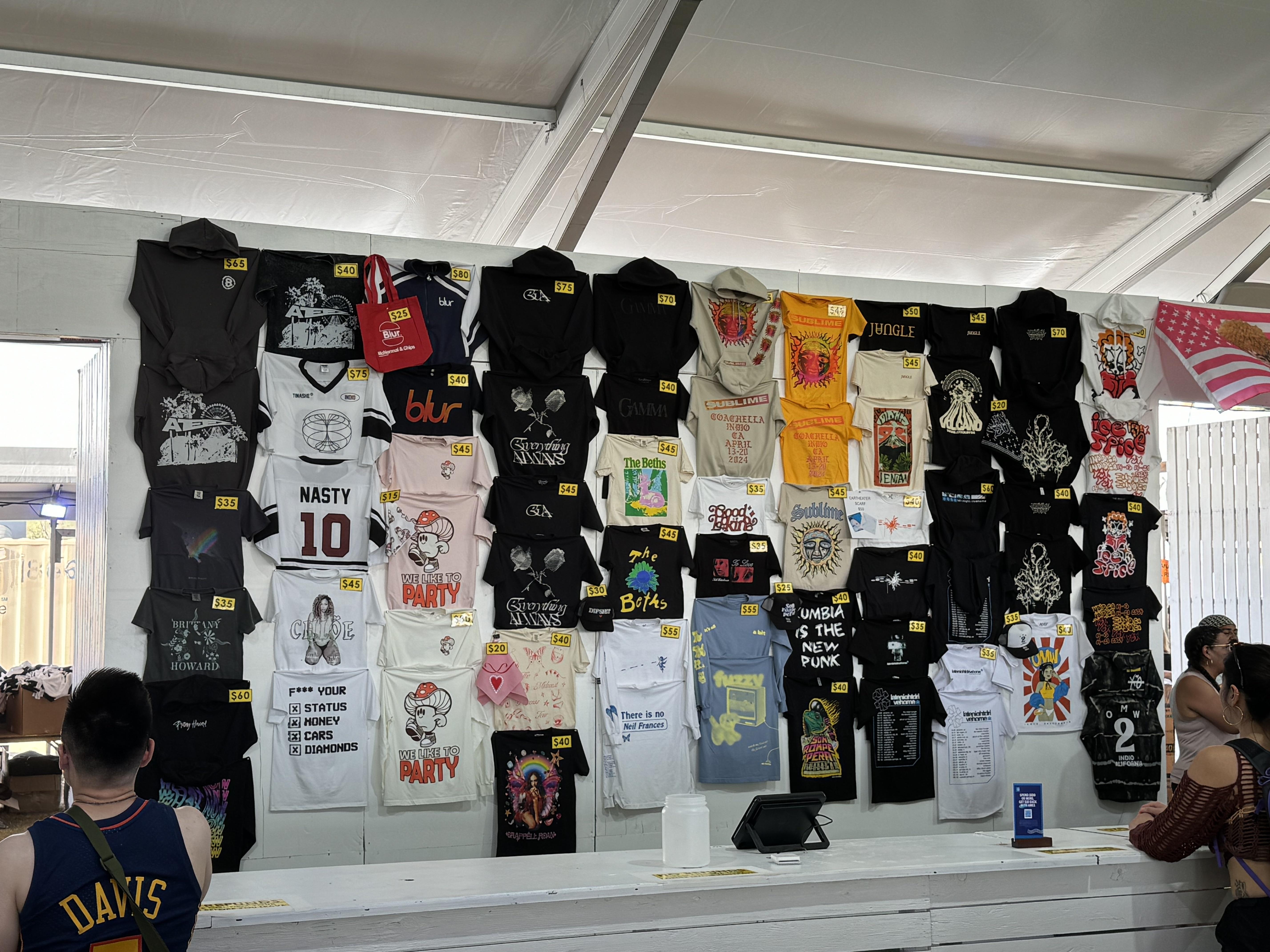
Your podcast network is a machine. You have a roster of talented hosts, a loyal audience in the millions, and a well-oiled ad sales operation. But there is one revenue stream that remains a constant source of frustration and untapped potential: merchandise. You see the success of brands like Barstool Sports and The Volume, who have built eight-figure apparel businesses on the back of their content, and you know the opportunity is massive. But your reality is a chaotic mix of one-off drops, inconsistent quality, and an internal team stretched thin trying to be apparel experts when their real talent lies in marketing and talent management.
This isn't just a hypothetical problem; it's a strategic bottleneck. Every hour your team spends chasing down a late sample, debating fabric weights, or trying to translate a host's vague idea into a manufacturable design is an hour they aren't spending on what they were hired to do: grow the network. The opportunity cost is immense. While your team is buried in the tactical weeds of production, your competitors are busy signing the next big host, securing major brand partnerships, and building the marketing campaigns that turn listeners into superfans.
What if you could have the best of both worlds? What if you could run a professional, scalable, and highly profitable merchandise program for every show on your roster without having to build a full-fledged apparel company in-house? What if you could offload the entire design and production process to an expert partner, freeing up your team to do what they do best: work with talent on product curation, manage your e-commerce stores, and market the hell out of every drop?
This article lays out what we call the Two-Part Merch Model: a framework for podcast and media networks who are ready to transform their merchandise operation from a tactical headache into a strategic revenue engine. The model is simple. Part One is your Production Engine — a full-package partner who handles every aspect of design, development, and manufacturing. Part Two is your Brand and Marketing Engine — your internal team, freed from the operational grind and focused entirely on talent curation, store management, and driving sales. Together, the two parts create a merchandise program that is professional, scalable, and built to grow with your network.
The Network Advantage (and the Network’s Curse)
A podcast network has a unique, powerful advantage in the merchandise game: a diverse portfolio of talent, each with their own dedicated, niche audience. This allows you to launch multiple brands under one operational umbrella, creating economies of scale that a single creator could never achieve. You can centralize your warehousing, consolidate your shipping, and leverage your total volume to get better pricing from manufacturers.
But this advantage is also a curse. Managing the creative and production process for a dozen different shows, each with their own brand identity, product needs, and drop schedules, is a logistical nightmare. Your team, which is brilliant at signing talent and selling ads, suddenly finds itself buried in tech packs, fabric sourcing, and factory follow-up. The result is predictable: burnout, missed deadlines, and mediocre product that fails to capture the unique spirit of each show. The curse is that the very diversity that makes your network strong also creates a level of operational complexity that can cripple your merchandise ambitions before they even get off the ground.
The Two-Part Solution: The Design & Production Engine
The solution is not to hire a massive internal apparel team. It is to find a partner who can function as your on-demand design and production engine. This is a fundamental shift in how you think about your operation. Your internal team’s job is not to make the product; their job is to drive the revenue from the product. The partner’s job is to handle everything else.
This two-part model allows each team to focus on their core competency:
Part 1: The Full-Package Partner (Your Production Engine)
A full-package partner acts as your outsourced, expert apparel department. They provide the infrastructure and expertise you lack, handling the entire back-end of the merchandise process:
•Creative & Design: They work with your team and your talent to translate a show’s brand into a cohesive apparel collection. They have designers who live and breathe this world and can develop everything from a single graphic to a full cut-and-sew line. This is a collaborative process where your team provides the brand direction and the partner provides the design expertise to bring it to life.
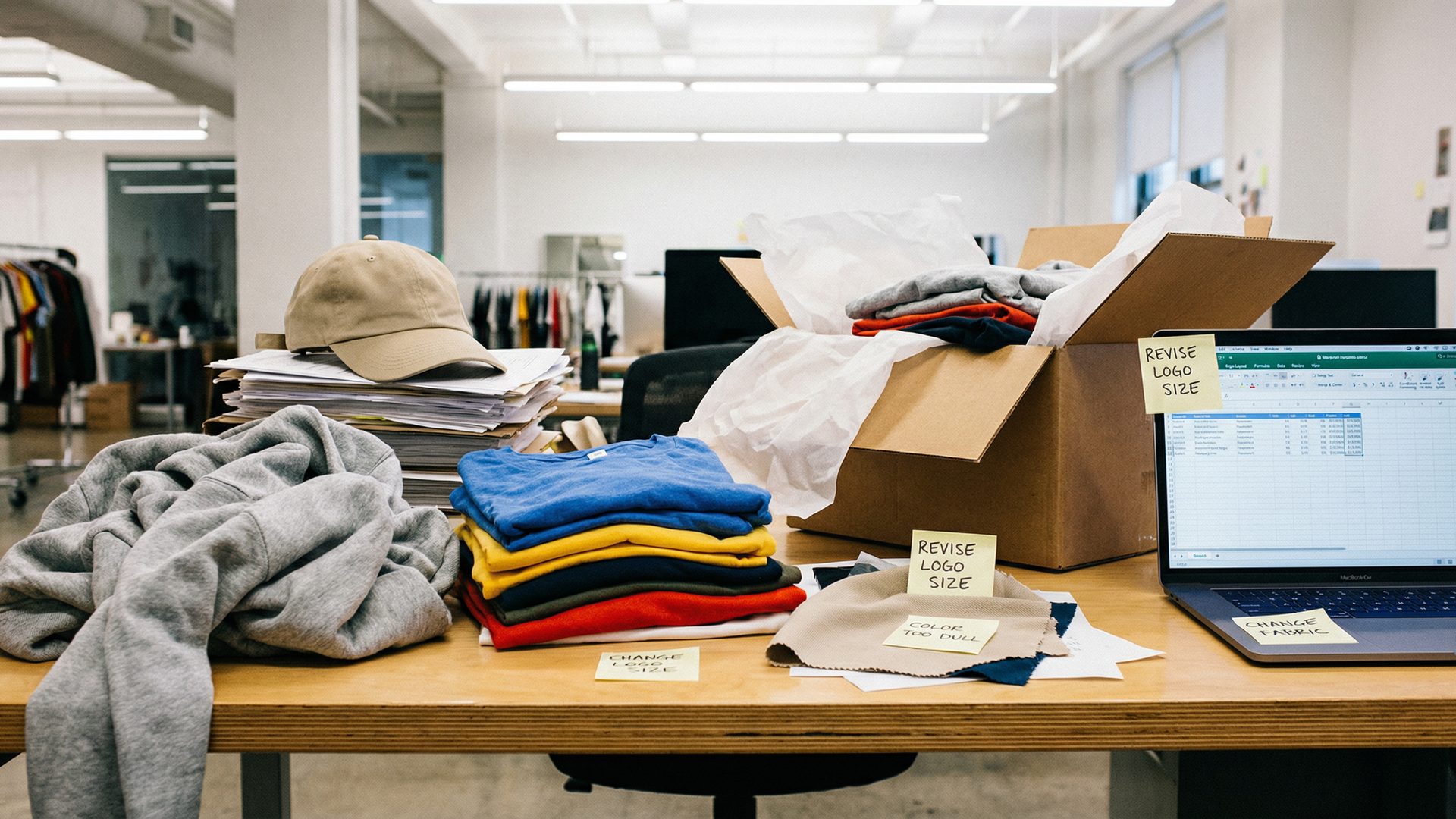
•Product Development: They manage the entire technical side of product creation, from building tech packs and sourcing materials to managing the sampling and revision process. They ensure every garment is retail-quality and ready for production. This is a critical step that separates professional merchandise from amateur merch.
•Manufacturing & Supply Chain: They leverage their network of vetted factories, both domestic and overseas, to produce your goods at the highest quality and best possible cost. They handle all the production management, quality control, and logistics, from the factory floor to your warehouse. This insulates you from the risk and complexity of global supply chains.
Part 2: Your Internal Team (Your Brand & Marketing Engine)
With the entire production process offloaded to a partner, your internal team is freed up to focus on the high-leverage activities that actually drive revenue and brand growth:
•Talent Curation & Collaboration: Your team can now spend their time where it matters most: working directly with your hosts to develop product ideas that feel authentic and exciting. They can act as creative directors and brand managers, not production coordinators. They can help the talent tell a story with their merchandise, creating a deeper connection with their audience.
•E-commerce & Store Management: They can focus on building and optimizing your Shopify stores, managing inventory levels, and ensuring a seamless customer experience. They can analyze sales data to see what is working and what is not, and use that information to plan future drops. This is a strategic role that requires a deep understanding of your audience and your brand.
•Marketing & Promotion: This is the most critical function. Your team can now dedicate their energy to building a marketing plan for every single drop, integrating it into the show’s content, and using your network’s full promotional power to drive sales. They can create the content that makes the merch desirable, turning a simple t-shirt into a must-have item.
This model allows you to scale your merchandise operation across your entire roster without scaling your headcount. You get the quality and efficiency of a professional apparel brand without the overhead.
Case Study: The Barstool Sports & The Volume Model
Look at the most successful media companies in the merchandise space, and you will see this two-part model in action. Barstool Sports did not build a 200-person apparel division. They built a world-class marketing and brand team, and they work with partners to handle the production. Their internal team focuses on creating the content and the cultural moments that make people want to buy the merch. The partner handles the rest. This allows them to move at the speed of culture, dropping a t-shirt within hours of a viral moment, because they have a production engine that is always ready to go.
Similarly, a network like Colin Cowherd’s The Volume can launch a unique apparel line for each of its shows without having to become a clothing company. Their team works with the hosts to develop the creative, and a full-package partner handles the execution. This allows them to be nimble, launching new products quickly to capitalize on a viral moment, while still maintaining a high standard of quality across their entire portfolio. The result is a merchandise program that feels authentic to each show, but is executed with the professionalism and efficiency of a major brand.
Conclusion: Build a Media Company, Not a T-Shirt Company
Your company’s core competency is creating and monetizing content. The goal of your merchandise program should be to leverage that competency, not distract from it. By embracing the two-part model and finding a partner to act as your design and production engine, you can build a scalable, profitable, and brand-enhancing merchandise business for every single show on your roster. You can empower your team to do what they do best, and you can deliver the kind of high-quality, authentic product that turns casual listeners into loyal, paying fans. Stop trying to be a t-shirt company. Focus on being a world-class media company, and let your partner handle the rest. The future of your merchandise program depends on it.
FAQ: Merchandise for Podcast & Media Networks
How do we manage the creative process for so many different shows?
The key is to create a standardized but flexible creative process. Your internal brand manager should work with each host to define their unique brand identity and product vision. The full-package partner then translates that vision into a concrete product line, providing a menu of options (e.g., good/better/best quality tiers, different garment types) that the host can choose from. This gives the talent creative control while keeping the process efficient.
What is a realistic revenue expectation for a new show's merch line?
For a show with an established audience in the 100,000 to 500,000 listener range, a well-executed first drop with a focused collection of three to five SKUs can realistically generate $10,000 to $30,000 in revenue. That number scales significantly with audience size, marketing effort, and the host's level of personal promotion. The goal of a first drop is not to break revenue records; it is to validate the product, learn what your audience responds to, and build the operational foundation for future drops that will be larger and more profitable.
How do we handle inventory for so many different SKUs?
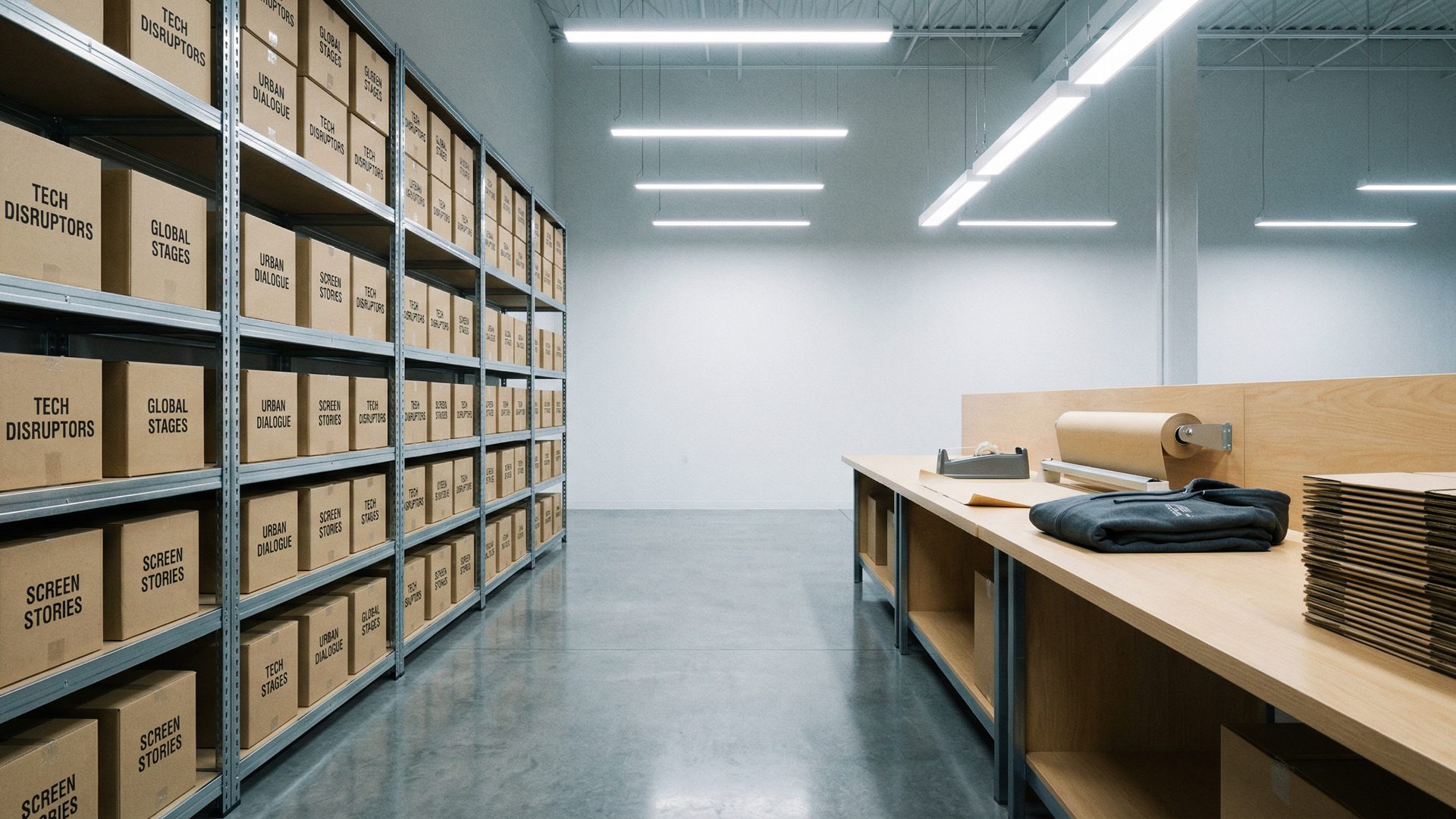
This is where a centralized warehouse managed by your partner is critical. They can manage the inventory for all your shows in one place, giving you a unified view of your stock levels. This allows you to make smart decisions about reorders and to easily bundle products from different shows in your main network store.
Should each show have its own Shopify store?
It depends on your strategy. A common model is to have a main network store that features products from all the shows, plus individual, dedicated stores for your biggest, most established brands. The main store is great for cross-promotion and discovery, while the individual stores allow your top talent to build their own unique brand worlds.
What is the most important factor in a successful network merchandise program?
Consistency. Consistent quality, a consistent drop schedule, and a consistent brand message are what separate the professional programs from the amateur ones. A full-package partner is the key to achieving that consistency at scale, because they provide the operational foundation that allows your team to focus on the creative and marketing, most importantly, the marketing.
How do we ensure the quality of the merchandise reflects our brand?
This is a critical concern, and it comes down to choosing the right partner. A good partner will have a rigorous quality control process, with checkpoints at every stage of production. They should also be transparent about their sourcing and manufacturing practices. Before you sign a contract, you should ask to see samples of their work and speak to their existing clients. Your brand's reputation is on the line, so you need to be confident that your partner can deliver a product that you're proud to put your name on.