Your Alibaba Supplier Isn’t Going to Get You to $1M — What’s Next?
This is the guide for the founder who has hit the Alibaba ceiling and is ready to build a professional, scalable supply chain.

Your Alibaba Supplier Isn’t Going to Get You to $1M — What’s Next?
3 MINUTES
March 2, 2026
So, you did it. You fought your way through the zero-to-one phase. You found a niche, built a community, and your MVP drop actually sold out. Your first few production runs from that Alibaba supplier you found felt like magic. The hoodies arrived, you shipped them out from your garage, and for a moment, you felt like a real brand owner.
But now, the magic is fading. Your latest shipment was two weeks late, the color was off on half the batch, and the fit on the new tees is completely different from the last run. Your contact, “Sunny,” who was so responsive when you were placing the order, now takes three days to answer a simple question. You’re spending more time managing your supplier than you are building your brand, and you have a sinking feeling that this isn’t sustainable.
This is the article for you. This is the guide for the founder who has hit the Alibaba ceiling and is ready to build a professional, scalable supply chain. We’re going to pull back the curtain on how real brands find and manage their manufacturing partners, from the scrappy detective work to the high-level strategic decisions.
The Unspoken Truth About Scaling Past Alibaba
Alibaba is a phenomenal tool for getting started. It’s a gateway to global manufacturing that has enabled thousands of entrepreneurs to launch their first product. But it’s a tool with a very specific purpose: low-cost, high-volume production for buyers who are willing to accept a certain level of risk and inconsistency.
As your brand grows, your needs change. You’re no longer just trying to get a product made; you’re trying to build a reputation for quality and consistency. Every late shipment, every bad batch, every inconsistent fit is a direct hit to that reputation. The horror stories are endless and all too common:
•The Bait and Switch: The initial samples are perfect, but the bulk production quality is a disaster. The factory used cheaper fabric, the stitching is sloppy, and the whole run is unsellable.
•The Disappearing Act: Your production is delayed for weeks with no explanation. You’ve already announced your drop date. Your supplier stops responding to your messages. You have thousands of dollars tied up, and you’re completely in the dark.
•The “Close Enough” Color: You approved a specific Pantone color. What arrives is a shade that’s “close enough.” For a brand, “close enough” is a death sentence.
If any of this sounds familiar, it’s not your fault. It’s the natural lifecycle of a growing brand. You’ve outgrown your starter supplier. It’s time to level up.
How to Find Real Factories: The Detective Work
So, where do you find the factories that the big brands use? They’re not advertising on Alibaba. Finding them requires a different level of hustle and detective work.
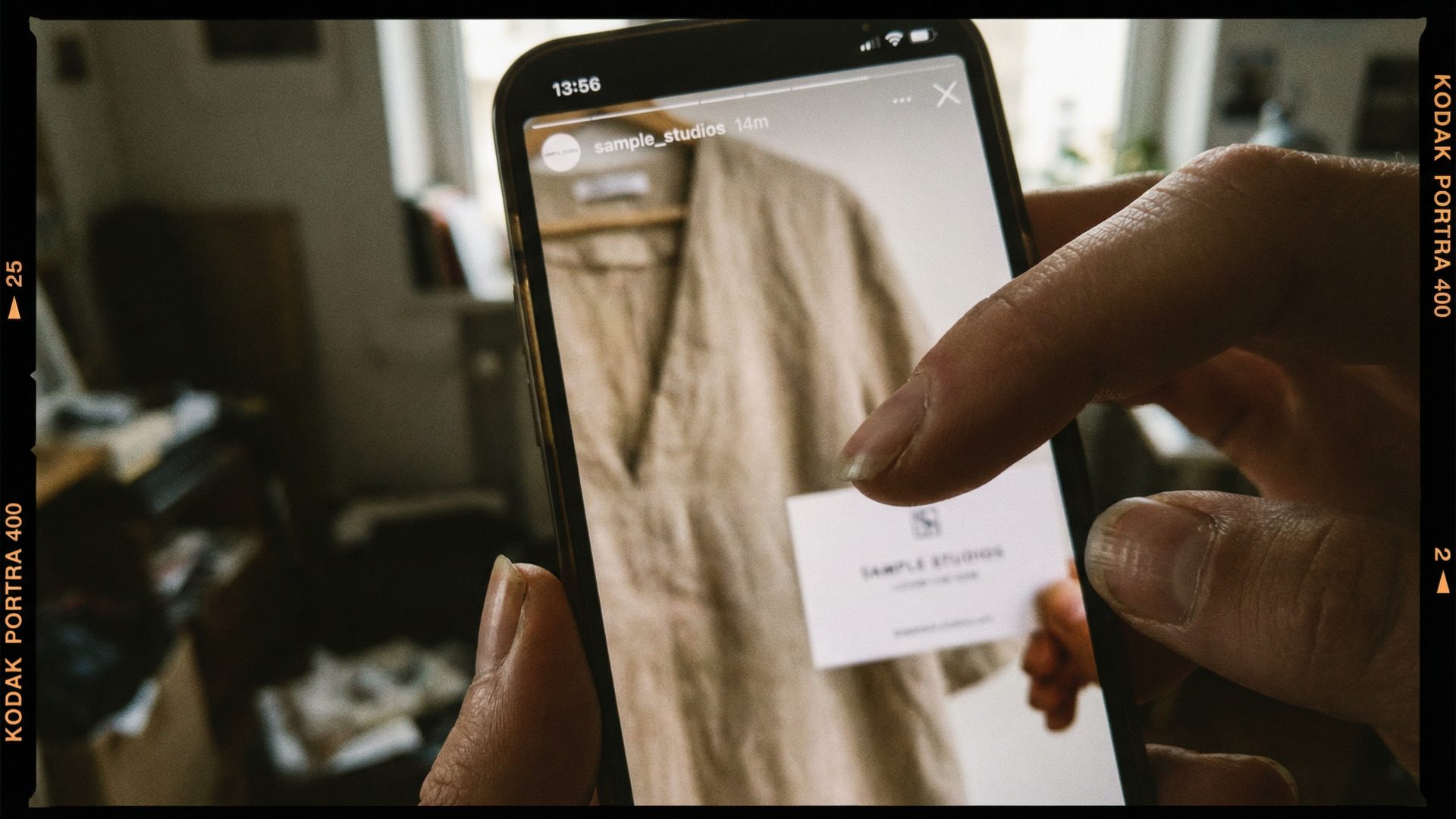
•The Instagram Screenshot Method: This is the ultimate insider move. Pay close attention to the Instagram stories of brands you admire, especially the behind-the-scenes content. Every so often, someone will slip up. They’ll post a photo of a new sample, and in the background, a sample card, a shipping box, or a factory tag will be visible. I have literally screenshotted blurry stories, enhanced the image, and found the name of a top-tier factory. It’s a long shot, but it’s how you find the hidden gems.
•The Import Records Deep Dive: Websites like ImportYeti allow you to see the shipping manifests for any company that imports goods into the US. Look up a brand that’s a few years ahead of you. You can see exactly which factories they’re using, what they’re importing, and how frequently. This is public data, and it’s a goldmine.
•The Trade Show Grind: Trade shows like Magic in Las Vegas or Texworld in New York are where the real players connect. But don’t just talk to the big fabric mills. Walk the floor and look for the smaller, more specialized factories. Go to the after-parties. The conversations you have over a beer at the hotel bar are often more valuable than the ones you have on the show floor.
This detective work is how you start to build a list of potential partners. But finding the factory is only the first step. Now you have to decide how you’re going to work with them.
The Fork in the Road: Factory-Direct vs. a Full-Package Partner
As you move upmarket, you have two fundamental paths for your supply chain:
Go Factory-Direct: You manage the relationship with the factory yourself.
Work with a Full-Package Partner: You hire a company (like HH) to manage the entire design, development, and production process for you.
Let’s break down the pros and cons of each.
Path A: The Factory-Direct Hustle
This path is tempting. By cutting out the “middleman,” you can theoretically get the best possible pricing. But what you save in margin, you pay for in time, complexity, and sanity.
Pros:
•Highest Potential Margin: You’re negotiating directly with the source, so your cost of goods can be lower.
•Direct Relationship: You have a direct line of communication to the factory.
Cons:
•You Are Now a Production Manager: This is a full-time job. You’re managing timelines, sourcing trims, approving lab dips, and dealing with logistics. It’s a massive distraction from building your brand.
•The LA Middleman Minefield: The apparel world, especially in places like Los Angeles, is filled with guys who will tell you they “own a factory.” They don’t. They’re middlemen who have a relationship with a few local factories. They’ll take your project, mark it up 30-50%, and pass it off to someone else. You’re paying a premium for zero value and zero transparency.
•Language & Cultural Barriers: Miscommunications are inevitable and costly.
•Quality Control is Your Problem: You have to fly to the factory to inspect your production run or hire an expensive third-party QC team.
•No Leverage: You’re still a small player. When a bigger brand’s order comes in, yours gets pushed back.
Going factory-direct is a viable path, but only if you are prepared to build an entire production department within your company. For 99% of brand founders, this is a disastrous misallocation of their most valuable resource: their time.

Path B: The Full-Package Partner
A full-package partner is a team of designers, developers, and production managers who act as your outsourced production department. They take your vision and handle the entire process, from initial design to final delivery.
Pros:
•Tap into a Vetted System: You get immediate access to a network of world-class factories that have been vetted for quality, reliability, and ethical practices. These are relationships that have been built over years and millions of dollars in volume.
•American Team, Global Reach: You work with an American team that understands your brand, your vision, and your quality standards. They handle all the communication with the overseas factories.
•Design & Development Support: A good partner doesn’t just manufacture; they help you design and develop your products. They can help you create tech packs, source innovative materials, and engineer your garments for the perfect fit.
•Quality Control is Handled: The partner has teams on the ground who manage the entire QC process, ensuring that what you approved is what gets delivered.
•You Get Your Time Back: You have one point of contact. You can get back to focusing on what you do best: building your brand, growing your community, and marketing your products.
Cons:
•Not the Absolute Cheapest Price: You are paying for a service, so the margin will be slightly lower than a theoretical, perfectly executed factory-direct relationship. However, it’s almost always more profitable than navigating the middleman minefield or making a costly production mistake.
The Real Value: De-Risking Your Business
Working with a full-package partner like HH isn’t just about convenience; it’s about de-risking your entire business. Every horror story from Alibaba, every sketchy LA middleman, every production mistake is a potential death blow to a growing brand.
A professional partner is your insurance policy. They are your outsourced team of experts who have seen it all. They know which factories are best for heavyweight fleece and which ones excel at technical outerwear. They know how to negotiate pricing and manage timelines. They are your boots on the ground, ensuring your vision is executed flawlessly.
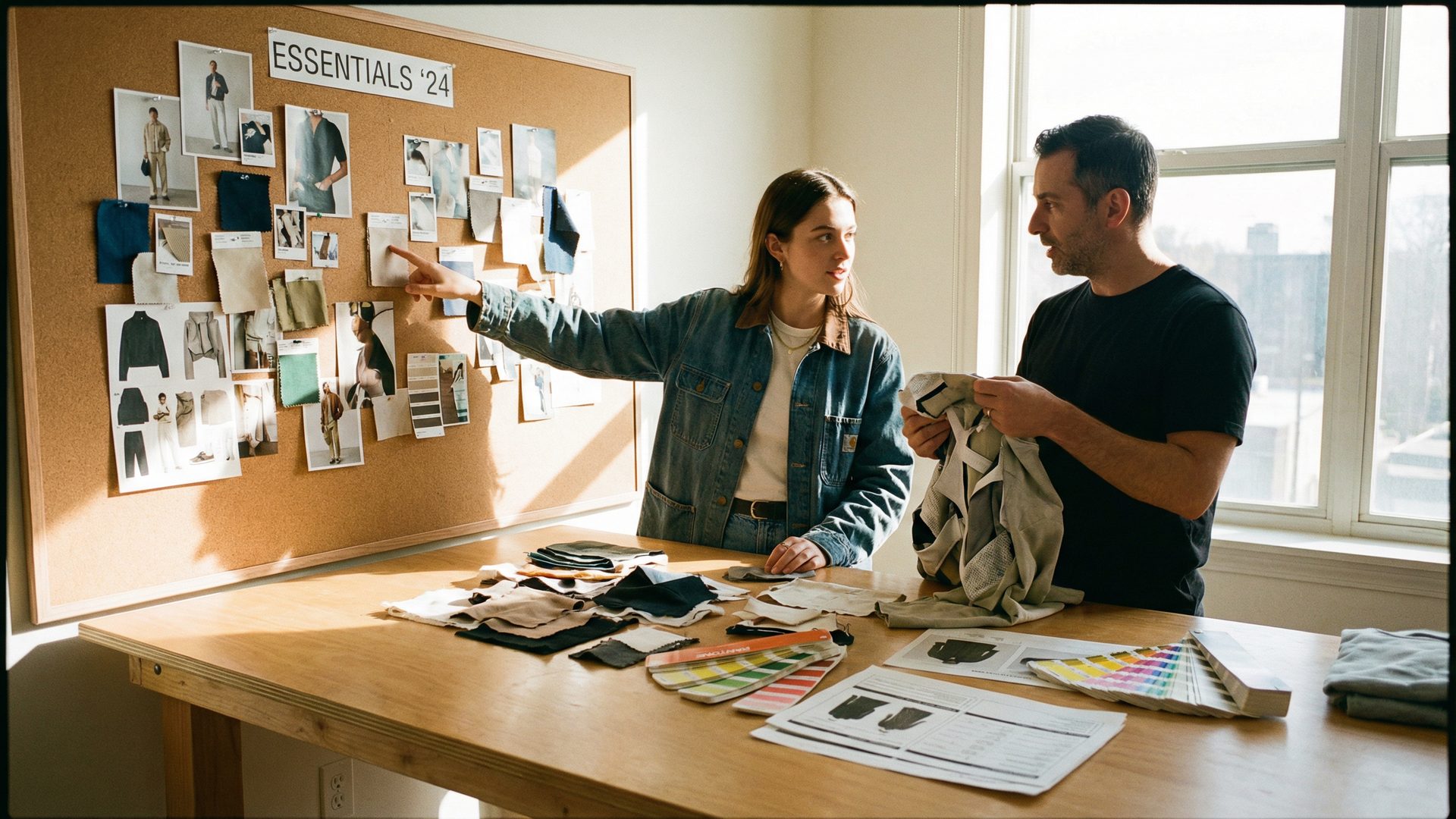
Your job as a founder is to be the architect of the brand. It’s to tell a compelling story, build a fanatical community, and create products that resonate. Your job is not to spend your nights chasing down tracking numbers or arguing about color standards with a factory manager on the other side of the world.
You've outgrown the garage. You've outgrown Alibaba. It's time to build a professional supply chain that can support your ambition. Whether you decide to build your own production team or work with a full-package partner, the principle is the same: you need to invest in expertise. Your brand's future depends on it.
FAQ
Q: How do I know when I've actually outgrown my Alibaba supplier?
A: There are four clear signals. First, you're spending more time managing your supplier than you are building your brand. Second, your product quality is inconsistent from run to run — the fit, the color, or the fabric weight changes without explanation. Third, your supplier is unresponsive or slow to communicate, especially when a problem arises. Fourth, you're being held hostage by minimum order quantities that are either too high to test new styles or too low to get competitive pricing. If two or more of these apply to you, it's time to move on.
Q: Is the Instagram screenshot method actually a real thing?
A: Yes, completely. Sample cards, factory shipping labels, and supplier tags accidentally appear in behind-the-scenes content more often than you'd think. The key is to follow brands that are a few years ahead of you and pay close attention to their raw, unpolished content — factory visits, sample haul videos, and unboxing stories. A quick screenshot and a zoom-in can reveal a factory name, a city, or even a website URL. It's a long shot, but it costs nothing and it works.
Q: What is ImportYeti and how do I use it to find factories?
A: ImportYeti is a free tool that lets you search US Customs import records. Every time a company imports goods into the United States, the shipment is logged in a public database. You can search by company name and see exactly which factories they're importing from, what they're importing, and how frequently. Search for a brand that's a few years ahead of you in your niche, find their factories, and then reach out to those factories directly. It's one of the most underutilized research tools in the industry.
Q: How do I spot a fake LA middleman vs. a legitimate production partner?
A: Ask them directly: "Can you take me on a factory tour?" A legitimate full-package partner will have no problem showing you their facilities or connecting you with their factory partners. A middleman will dodge the question, give you a vague answer about "proprietary relationships," or simply go quiet. Also ask for references from current clients at a similar scale to your brand. A real partner will have a roster of brands they're proud to name. A middleman will give you testimonials from anonymous sources.
Q: What should I look for in a full-package partner?
A: Five things. First, a domestic team — you want to be able to pick up the phone and talk to a real person in your time zone who understands your brand. Second, a vetted factory network — they should be able to tell you exactly which factories they use, what those factories specialize in, and how long they've worked together. Third, design and development capability — a great partner doesn't just manufacture, they help you build better products. Fourth, transparency — they should be able to show you exactly where your product is at every stage of production. Fifth, references — talk to at least two or three of their current clients before signing anything.
Q: Will working with a full-package partner hurt my margins?
A: In the short term, your per-unit cost will be slightly higher than a theoretical, perfectly executed factory-direct relationship. But that comparison is almost never apples-to-apples. When you factor in the cost of your time, the cost of production mistakes, the cost of bad batches, and the cost of missed launch dates, a full-package partner almost always delivers a better financial outcome. More importantly, the consistency and quality they deliver protects your brand's reputation, which is worth far more than a few dollars per unit.
Q: What's the first step to finding a better supplier?
A: Start with research before you make a single call. Use ImportYeti to build a list of factories used by brands you admire. Spend a week on Instagram studying the behind-the-scenes content of your top five competitor brands. Register for the next relevant trade show in your category. And if you're ready to skip the detective work entirely, reach out to a full-package partner who already has the network built. The best partners will be transparent about who they work with and why.