How to Choose the Right Merch Partner for a Touring Artist (And the Red Flags That Mean It's Time to Switch)
How to Choose the Right Merch Partner for a Touring Artist (And the Red Flags That Mean It's Time to Switch)
3 MINUTES
March 5, 2026
It is 11 p.m. on a Tuesday, and you are staring at your inbox. Your artist is headlining a 2,000-capacity venue in Chicago on Friday, the first stop of a 30-date tour, and the merchandise has not arrived. Your current vendor, the one who promised you the world on a 15-minute sales call three months ago, has gone dark. Their last email, a terse one-sentence reply, said the shipment was "in transit." That was yesterday. The tour bus leaves tomorrow morning. Your artist is texting you. The merch person is texting you. The numbers are running through your head: 30 shows, an average of $10,000 in gross sales per night, a 75% artist margin. This is not a small problem. It is a $300,000 problem, and it is your problem.
This is the moment when every artist manager realizes that their merchandise partner is not a vendor. They are a key stakeholder in the single most important revenue stream in their artist's business. In an era where streaming royalties are measured in fractions of a penny, merchandise is one of the last true profit centers in music. A single $40 hoodie sale is the revenue equivalent of over 10,000 streams. For a mid-tier touring artist, the merch table is not a side hustle. It is the business. The average mid-size touring artist now grosses over $10,000 in merchandise sales per show, and for headline acts, that number climbs dramatically higher. A 30-date tour is not just a touring event. It is a $300,000 to $1,000,000 merchandise revenue opportunity, and the quality of your production partner determines whether you capture it or leave it on the table.
And yet, the merchandise industry is a minefield of over-promisers, under-deliverers, and promotional products companies masquerading as full-package apparel partners. The horror stories are universal: late shipments, poor quality garments that fans complain about online, incorrect prints, and a complete lack of strategic guidance. If you are a manager, you have lived this. You have dealt with the fallout. You have spent late nights on the phone trying to track down a shipment of hoodies that should have been a routine order. This guide is for you. It is a framework for evaluating your current merchandise partner, a playbook for choosing a new one, and a set of non-negotiable standards for what a modern, professional merchandise program should look like.
The Promotional Products Trap: Why Your Current Vendor Is Failing You
The fundamental problem is that most merchandise companies are not merchandise companies. They are promotional products distributors. Their business model is built on sourcing the cheapest possible blank garments from a massive catalog and putting a logo on them as quickly as possible. They are designed to serve corporate clients who need 500 cheap t-shirts for a trade show, not a touring artist who needs a retail-quality product line that resonates with their fanbase and performs on the road. This is the Promotional Products Trap, and it is the source of almost every problem you have experienced with your merch program.
The trap is seductive because it looks like a solution. The vendor has a website, a catalog, and a sales rep who answers the phone. They can turn around an order in three weeks and the price per unit looks reasonable on a spreadsheet. What the spreadsheet does not capture is the cost of a fan who buys a $35 t-shirt that shrinks in the wash and posts about it on social media. It does not capture the cost of a sell-out that never happened because the product was not compelling enough to drive impulse purchases at the merch table. It does not capture the cost of a missed tour launch because the shipment arrived four days late. The Promotional Products Trap is not just a quality problem. It is a strategic problem, and it compounds over time.
Here are the tell-tale signs you are in the trap. Your vendor's first question is "what blank do you want to use?" rather than "what is the creative vision for this collection?" They are order-takers, not creative partners. Their primary sales tool is a digital catalog with thousands of SKUs, designed to overwhelm you with choice and mask their lack of a genuine point of view. They cannot provide a detailed, line-by-line production calendar because they are not actually managing the production. They are outsourcing it to the lowest bidder and have no real visibility into the process. They have no in-house design or creative team, which means they can put your logo on a shirt but they cannot help you develop a full collection with a cohesive creative direction. And most critically, they do not understand the touring business. They do not understand the concept of a hard-in-hand date for a tour launch. They are treating your tour like a corporate event, and it is costing you money every single night.
The Full-Package Partner: A Different Model Entirely
A full-package partner is not a vendor. They are an extension of your team. They are a hybrid of a creative agency, a production house, and an ecommerce consultancy, all under one roof. They are designed to manage the entire merchandise lifecycle, from initial concept to the fan's closet, so you can focus on managing your artist's career. The distinction is not subtle. It is the difference between a business that is designed to process orders and a business that is designed to build brands.
Dimension | Promotional Products Vendor | Full-Package Partner |
Creative | Order-taker, logo-placer | Creative partner, brand strategist |
Production | Outsources to lowest bidder | Manages a vetted network of high-quality factories |
Product | Stock blanks from a catalog | Custom garments and curated product lines |
Process | Opaque, no visibility | Transparent, detailed production calendars |
Strategy | None | Trend forecasting, sales data analysis, strategic guidance |
Service | Reactive, transactional | Proactive, relationship-driven |
Ecommerce | None or basic | Full Shopify management, email marketing, drop strategy |
The full-package model changes the economics of your merch program in ways that are difficult to quantify on a per-unit basis but are immediately obvious in your end-of-tour revenue report. When your product is better, your average transaction value goes up. When your creative direction is stronger, your sell-through rate goes up. When your ecommerce store is professionally managed, your online revenue becomes a meaningful year-round income stream rather than a trickle between tours. The right partner does not just sell merchandise. They build a brand, and a brand is worth infinitely more than a catalog of printed blanks.
Case Study: The Wooli Model
Adam Puleo, the DJ and producer known as Wooli, has built one of the most successful and creatively ambitious merchandise programs in the EDM space. The Wooli program, which HH has been a key partner in developing, is a masterclass in how to use merchandise to build a cult following and a serious revenue stream simultaneously.
The strategy is built on a few key pillars that any manager can learn from. First, every Wooli tour features a limited-edition collection that is only available at the merch table. This creates a powerful incentive for fans to buy at the show, knowing that the product will not be available online later. It turns the merch table from a passive retail display into an active, can't-miss experience. Fans who have been to a Wooli show know that if they do not buy the tour hoodie that night, they will not get another chance. That urgency is worth more than any discount or promotion.
Second, the Wooli program does not rely on stock blanks. The majority of the line is built on custom-developed garments: heavyweight hoodies with unique washes, custom-dyed jerseys, and cut-and-sew pieces that feel like they belong in a high-end streetwear boutique. This level of quality justifies a higher price point, drives higher average transaction values, and turns fans into collectors who come back for every new drop. A fan who owns three Wooli hoodies is not just a customer. They are a brand ambassador, and they are advertising the program to every person who asks them where they got that jacket.
Third, the entire Wooli line is built around a consistent visual identity. The mammoth branding is instantly recognizable, and it is applied across a wide range of products in a way that feels creative and intentional, not repetitive. This is the result of a long-term creative partnership, not a series of one-off orders. It is what happens when a manager makes the decision to treat their artist's merchandise program as a brand, not a side hustle.
The Red Flags: When It Is Time to Switch
If you are currently working with a vendor and you are wondering whether it is time to make a change, here are the non-negotiable red flags. Any one of these should prompt a serious conversation. More than two should prompt an immediate search for a new partner.
Late deliveries on a recurring basis. A single late shipment can be forgiven. A pattern of late deliveries is a systems problem that will not improve. Your partner does not have the production infrastructure to manage your program reliably, and no amount of promises will change that.
Quality complaints from fans. If fans are posting on social media about garments that shrink, prints that crack, or stitching that fails, your vendor is using substandard materials and processes. This is not just a product problem. It is a brand problem. Every negative post about your merch is a negative post about your artist.
No proactive communication. A good partner does not wait for you to ask for updates. They send you weekly production reports, flag potential issues before they become problems, and treat your program with the same urgency you do. If you are always chasing your vendor for information, they are not managing your program. You are managing it for them.
No strategic input. If your vendor has never suggested a new product category, a new creative direction, or a new sales strategy, they are not a partner. They are a printer. The right partner should be bringing you ideas, not just executing your orders.
No ecommerce capability. In 2026, a merch program without a strong ecommerce component is leaving significant money on the table. Your online store should be generating meaningful revenue between tours, not just serving as a place to sell leftover inventory. If your vendor cannot manage a Shopify store, run email campaigns, and execute a drop strategy, you need a partner who can.
The Evaluation Framework: 7 Questions to Ask Your Next Merch Partner
When you are ready to make the switch, do not get sold on a slick sales pitch. Get answers to these seven questions. The right partner will have detailed, confident answers. The wrong partner will stumble, deflect, or give you vague reassurances.
"Can you walk me through your production process from start to finish?" They should be able to provide a detailed, step-by-step overview of their entire production process, from initial design brief to final delivery. They should be able to tell you where their factories are, what their quality control process looks like, and how they manage timelines. Vagueness here is a red flag.
"What is your design and creative development process?" A full-package partner should have a dedicated in-house creative team. They should be able to walk you through their process for developing a collection, from mood boards and trend forecasting to graphic design and tech pack creation. Ask to see examples of their design work for other artists in your genre.
"How do you handle tour fulfillment and logistics?" This is a critical question. They need to have a proven system for managing the complexities of a multi-date tour. Ask them how they handle inventory management, shipping to multiple venues, and on-site sales support. If they have not done it before, you do not want to be their test case.
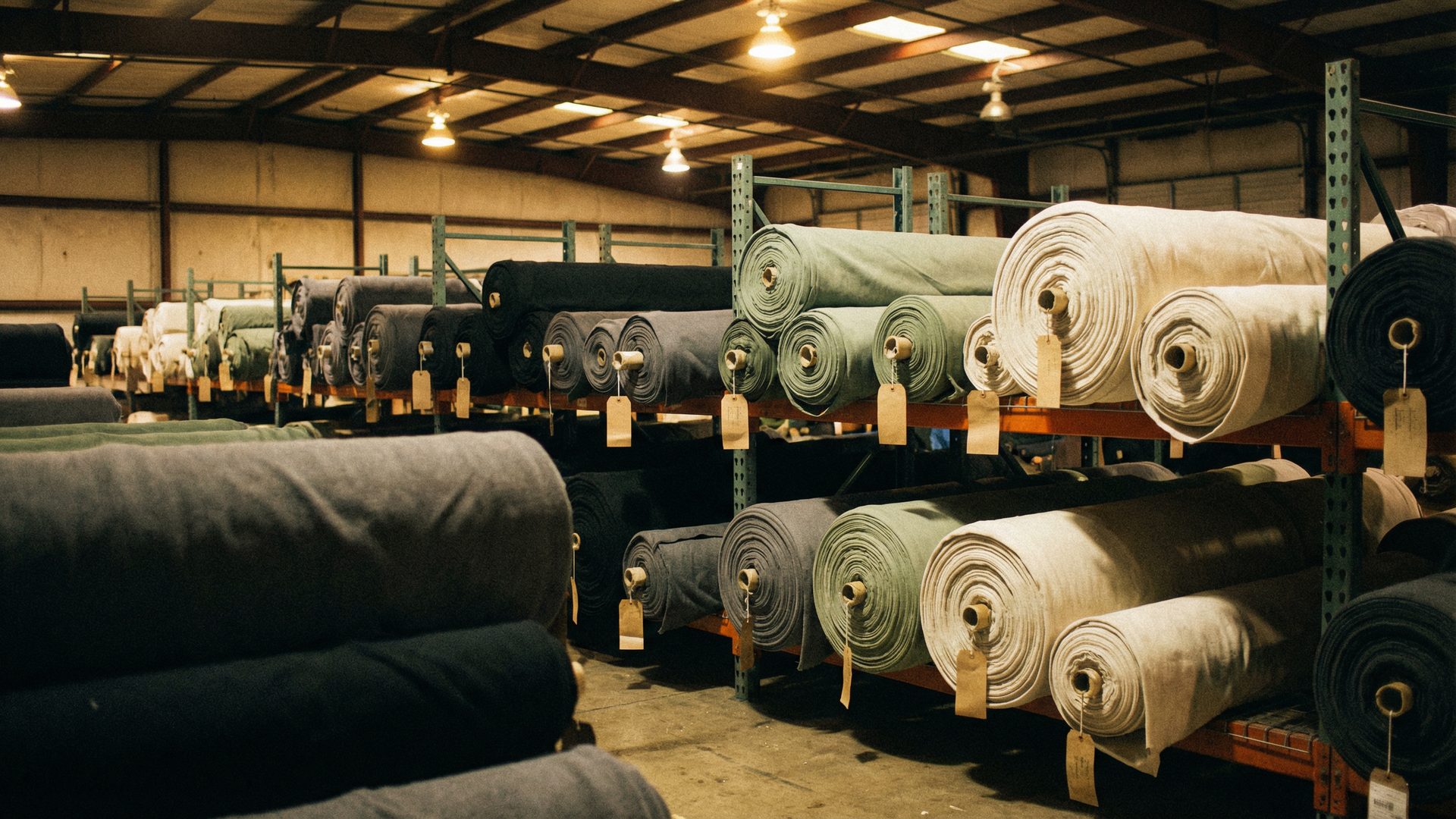
"What are your capabilities for custom garment development?" If you want to create a truly unique product line, you need a partner who can develop custom garments from scratch. Ask them about their experience with cut-and-sew, custom fabric sourcing, and unique dye and wash processes. If they can only print on blanks, they are not a full-package partner.
"What is your ecommerce platform and strategy?" Your online store is a 24/7 revenue stream. Ask them what platform they use, what their capabilities are for store design and management, and how they approach email marketing, social commerce, and post-tour sales strategies. A partner who cannot answer this question in detail is not equipped to manage a modern merch program.
"How do you use data to inform your strategy?" The best partners are data-driven. They should be able to provide you with detailed sales reports from your tour and your online store, and use that data to make strategic recommendations for future collections. Ask them what KPIs they track and how they use that information to help you grow your business.
"Can you provide references from other artist managers?" The ultimate test. A reputable partner will be happy to connect you with other managers they work with. Talk to their clients. Ask them about their experience. The music industry is a small world, and a good reputation is everything.
Building the Program: What a World-Class Merch Operation Looks Like
Once you have the right partner in place, the real work begins. A world-class merch program is not a single collection. It is a system, and it has several distinct components that work together to maximize revenue across every channel.
The foundation is a core touring collection: a tight, curated set of 4-6 products that represent the artist's brand at its best. This is not the place to experiment with unusual product categories or complex designs. It is the place to execute the fundamentals at the highest possible level. A heavyweight hoodie in two colorways, a graphic tee, a fitted cap, and one unique accessory. These are the products that will drive the majority of your tour revenue, and they need to be exceptional. The quality of the garment, the precision of the print, and the coherence of the creative direction are what separate a sell-out from a table full of leftover inventory at the end of the night.
Layered on top of the core collection is the tour-exclusive strategy. One or two products that are only available at the merch table, never online, never again after the tour ends. These are the products that create urgency, drive impulse purchases, and give fans a reason to buy at the show rather than waiting to order online. They should be the most creative, most premium products in the collection, because they are the ones that fans will keep and talk about for years.
The ecommerce layer is where the long-term revenue lives. A well-managed online store, running on Shopify with a professional design and a consistent email marketing program, can generate meaningful revenue year-round, not just during tour cycles. The post-tour "vault" strategy, where a small amount of leftover tour inventory is released online as a limited sale, is one of the most effective tools in the playbook. It creates a sense of scarcity, rewards fans who missed the tour, and generates a revenue event that can drive thousands of dollars in sales in a single day.
The HH Partnership: What Full-Package Looks Like in Practice
At HH, we have built our entire business around the full-package model. We are a team of brand strategists, designers, and production experts who have spent years building merchandise programs for touring artists, and we understand the nuances of this business in a way that a promotional products vendor never will. We have built the programs for some of the most respected names in the EDM and festival space, including Wooli and Marshmello, and we bring that experience to every partnership we take on.
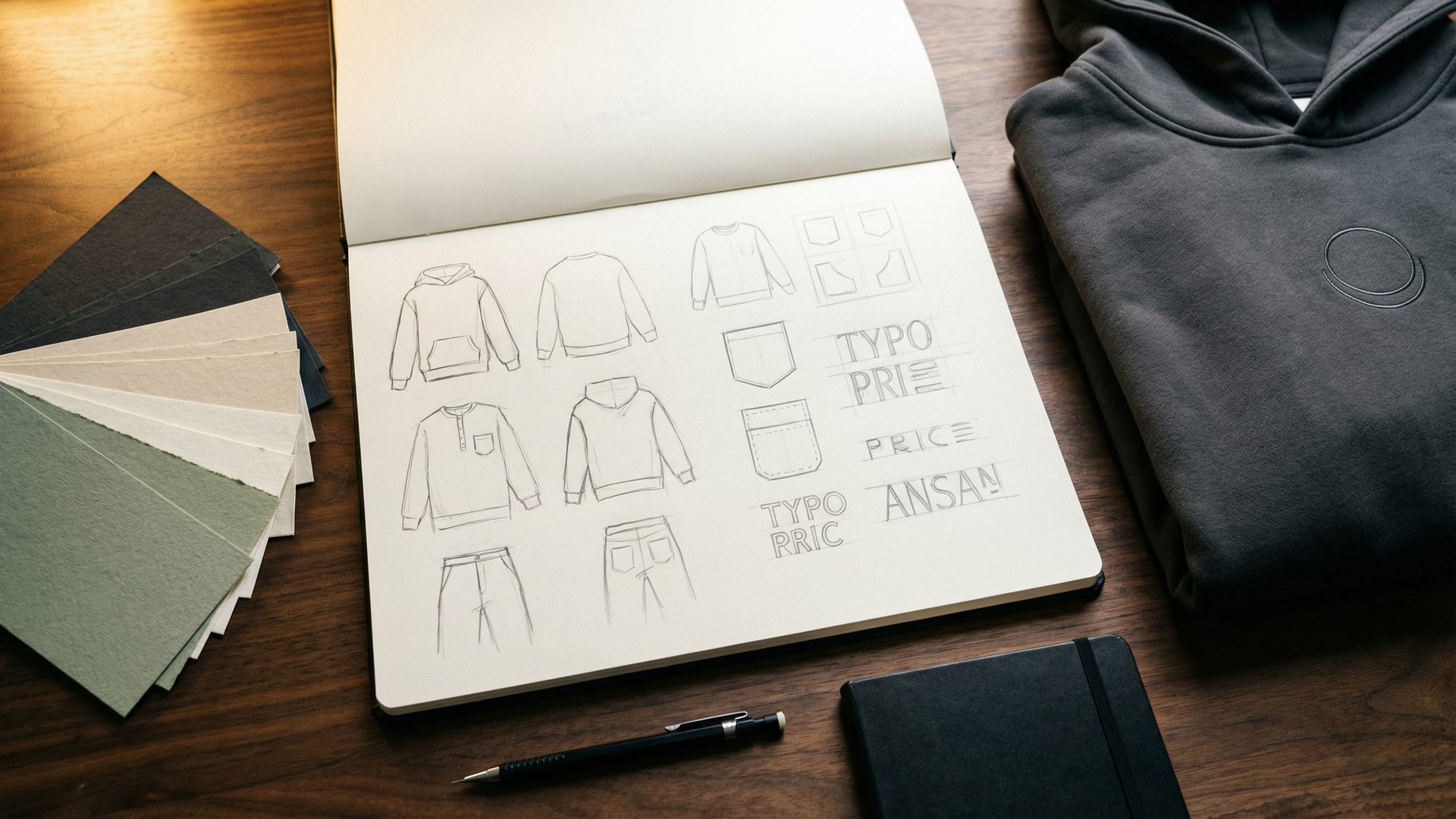
Our process starts with a creative brief, not a catalog. We sit down with you and your artist, understand the brand, the fanbase, and the creative vision, and we develop a collection that feels like an authentic extension of the music. We manage the entire production process, from fabric sourcing and garment development to printing, finishing, and logistics. We provide a detailed production calendar with hard dates, and we communicate proactively at every stage. We do not wait for you to ask for updates. We send them before you need to ask.
On the ecommerce side, we manage your Shopify store as a full-service operation, including store design, product photography, email marketing, and drop strategy. We use sales data from every tour and every online release to make strategic recommendations for the next collection. We treat your program as a business, not an order, and we measure our success by the same metrics you do: sell-through rate, average transaction value, and total program revenue.
If you are ready to move out of the Promotional Products Trap and into a partnership that is built for the touring business, we would like to talk. The conversation starts at hunterharms.com.
The Marathon, Not the Sprint
The best merch programs in the music industry are not built in a single tour cycle. They are built over years, through a consistent creative vision, a deepening relationship with the fanbase, and a production partner who is invested in the long-term success of the program. The managers who understand this are the ones whose artists have merchandise programs that generate meaningful revenue year-round, not just during the weeks when the tour is active.
The decision to switch partners is not a small one. It requires a transition period, a new creative brief, and a new set of relationships. But the cost of staying with the wrong partner compounds every single night. Every show where your merch table is understocked, every fan who buys a product that disappoints them, every online sale that does not happen because your store is not optimized, every tour launch that is delayed because your vendor could not hit a deadline. These are not small costs. They are the difference between a merch program that is a burden and one that is a business.
You have already done the hard part. You have built an artist with a fanbase that wants to buy their merchandise. Now it is time to build the program that deserves that fanbase.
Frequently Asked Questions
What is a realistic timeline for a custom merchandise collection?
For a full collection involving custom cut-and-sew garments, the process typically takes 90-120 days from initial design concept to final delivery. This includes time for fabric sourcing, sample development, revision, production, and shipping. For a tour with a fixed start date, work backward from that date and add two weeks of buffer. Plan accordingly and do not wait until 60 days out to start the conversation with your partner.
What are the most common mistakes artists make with their merch programs?
The most common mistake is choosing the wrong partner and getting stuck in the Promotional Products Trap. The second most common is underinvesting in design. Your merchandise is a reflection of your brand, and it needs to be as creative and intentional as your music. The third most common mistake is treating the online store as an afterthought rather than a year-round revenue channel.
Should we offer a wide variety of products or a few core items?
Start with a tight, curated collection of 4-6 core items: two t-shirts, a hoodie, a hat, and one unique accessory. It is better to sell out of a few great items than to be left with a mountain of unsold inventory across a dozen different SKUs. Use your sales data from each tour to expand the line strategically over time.
How important is having a US-based production partner for a touring artist?
For touring artists with hard-in-hand dates, domestic or near-shore production is significantly more reliable than overseas manufacturing. The logistical headaches, communication barriers, and shipping delays of overseas production often outweigh the cost savings, particularly when a missed deadline means a missed tour launch. A US-based partner with a vetted network of domestic and near-shore factories can provide a much higher level of reliability and responsiveness.
What is the right revenue model for a full-package merch partnership?
In a true full-package partnership, the partner's compensation should be structured to align incentives. This could be a percentage of gross merchandise revenue, a project-based fee per collection, or a hybrid model combining a base production cost with a performance component. The key is to structure a deal that makes the partner a genuine stakeholder in the success of the program, not just a vendor processing orders.