The Tour Merch Playbook: How Artist Managers Can 3X Merch Revenue
This is the playbook for managers who are ready to stop just selling merch and start building a merchandise business. It is a system for leveraging a full-package partner to handle the operational headaches, professionalizing your on-the-ground sales strategy, and using the tour as a marketing engine to triple your e-commerce revenue.
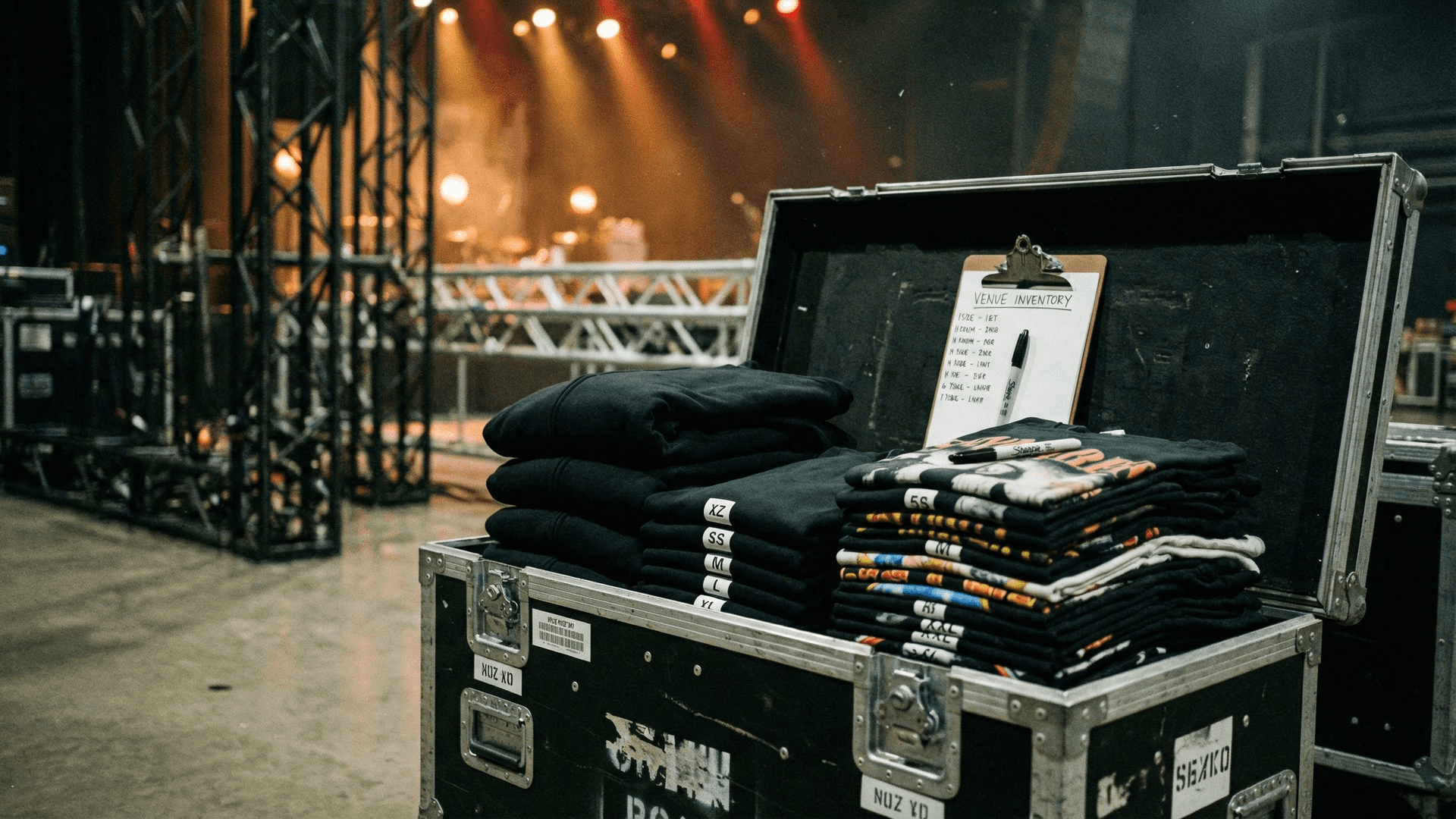
The Tour Merch Playbook: How Artist Managers Can 3X Merch Revenue
3 MINUTES
February 26, 2026
The house lights go down. The roar of the crowd is deafening. For the next 90 minutes, the artist owns the stage, delivering a performance that fans will remember for years. But for you, the manager, the work is never just about the show. It is about the hundred other details that make the tour a success, and one of the most critical—and often most chaotic—is the merchandise operation. You see the long line at the merch table, the frantic fumbling for cash and credit cards, the sold-out sizes, and you know you are leaving money on the table. A lot of it.
For most touring artists, merchandise is treated as a necessary but painful logistical burden. It is a world of missing boxes, questionable quality, and tour managers doubling as warehouse workers. But what if you could transform your merch operation from a chaotic cost center into a professional, predictable, and highly profitable revenue stream? What if you could not only sell more at the venue but also use the tour to ignite a thriving e-commerce business that generates revenue long after the last encore?
This is the playbook for managers who are ready to stop just selling merch and start building a merchandise business. It is a system for leveraging a full-package partner to handle the operational headaches, professionalizing your on-the-ground sales strategy, and using the tour as a marketing engine to triple your e-commerce revenue.
The Problem: Why Most Touring Merch Operations Fail
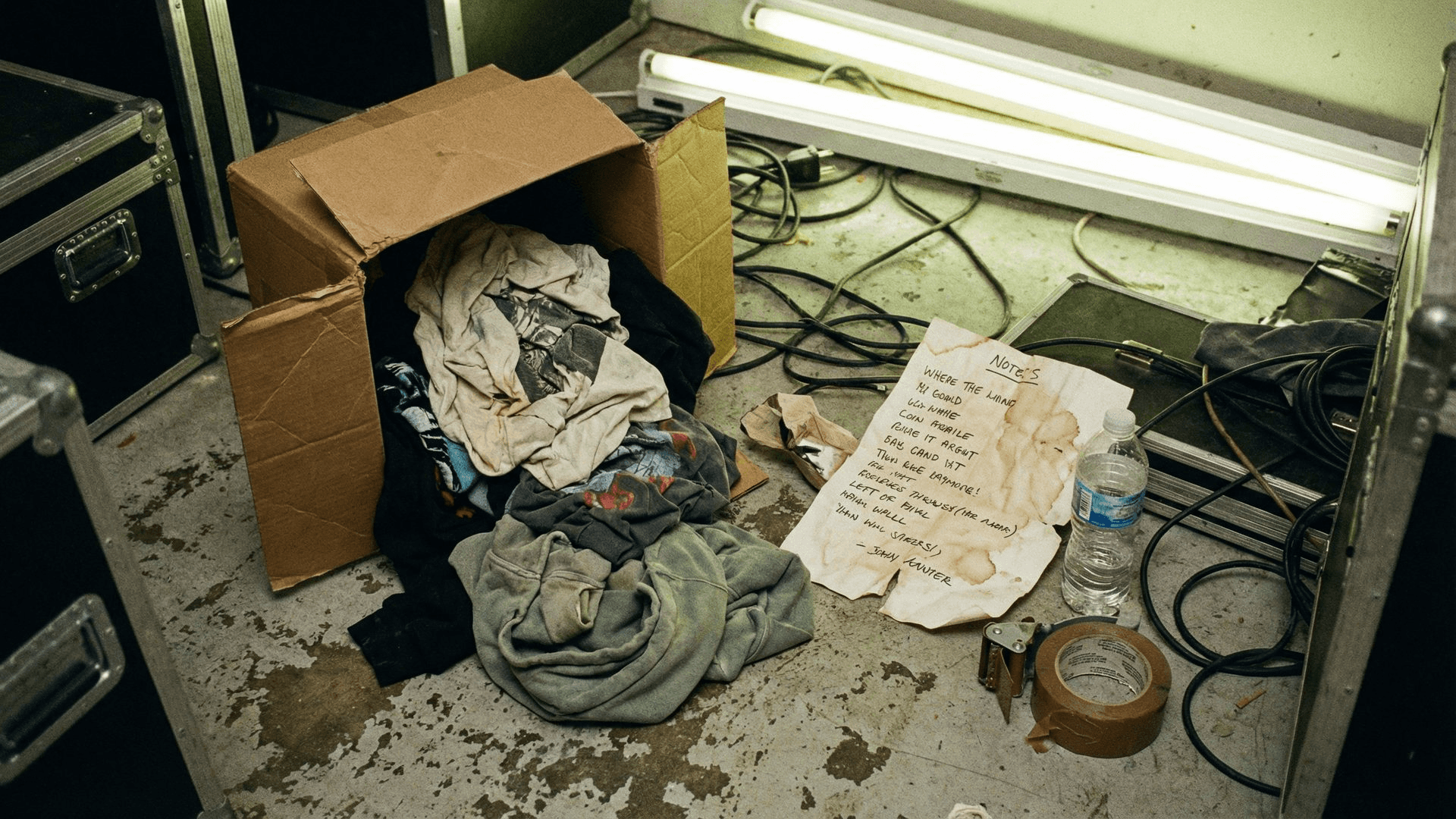
Before we can fix the model, we have to be honest about why it is broken. Most touring merch programs are a logistical and financial nightmare, plagued by a set of recurring, predictable problems.
•Inconsistent Quality: In the rush to get something—anything—ready for a tour, quality often takes a backseat. You end up with generic, low-quality blanks that do not reflect the artist’s brand, leading to fan disappointment and a product that gets worn once before being relegated to the back of the closet. This is not just a missed sale; it is a missed opportunity to build a lasting brand connection. A partner who lives and breathes product can ensure every garment feels like a deliberate extension of the artist's brand, not a cheap souvenir.
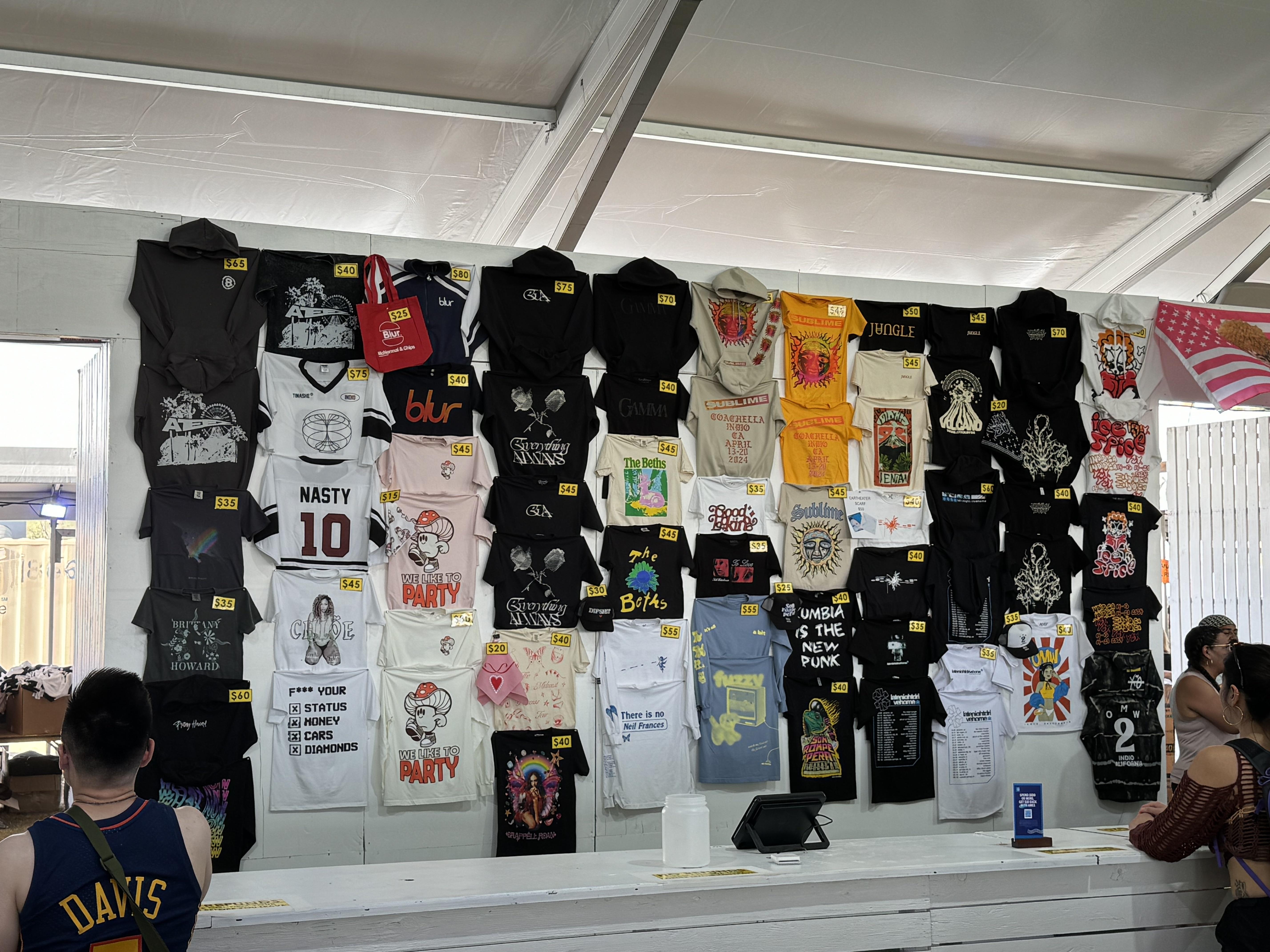
•The Venue Bottleneck: The traditional merch table is a fundamentally inefficient sales channel. Long lines, limited payment options, and overwhelmed staff create a poor fan experience and actively suppress sales. Every fan who gives up on the line is lost revenue. The standard venue merch split (typically 20-30%) is a significant margin hit, but it is often a necessary cost of doing business on the road. The key is not to avoid it, but to maximize the revenue you generate within that environment.
These problems all stem from a single root cause: treating merchandise as a tactical afterthought rather than a strategic business unit. To fix it, you need a partner who can provide the operational backbone, allowing you to focus on strategy, not spreadsheets.
The Solution: The Full-Package Partner & The Logistical Backbone
A full-package partner is the single most effective way to professionalize your merchandise operation. They act as your outsourced, expert apparel team, handling every aspect of the process from design to delivery. This is not just a printer; it is a strategic partner who manages the entire supply chain, freeing you to focus on the big picture.
Here is what a true full-package partnership looks like:
•Product & Brand Strategy: They work with you to develop a cohesive collection that feels authentic to the artist, from premium heavyweight hoodies to custom-dyed vintage tees. They help you build a brand, not just a graphic.
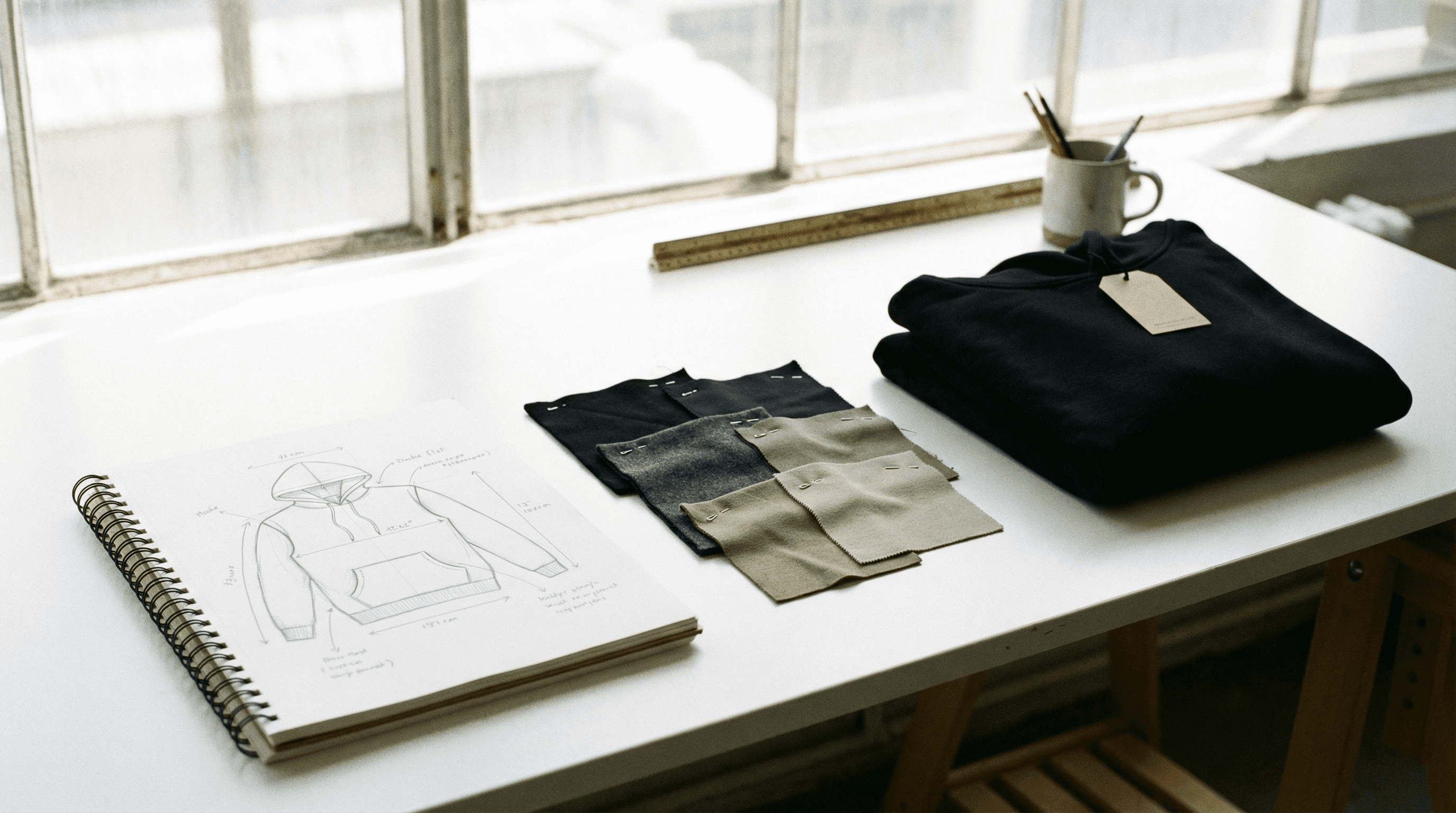
•Design & Development: They translate your vision into production-ready tech packs, manage sampling, and ensure the fit and quality are perfect before a single piece is made.
•Production & Quality Control: They manage a network of vetted factories, ensuring your product is made to the highest standards, on time and on budget.
But the real game-changer for a touring artist is the logistical backbone a partner provides. This is where the chaos is replaced with calm, predictable execution. A sophisticated partner can:
•Manage Centralized Warehousing: Instead of shipping your entire tour inventory to your office or a storage unit, your partner holds it in a professional, insured warehouse. This is your central hub for the entire tour.
•Execute Split Shipments to Venues: Before each leg of the tour, your partner picks and packs the exact amount of inventory needed for each specific venue and ships it directly. No more tour managers hauling boxes. The right product arrives at the right place, every time.
•Coordinate Venue-to-Venue Transfers: Did you sell out of mediums in Chicago but have extra in Detroit? A good partner can coordinate the logistics of transferring stock between venues, ensuring you maximize your sell-through and minimize dead stock.
•Handle E-commerce Fulfillment: The same centralized warehouse that feeds your tour also fulfills your D2C e-commerce orders. This integration is critical. It means you have a single, unified view of your inventory, and you can easily allocate stock between your tour and your online store.
By offloading the entire operational burden to a partner, you transform your role from a stressed-out logistics coordinator into a strategic brand manager. Your job is no longer to count t-shirts; it is to build a business.
The Professional Program: Quality & Planning Over Speed & Convenience
With a partner managing the logistics, you can finally focus on what truly moves the needle: building a professional-grade merchandise program. This means shifting your mindset from short-term convenience to long-term value. The difference between a merch line that sells out every night and one that ends up in a clearance bin comes down to two things: quality and planning.
The Myth of Quick-Turn Blanks: The default for most tour merch is to find a local screen printer and run a graphic on whatever blank t-shirts and hoodies they have in stock. This is fast and easy, but it is a strategic dead end. The product is generic, the quality is average, and it does nothing to build the artist’s brand. Fans can feel the difference between a cheap, scratchy tee and a premium, soft, heavyweight garment. A professional program recognizes that the product itself is the marketing.
The Power of Cut-and-Sew: The next level is a full cut-and-sew program. This is where you are not just printing on a blank, but creating a custom garment from scratch. You are choosing the fabric, dialing in the fit, and specifying every detail from the stitching to the wash. This is how you create a product that is truly unique to the artist and can command a premium price. A $100 heavyweight, custom-dyed hoodie with subtle embroidery has a much higher perceived value (and a much higher margin) than a $60 screen-printed Gildan. The key is planning. A cut-and-sew program requires a longer lead time (typically 12-16 weeks) because it often involves overseas production, but the payoff in product quality and brand equity is immense. A partner with a global factory network can manage this process for you, making it as seamless as a domestic print run.
The E-commerce Engine: How the Tour Fuels Your Online Store
The biggest mistake managers make is viewing tour merch and e-commerce as separate businesses. The tour is not just a series of sales events; it is the single most powerful marketing engine you have for your online store. Every show is an opportunity to acquire thousands of new customers for your D2C business, where your margins are highest and you own the customer relationship completely.
Here is how to build a system where the tour and your online store work together:
•The Scarcity & Exclusivity Play: Your tour merch should be a limited, collectible item. But your online store should offer a broader, evergreen collection of the artist’s brand. Use the tour to sell exclusive, date-stamped items that will never be available again. Then, use QR codes at the merch table to drive fans to your online store where they can buy the core collection. This creates a powerful sense of urgency at the venue while building a sustainable, long-term business online.
•Capture Emails, Not Just Sales: Every merch transaction is an opportunity to capture a customer’s email address. Whether you use the venue’s POS or a simple email signup sheet at the table, building your email list is one of the most valuable activities you can do on tour. An email list allows you to announce new product drops, promote album releases, and build a direct line of communication with your most dedicated fans. An email subscriber is worth far more than a one-time cash buyer.
•The Post-Show Follow-Up: For every fan who buys a ticket, you have their email. Use it. The day after the show, send a thank-you email with a link to the online store, perhaps with a small, time-limited discount. They are at the peak of their post-show excitement; this is the perfect moment to convert that energy into an online sale.
By integrating your touring and e-commerce strategies, you create a powerful flywheel. The tour drives awareness and customer acquisition for the online store. The online store provides a high-margin, long-term revenue stream that is not dependent on the tour schedule. This is how you build an eight-figure merchandise business, not just a seven-figure tour.
Ready to professionalize your artist’s merchandise program? Download our free Tour Merch Financial Planner to model your potential revenue and profit.
Conclusion: From Tour Manager to Business Manager
Building a successful merchandise program is about a fundamental shift in mindset. It is about seeing merch not as a logistical burden, but as a core pillar of the artist’s business. It is about understanding that a $50 hoodie is not just a sale; it is a walking billboard, a declaration of fan identity, and a tangible connection to the artist they love. By professionalizing your operation with a partner who can manage the complex logistics of a national tour, shifting your product strategy from convenient blanks to premium cut-and-sew, and building a powerful e-commerce engine, you can transform your merchandise program from a source of stress into a source of significant, sustainable profit. You can stop being just a tour manager and start being a business manager, building a valuable asset that will support the artist’s career for years to come.
FAQ: Touring Merchandise for Artist Managers
What is a realistic merch revenue goal per head at a show?
A well-run merch operation should aim for a per-head spend of $5 to $10. For a 2,000-capacity venue, that translates to $10,000 to $20,000 in gross revenue per night. The key drivers are product quality, assortment, and an efficient sales process.
What is a standard venue merchandise split?
Most venues take a 20-30% cut of gross merchandise sales. While this is a significant margin hit, it is a standard cost of doing business on the road. The most effective way to counter this is to sell premium, higher-margin products and drive fans to your D2C store where you keep 100% of the margin.
How far in advance do I need to plan for tour merchandise?
For a professional, cut-and-sew program, you need to start planning at least four to six months before the first show date. This allows for proper product development (4-6 weeks), sampling (4-6 weeks), and bulk production (8-12 weeks) without incurring rush fees or compromising on quality. If you are just printing on domestic blanks, you can do it in 4-6 weeks, but you sacrifice quality and margin.
What are the best-selling items on tour?
Typically, the best-sellers are a core graphic tee featuring the tour name and dates, and a premium, comfortable hoodie. These two items will often account for 60-70% of your total sales. Offering a lower-priced accessory like a hat or a poster is also a good way to capture sales from fans at a lower price point.
How do I handle leftover inventory after the tour?
Leftover inventory should be immediately integrated into your online store. A common strategy is to market it as a “Last Chance” or “Tour Vault” collection, creating a sense of scarcity that can drive a quick sell-through. A good full-package partner can also help you plan your production runs to minimize overstock in the first place.