The EDM Merch Playbook: How to Build a Program That Actually Makes Money
A definitive guide for EDM artists and managers on how to build a profitable merchandise program — covering product strategy, business models, touring, ecommerce, and partner selection.

The EDM Merch Playbook: How to Build a Program That Actually Makes Money
3 MINUTES
March 4, 2026
For the modern EDM artist, merchandise is no longer a nice-to-have. It is a core revenue stream, a primary brand-building tool, and one of the most direct connections you have with your fanbase. In a genre defined by intense community and a relentless touring schedule, a great merch program is not just a business imperative. It is a cultural one. The artists who are winning are the ones who have stopped thinking about merch as a side hustle and started treating it like a serious, professionally managed business.
But for most artists and their managers, the reality of running a merch program is a chaotic mess. It is a world of unreliable vendors, missed deadlines, quality control nightmares, and a constant, nagging feeling that you are leaving money on the table. You are trying to manage a creative process, a global supply chain, a touring logistics operation, and a direct-to-consumer ecommerce business, all while trying to produce and perform music at the highest level. It is an impossible task for a small team.
This is the definitive guide for the EDM artist and manager who are ready to get serious about merchandise. It is a playbook for building a program that is not just profitable, but brand-accretive. It covers the product strategy that actually works in the EDM space, the business models that make the most sense at different career stages, the ecommerce and touring infrastructure you need to scale, and the partner requirements for a program that can grow from your first club tour to a main stage slot at EDC. Whether you are just starting out or you are looking to level up an existing program, this is the playbook you need.
The EDM Merch Trap: Why Most Programs Fail
Before we get into the playbook, we need to talk about the trap. The EDM Merch Trap is the default state for most artists, and it is the reason why so many programs fail to ever reach their full potential. The trap is a combination of three things: a reliance on the wrong business model, a partnership with the wrong type of vendor, and a fundamental misunderstanding of what the modern EDM fan actually wants to buy.
The traditional merch deal in the music industry is a revenue-share model. A large, established merch company pays the artist an advance, and then handles everything: design, production, logistics, and sales. In exchange, they take a significant percentage of the gross revenue, often as high as 70-80%. For a legacy rock band with a massive back catalog and a predictable touring schedule, this model can make sense. For a rising EDM artist, it is a disaster. You are giving up the majority of your revenue, you have little to no creative control, and you are stuck with a partner who is using the same generic blanks and the same uninspired designs for every artist on their roster. You are a rounding error in their business model, and your merch program will reflect that.
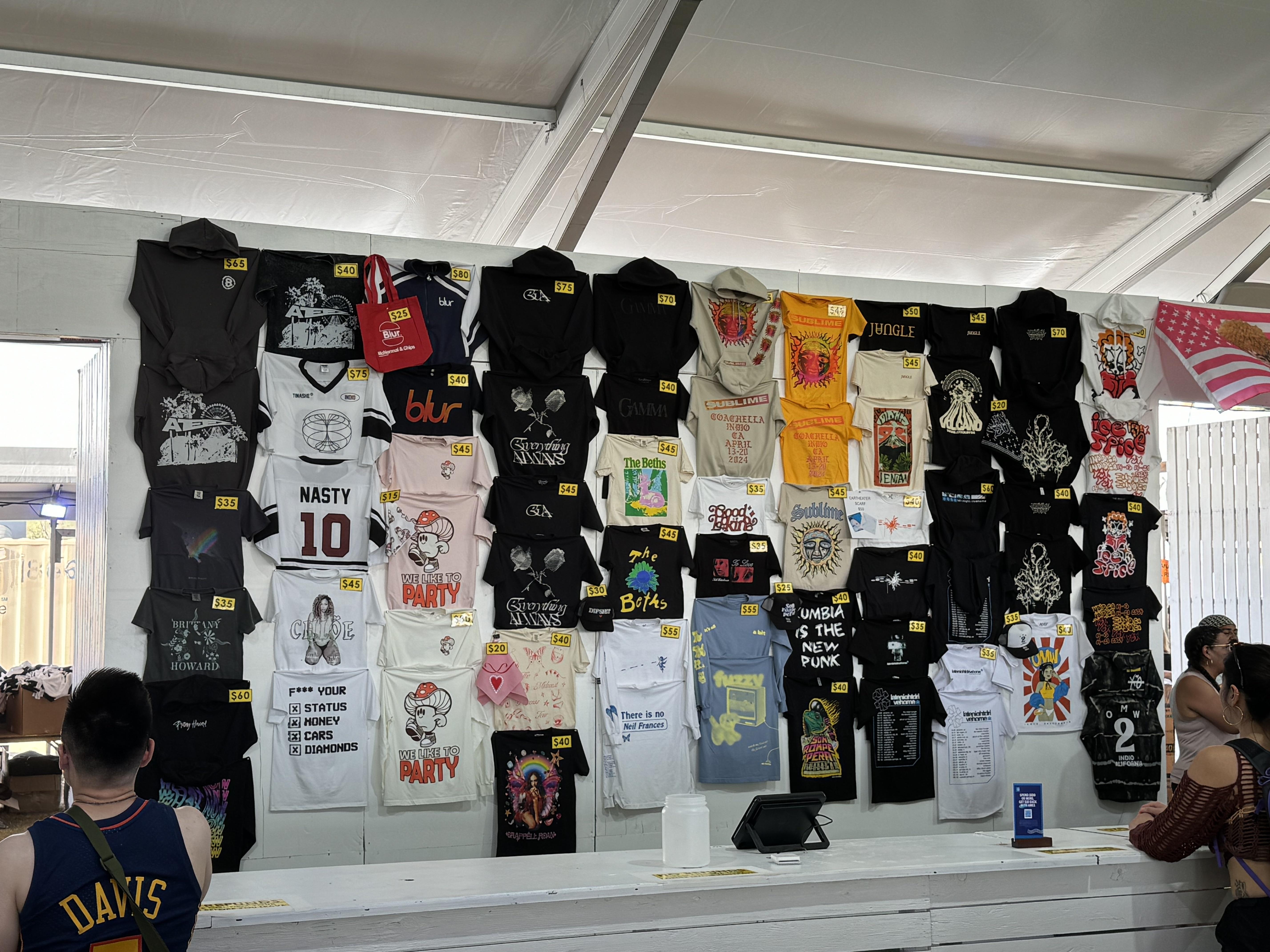
This leads to the second part of the trap: the product itself. The modern EDM fan is not interested in a generic, low-quality t-shirt with a screen-printed logo. They are a part of a deeply visual and brand-literate culture. They are wearing custom-designed hockey jerseys, intricately embroidered pashminas, and heavyweight, garment-dyed hoodies that feel like they belong to a real fashion brand. They are willing to pay a premium for a product that is well-designed, well-made, and that signals their belonging to a specific community. A cheap, generic t-shirt does not just fail to sell. It actively damages your brand.
The Two Business Models: Revenue Share vs. Ownership
The single most important decision you will make about your merch program is the business model. There are two fundamentally different approaches, and choosing the wrong one will cost you a significant amount of money and creative control.
The first is the traditional revenue-share model. A merch partner pays you an advance against future royalties, handles all production and logistics, and takes a percentage of every sale, typically between 60% and 80% of gross revenue. The appeal is obvious: you get cash upfront and you do not have to manage the operational complexity. The downside is equally obvious: you are giving away the majority of your revenue, you have limited creative control, and you are dependent on a partner whose incentives are not aligned with yours. They want to minimize production costs and maximize volume. You want to maximize quality and brand equity.
The second is the modern fee-for-service ownership model. You pay a partner for the design and production of your merchandise, and you own the inventory and the customer relationship outright. You sell through your own ecommerce store and at your own merch table, and you capture 100% of the gross margin on every sale. The upside is significant: full creative control, full margin ownership, and full customer data ownership. The downside is that you need to invest capital upfront and manage more operational complexity.
Business Model | Revenue Share | Fee-for-Service (Ownership) |
|---|---|---|
Creative Control | Low to none | Complete |
Revenue Captured | 20-40% of gross | 100% of gross (minus COGS) |
Inventory Ownership | Partner | Artist |
Customer Data | Partner | Artist |
Upfront Investment | Low (advance received) | Moderate to high |
Best For | Legacy artists, low operational capacity | Growth-minded artists building a real brand |
For most EDM artists at the emerging to mid-tier level, the fee-for-service model is the right choice. The margin difference alone is transformative. A hoodie that costs $30 to produce and sells for $100 generates $70 in gross profit for your business under the ownership model. Under a 75% revenue-share deal, that same hoodie generates $25. Over the course of a 50-show festival season, that difference is the difference between a merch program that breaks even and one that generates hundreds of thousands of dollars.
The EDM Product Playbook: What Actually Sells
Building a successful EDM merch program starts with understanding the specific product categories that resonate with the fanbase. This is not a one-size-fits-all formula. The right product mix will depend on your specific sub-genre, your artist's brand identity, and the cultural context of the festivals you are playing. But there are a few core product categories that are the foundation of almost every successful program in the space.
The Hero Product: The Hockey Jersey
For a huge segment of the EDM world, particularly in the bass music scene, the hockey jersey is the undisputed hero product. It is the single most coveted, most brand-defining, and most profitable item in the modern EDM merch arsenal. A well-designed, well-executed hockey jersey is not just a piece of merchandise. It is a status symbol, a collector's item, and a piece of cultural infrastructure. Fans will wear them to every show, they will trade them in online communities, and they will build their entire festival identity around them.
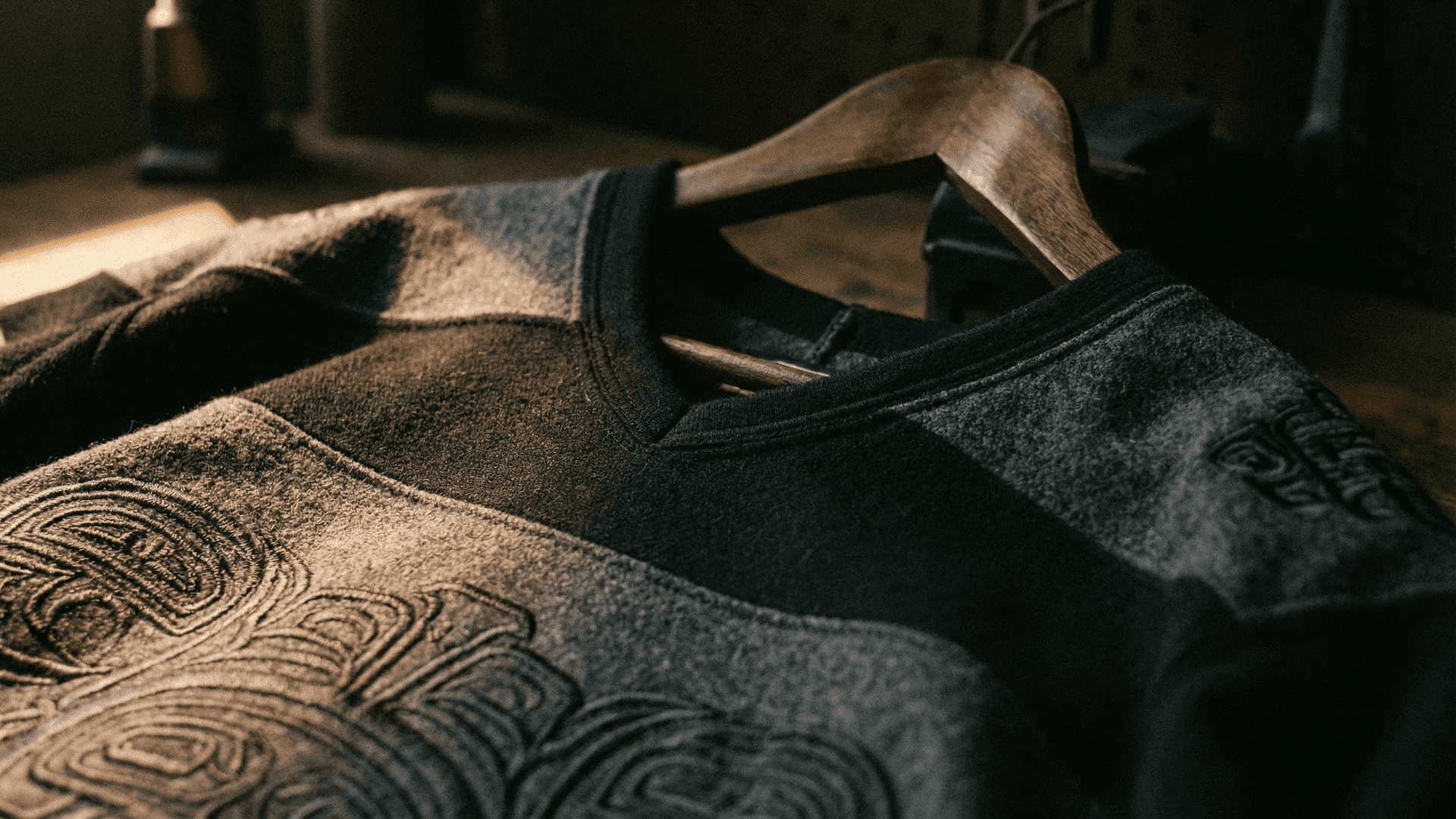
The key to a successful hockey jersey program is to treat it like a real piece of athletic apparel, not a costume. This means investing in a custom cut-and-sew garment with multiple panels, embroidered logos, and high-quality trim. This is not a product you can produce on a standard blank. It requires a partner with a deep understanding of garment construction and a supply chain that can handle complex, multi-stage production. The price point for a premium hockey jersey can be anywhere from $120 to $200, and at that price, the fan expectation for quality is extremely high. But the margin is also extremely strong, and a successful jersey drop can be a six-figure revenue event on its own.
The Core Collection: Hoodies, Tees, and Headwear
Surrounding the hero product should be a tight, coherent collection of core items that offer a range of price points and styles. The foundation of this collection is the heavyweight hoodie. Quality is non-negotiable here. The standard is a 400-500 GSM garment-dyed fleece with a unique graphic that is instantly recognizable as a piece of your artist's brand. This is the item that will be your most consistent seller, both online and at shows.
Next are the graphic tees. The key is to offer a small, curated selection of 2-3 designs, rather than a sprawling catalog of a dozen different options. Each design should feel intentional and connected to the overall creative vision of the collection. A soft, well-fitting tee with a water-based print that feels like part of the fabric will be worn for years. A cheap, scratchy tee with a thick, cracking plastisol print will be worn once and then forgotten.
Finally, there is headwear. A simple, well-designed snapback or beanie is one of the easiest and most profitable items you can add to your collection. The production cost is low, the margin is high, and it is an easy impulse purchase for a fan at the merch table.
The Community Builders: Pashminas, Flags, and Accessories
The final category of products are the community builders. These are the items that are less about individual style and more about collective identity. For a huge part of the EDM community, the pashmina is a cultural uniform. A custom-designed pashmina with a unique pattern or graphic is a powerful way to give your fans a way to signal their belonging to your community. The same is true for flags. A large, well-designed flag that fans can fly at their campsite or hold up in the crowd is a powerful piece of marketing and a strong community-building tool.
This category also includes smaller, lower-priced accessories like enamel pins, stickers, and wristbands. These are the items that allow a fan to participate in your brand for a lower price point, and they are a great way to drive incremental revenue at the merch table.
Case Study: The Wooli Model
Wooli's merch program is the gold standard for a modern EDM artist, and it is a perfect case study in how to execute this playbook at the highest level. The program is built around a series of limited-edition drops, each one anchored by a hero product, usually a hockey jersey or a premium hoodie. The collections are designed in close partnership with the HH team, with a focus on a coherent creative vision, a tight color palette, and a production standard that is second to none.
The Wooli hockey jerseys are a masterclass in product design and brand building. Each one is a custom cut-and-sew garment with intricate embroidery, multiple panels, and a level of detail that is closer to a real NHL jersey than a piece of tour merchandise. They are released in limited quantities, they sell out almost instantly, and they are a constant presence at every festival Wooli plays. This is not an accident. It is the result of a deliberate, long-term strategy to build a hero product that is so compelling that it becomes a piece of the culture itself.
The core collection of hoodies, tees, and headwear is equally well-executed. Every garment is built to a premium standard, and every design feels like a deliberate piece of the Wooli world. The program is a direct reflection of the artist's identity, and that coherence is what makes it so powerful.
The Touring and Ecommerce Infrastructure
A great product is only half the equation. The other half is the infrastructure that gets that product in front of fans, both at shows and online. This is where most programs fall short, and it is where the biggest revenue opportunities are being left on the table.
The Touring Operation
On the touring side, the key is to treat your merch table like a retail store, not an afterthought. This means having the right product mix for each specific show, having enough inventory to last the entire night without running out of your best-selling items, and having a display that is visually compelling and easy to shop. Most major festivals have a centralized merch operation that handles on-site sales. You will deliver your inventory to their merch tent, and their staff will handle the transactions. The key is to have a partner who can manage that relationship, ensure your products are displayed properly, and reconcile the sales data with the final payout.
For headline club shows and smaller tours, you are typically managing your own merch table. This means having a dedicated merch person who is responsible for setup, sales, and inventory management. It also means having a point-of-sale system that can handle card payments, track inventory in real time, and sync with your ecommerce store so you always have an accurate picture of your total inventory position.
The Ecommerce Operation
Your ecommerce store should be a year-round revenue engine, not a place to dump leftover tour inventory. The best programs in the EDM space are running a constant cadence of drops, vault releases, and online-exclusive items that keep the fanbase engaged and buying between tours. This means having a Shopify store that is well-designed, easy to navigate, and optimized for conversion. It means having an email list that you are actively building and engaging. And it means having a drop strategy that creates urgency and excitement every time you release something new.
The most powerful tool in the ecommerce arsenal is the limited drop. A limited drop is a time-bound, quantity-limited release of a specific product or collection. The scarcity and urgency of a limited drop will drive significantly more sales than an always-available product. It also creates a cultural moment around the release that generates organic social media coverage and word-of-mouth marketing. The best EDM programs are running 4-6 drops per year, each one anchored by a hero product and supported by a full marketing campaign.
The Management Challenge: Juggling the Moving Parts
For the artist manager, the challenge is not just in understanding this playbook. It is in executing it. A program of this scale has a staggering number of moving parts. You are managing a creative process with designers and artists. You are managing a production process with factories and fabric suppliers. You are managing a logistics process with 3PL warehouses and shipping carriers. You are managing an ecommerce process with Shopify, a customer service team, and an email marketing platform. And you are managing a touring process with festival operators, on-site merch staff, and a constantly changing schedule.
Trying to manage all of these different vendors and processes as a small team is a recipe for burnout and failure. A missed deadline from your designer can delay your entire production timeline. A quality control issue from your factory can force you to scrap an entire run of product. A shipping delay can mean your merch does not arrive in time for a major festival. An inventory error can mean you sell out of your best-selling item on the first night of a tour. Each one of these failure points is a direct hit to your bottom line and a massive source of stress for you and your artist.
The reality is that most artist management teams are not staffed to handle the operational complexity of a serious merch program. You are a music business, not a retail business. And yet, the revenue potential of a well-run merch program is significant enough that you cannot afford to treat it as an afterthought. This is the fundamental tension that every manager in this space is navigating, and it is the reason why so many programs never reach their full potential.
The Full-Package Partner: Your Unified Solution
This is where the full-package partner comes in. A full-package partner is not just a vendor. They are a unified solution that handles every aspect of your merchandise program, from the initial creative brief to the final sale. They are your designer, your production manager, your logistics coordinator, and your ecommerce team, all rolled into one relationship and one point of contact. This is the model that the most successful artists in the EDM space have adopted, and it is the only way to build a program of this scale without losing your mind.
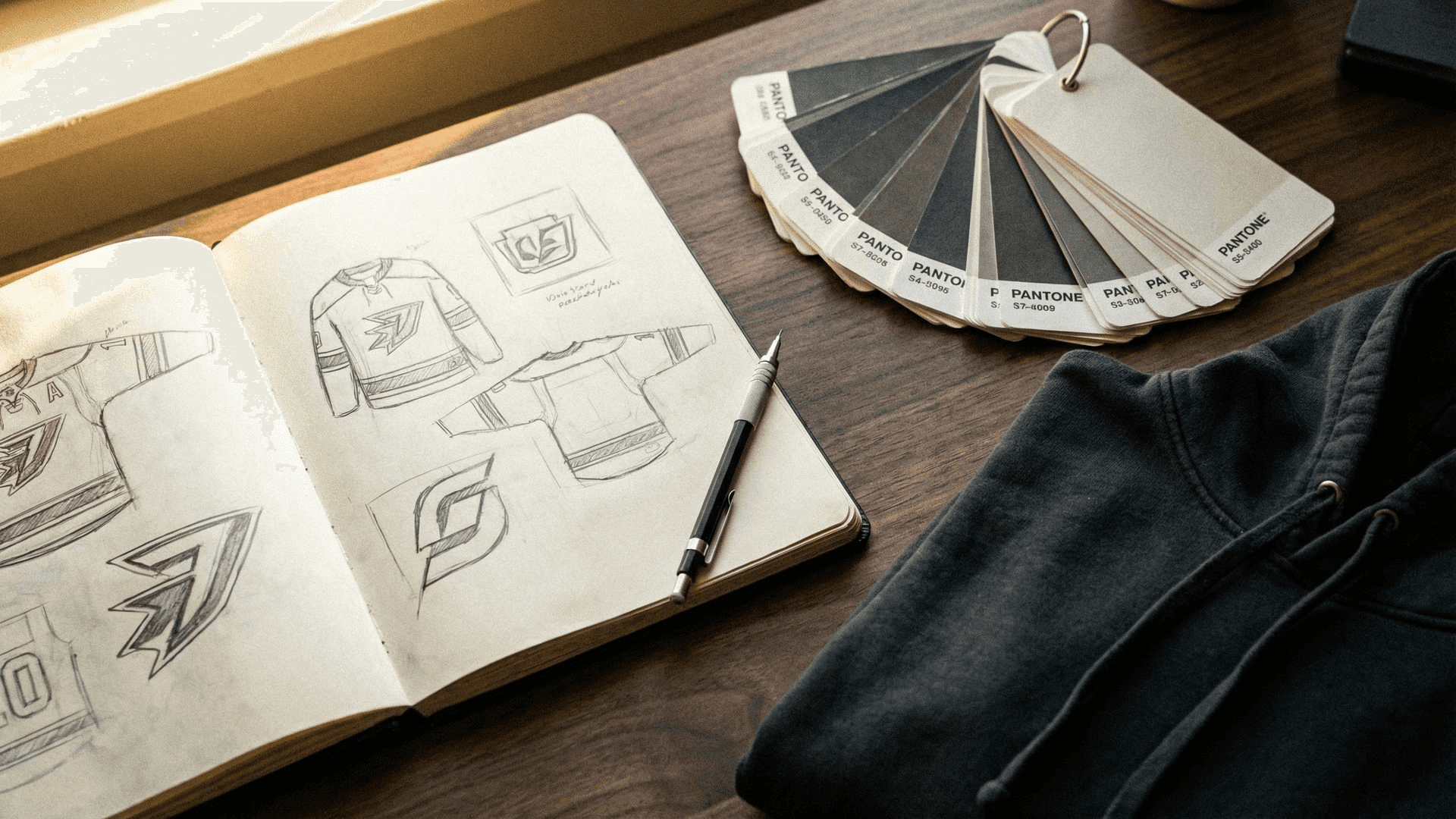
At HH, we have built our entire artist services division around this full-package model. We provide a single point of contact and a unified system for managing the creative and production side of your program. Our in-house creative team works with you to develop a collection that is authentic to your brand and that your fans will love. Our production team manages the entire supply chain, from fabric sourcing and garment construction to finished goods and quality control. We handle the complexity of custom cut-and-sew programs, premium embroidery, and specialty print techniques so you do not have to.
This is the exact system we use to manage the programs for some of the most respected names in the EDM space, including Wooli and Marshmello. It is a proven system that has been refined over hundreds of shows and dozens of collections. If you are an artist manager who is tired of juggling a dozen different vendors and a dozen different problems, and you are ready to build a program that is worthy of your artist's brand, we should talk. The conversation starts here.
The Long Game: From DJ to Global Brand
The artists who are winning in the modern music industry are the ones who understand that they are not just musicians. They are brands. And a brand is a business. A well-managed merchandise program is one of the most powerful tools you have for building that business. It is a direct connection to your artist's most passionate fans. It is a high-margin revenue stream that can fund the next album, the next tour, and the next stage of your artist's career. And in the chaotic, fragmented world of the EDM festival circuit, it is a source of stability, predictability, and profit in a business that often has none.
The shift from the traditional merch model to a modern, full-package partnership is not just a logistical upgrade. It is a strategic one. It is the difference between a merch program that is a constant source of stress and one that is a constant source of strength. The EDM scene is not going to get any less competitive. The artists who succeed will be the ones who have the infrastructure and the partners to build a real business around their brand.
Frequently Asked Questions
What is a realistic budget to start a serious EDM merch program?
For a program that includes a custom cut-and-sew hockey jersey and a premium hoodie, you should be prepared to invest at least $25,000 to $50,000 in your first production run. This will give you enough inventory to stock your online store and to have a solid presence at your first few festivals. While it is a significant investment, the potential return on a well-executed program is substantial.
How do you handle sizing for a custom hockey jersey?
Hockey jerseys have a unique, oversized fit. It is critical to work with a partner who can provide a detailed size chart and to communicate that sizing clearly to your fans on your product page. A good rule of thumb is to tell fans to order their normal t-shirt size for a relaxed, oversized fit, and to size up if they want an extra-loose look.
What is the best way to sell merch at a festival?
Most major festivals have a centralized merch operation that handles all on-site sales. You will deliver your inventory to their merch tent, and their staff will handle the transactions. The key is to have a partner who can manage that relationship, ensure your products are displayed properly, and reconcile the sales data with the final payout. For smaller club shows, a dedicated merch person with a mobile POS system is the standard.
Should we do a limited drop or an open pre-order for a new hockey jersey?
A limited drop is almost always the better strategy. The scarcity and urgency of a limited drop will drive significantly more sales and more buzz than an open pre-order. A pre-order can be a good option for a lower-priced item or for a restock of a popular design, but for a hero product like a hockey jersey, the limited drop is the way to go.
How do you build hype for a new merch drop?
A successful drop is all about the pre-launch campaign. You should be teasing the new collection on social media for at least a week before the drop, showing sneak peeks of the designs, and announcing the exact date and time of the release. An email countdown to your most engaged fans is also a powerful tool. The goal is to make the drop feel like a cultural event, not just a product release.
What is the most underrated merch item for an EDM artist?
Pashminas. For a huge segment of the EDM community, the pashmina is a cultural uniform. A custom-designed pashmina with a unique pattern or graphic is a powerful way to give your fans a way to signal their belonging to your community, and the production cost is relatively low compared to the perceived value.
How do you keep your ecommerce store generating revenue between tours?
The key is a consistent drop cadence. Plan 4-6 drops per year, each one anchored by a hero product and supported by an email marketing campaign. Between drops, use vault releases of past collections, limited restocks of popular items, and online-exclusive colorways to keep the store active and the fanbase engaged. Your ecommerce store should feel like a living, breathing part of your brand, not a static catalog.