When to Fire Your Manufacturer (And What to Look for in a Replacement)
For a brand with over $250,000 in annual production spend, the decision to switch manufacturers is one of the most consequential—and emotionally charged—choices you can make. It feels like a divorce. But in a market that rewards precision and punishes inefficiency, a deteriorating manufacturing relationship is not a problem you can afford to ignore.
When to Fire Your Manufacturer (And What to Look for in a Replacement)
3 MINUTES
March 9, 2026
It starts slowly. A delivery date slips by a week. A TOP sample comes back with the wrong stitching. A question about a fabric substitution goes unanswered for 48 hours. You tell yourself it’s a fluke. You’re their partner, not just a client. You’ve invested years in this relationship, and your patterns, your grading, your institutional knowledge all live inside their four walls. This is the sunk cost trap, and it’s where brand operators go to watch their margins die.
For a brand with over $250,000 in annual production spend, the decision to switch manufacturers is one of the most consequential—and emotionally charged—choices you can make. It feels like a divorce. But in a market that rewards precision and punishes inefficiency, a deteriorating manufacturing relationship is not a problem you can afford to ignore. The question is not if you should switch, but when the problem becomes unfixable. This guide is for the sophisticated operator who needs a framework, not a pep talk. It will walk you through the non-negotiable warning signs, a diagnostic framework for determining if the relationship is salvageable, the real costs of switching, and what to look for in a best-in-class replacement.
The 7 Non-Negotiable Warning Signs
These are not minor frustrations. These are systemic failures that directly impact your brand’s profitability, reputation, and ability to scale. If you are experiencing more than two of these, you are not in a slump; you are in a crisis.
Warning Sign | The Threshold of Pain (When It Becomes Unacceptable) |
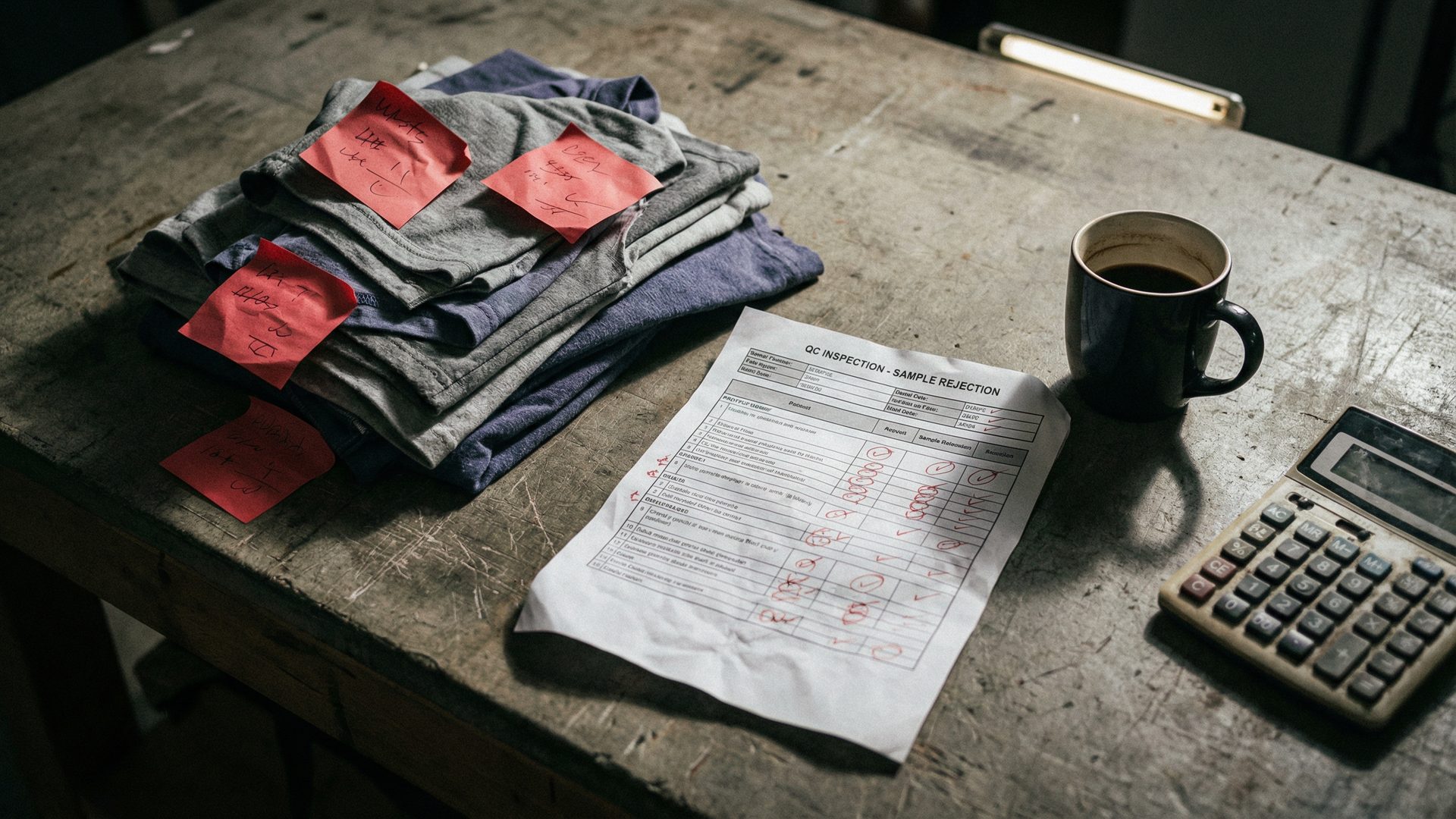
1. Quality Degradation | Your bulk production defect rate exceeds 5% on a finished goods AQL inspection, or your golden sample is rejected more than once for the same issue. |
2. Communication Breakdown | Your account manager takes more than 48 business hours to respond to a critical production question, or you are consistently the one following up for status updates. |
3. On-Time Delivery Failures | Your manufacturer misses more than one critical path deadline per season, or your On-Time In-Full (OTIF) rate drops below 90% for two consecutive quarters. |
4. Cost Creep & Hidden Fees | You receive more than one invoice per season with unexplained charges or price hikes that were not pre-approved in writing. |
5. Capacity & Capability Mismatch | Your manufacturer rejects or struggles with more than one new product innovation per year, or you are told “we’re too busy” for a re-order on a core program item. |
6. Lack of Transparency | Your manufacturer refuses to provide a detailed cost breakdown (FOB), denies a request for a third-party audit, or cannot produce up-to-date compliance certifications (e.g., WRAP, GOTS). |
7. The "Yes Factory" Syndrome | Your manufacturer agrees to every request on the phone but fails to execute on more than two specific, documented requests in the final product. |
The Diagnostic Framework: Is It Fixable or Fatal?
Before you initiate the complex process of switching, you must determine if the problem is a symptom of a temporary issue or a sign of a terminal decline. Use this framework to diagnose the root cause.

1. Is the problem specific or systemic?
A single bad batch of fabric is a specific problem. Consistently failing QC inspections is a systemic problem. A new account manager dropping the ball is a specific problem. A culture of poor communication is a systemic problem. Map out the issues over the last 12 months. If the problems are isolated incidents with different root causes, the relationship may be salvageable. If the same problems are recurring, you have a systemic failure.
2. Have you had a formal, executive-level conversation?
An email chain is not a formal conversation. A call with your account manager is not an executive-level conversation. You need to schedule a video conference with the factory owner or general manager. Present a data-driven case using your supplier scorecard. Show them the trend lines for defect rates, on-time delivery, and cost creep. A partner who is invested in your business will be alarmed and will work with you on a formal Corrective Action Plan (CAP). A supplier who is defensive, dismissive, or makes excuses is telling you everything you need to know.
3. Is the factory willing to invest in the solution?
A verbal commitment is not an investment. An investment is a factory agreeing to co-invest in a third-party QC audit, dedicating a specific production line to your brand, or upgrading a piece of equipment to meet your quality standards. If the factory is not willing to put skin in the game to fix the problems, they are not a long-term partner.
The Real Cost of Switching (and How to Minimize It)
Switching manufacturers is not a simple matter of finding a new vendor. It is a complex transition with real costs that must be managed. A sophisticated operator does not make this decision lightly.
The Hard Costs:
• Re-Sampling: Expect a minimum of 2-4 sampling rounds with a new factory, which can take 8-16 weeks and cost $1,000-$3,000 per style.
• Pattern & Grading Transfer: If your current factory holds your patterns, you may need to pay for their release or invest in re-digitizing and re-grading them from scratch. This can cost $500-$1,500 per style.
• Dual Running: For a seamless transition, you will likely need to run production in parallel at both factories for at least one season, which can create a short-term cash flow crunch.
The Soft Costs:
• Institutional Knowledge Loss: Your current factory knows your fit, your fabric preferences, and your quality quirks. A new factory has to learn all of this from scratch.
• Timeline Disruption: Even a well-managed transition can add 4-6 weeks to your production calendar for the first season.
• IP Risk: Sharing your tech packs and patterns with a new, unvetted factory carries a risk of intellectual property theft.
How to Minimize the Costs:
Own Your IP: Before you even think about switching, ensure you have digital copies of all your patterns, grading, and tech packs. If you don’t, make this your #1 priority.
Run a Trial Order: Never switch your entire production to a new factory at once. Start with a single, non-critical style and run it through the entire process from sampling to bulk production.
Appoint a Transition Manager: Designate a single person on your team who is responsible for managing the transition. This person will be the primary point of contact for both factories and will be responsible for tracking all samples, approvals, and deadlines.
What to Look for in a Replacement Partner
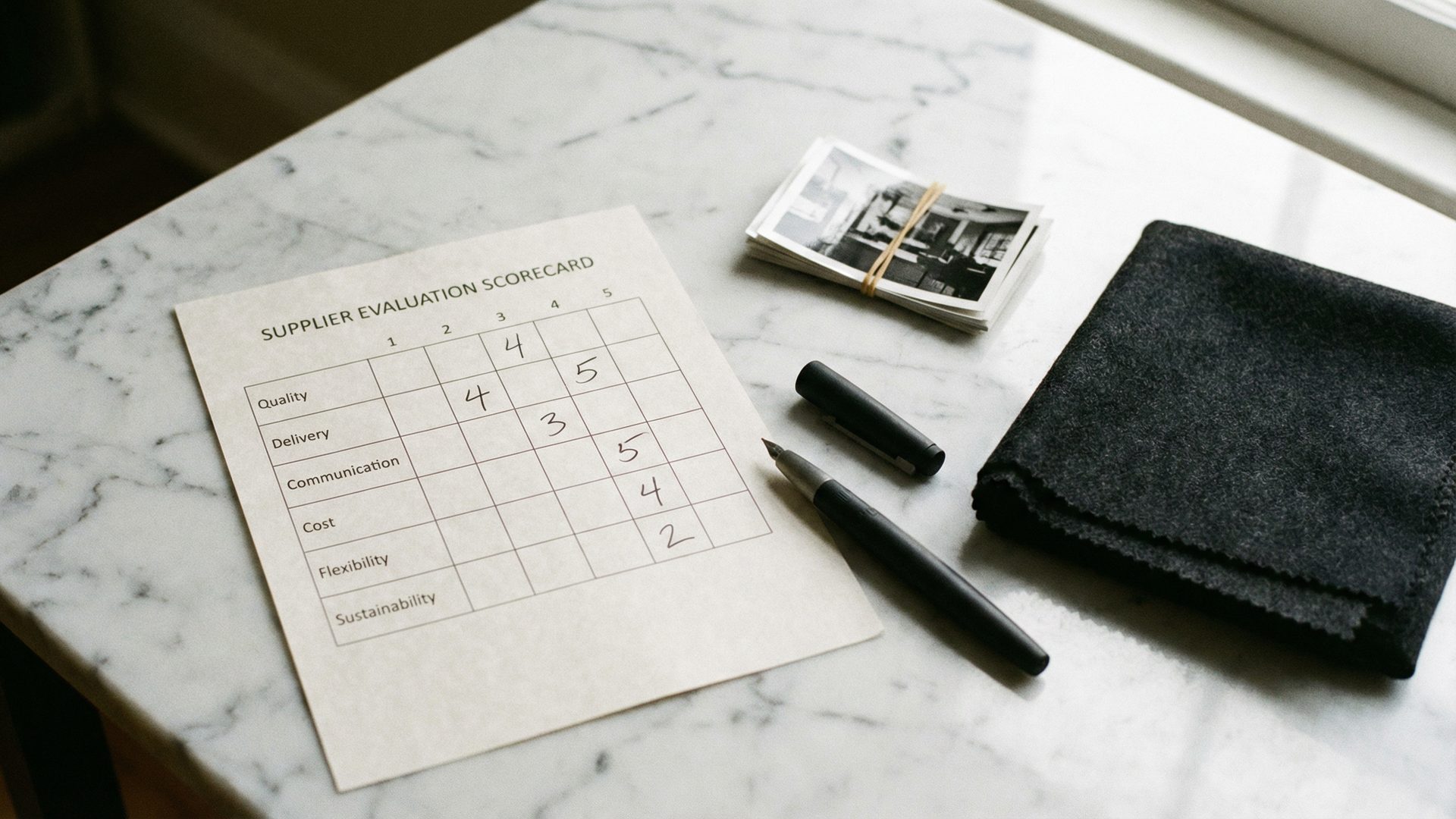
You are not just looking for a new factory. You are looking for a strategic partner who can help you scale. Use this scorecard framework to evaluate potential replacements.
Evaluation Criteria | What to Look For |
1. Technical Capability | Do they have in-house pattern makers and sample rooms? Can they show you examples of complex garments they have produced for other brands? |
2. Communication & Systems | Do they have a dedicated account manager for your brand? Do they use a modern project management system (e.g., Asana, Trello) or are they still running on email and WhatsApp? |
3. Quality Management | Do they have a documented QC process with clear AQL standards? Are they willing to accommodate third-party QC inspections? |
4. Financial Stability | Are they profitable? Do they have a strong credit rating? Ask for trade references and actually call them. |
5. Scalability & Capacity | What is their total capacity? How much of that is currently allocated? Can they scale with you from 288 units to 2,000+ units without a drop in quality? |
6. Transparency & Ethics | Are they willing to provide a full cost breakdown? Can they provide up-to-date social and environmental compliance certifications? |
FAQ for the Sophisticated Operator
1. My factory owns my patterns. What do I do?
This is a high-risk situation. Your first step is to negotiate the release of your patterns, graphics, etc. This may involve a one-time payment. If they refuse, you will need to invest in rebuilding your patterns from scratch using your golden samples as a reference. Do not delay. This is a critical business continuity risk.
2. How do I manage a transition without alerting my current factory that I’m leaving?
You don’t. Transparency is key. Inform your current factory that you are diversifying your supply chain to mitigate risk. Frame it as a strategic business decision, not a punitive action. This will keep the relationship professional and ensure they continue to prioritize your current production.
3. What is a realistic timeline for a full transition?
For a single product category, a well-managed transition takes 6-9 months. This includes factory vetting (4-6 weeks), sampling (8-16 weeks), a trial order (8-12 weeks), and then a full production run (12-16 weeks).
4. Should I use a sourcing agent to find a new factory?
For a $250K+ brand, a sourcing agent is often a step backward. You are better off hiring an experienced production manager or working with a full-package partner who can give you the transparency and control you need.
5. My problem is with a specific person at the factory, not the factory itself. What should I do?
Request a new account manager. If the factory is a true partner, they will understand the importance of a strong working relationship and will make the change. If they refuse, it is a sign that the problem is cultural, not personal.