The Company Store Play: Why Every Funded Startup Should Have an Internal Merch Store
An internal company store is more than just an e-commerce site for your employees. It is a centralized platform for your entire merchandise program, a living expression of your brand that can evolve as your company grows.

The Company Store Play: Why Every Funded Startup Should Have an Internal Merch Store
3 MINUTES
March 4, 2026
Your company just raised its Series B. You have a hundred employees, a growing brand, and a People Ops team that is drowning in a sea of spreadsheets. One of those spreadsheets, buried in a shared drive, is titled Merch_Inventory_2025.xlsx. It is the single source of truth for the 500 heavyweight hoodies you ordered six months ago, now piled high in a supply closet. This is the playbook for the person who inherited that spreadsheet.
As a startup scales, the ad-hoc approach to managing team gear breaks down. What was once a simple task of ordering a batch of hoodies becomes a complex logistical challenge of inventory management, sizing, distribution, and budgeting. More importantly, it becomes a missed opportunity. That closet full of hoodies is not just a logistical problem; it is a dormant cultural asset. An internal company store is the tool that activates it, transforming your merchandise from a cost center managed in a spreadsheet into a scalable platform for building culture and reinforcing your employer brand.
The One-Time Bulk Order Closet Trap
The closet full of hoodies is a classic scaling problem. It starts with good intentions. You have just closed a funding round or hit a major milestone, and you want to celebrate with the team. You place a large bulk order for a premium hoodie to get a better price per unit. The hoodies arrive, the team is thrilled, and for a moment, it feels like a huge win. Then, reality sets in.
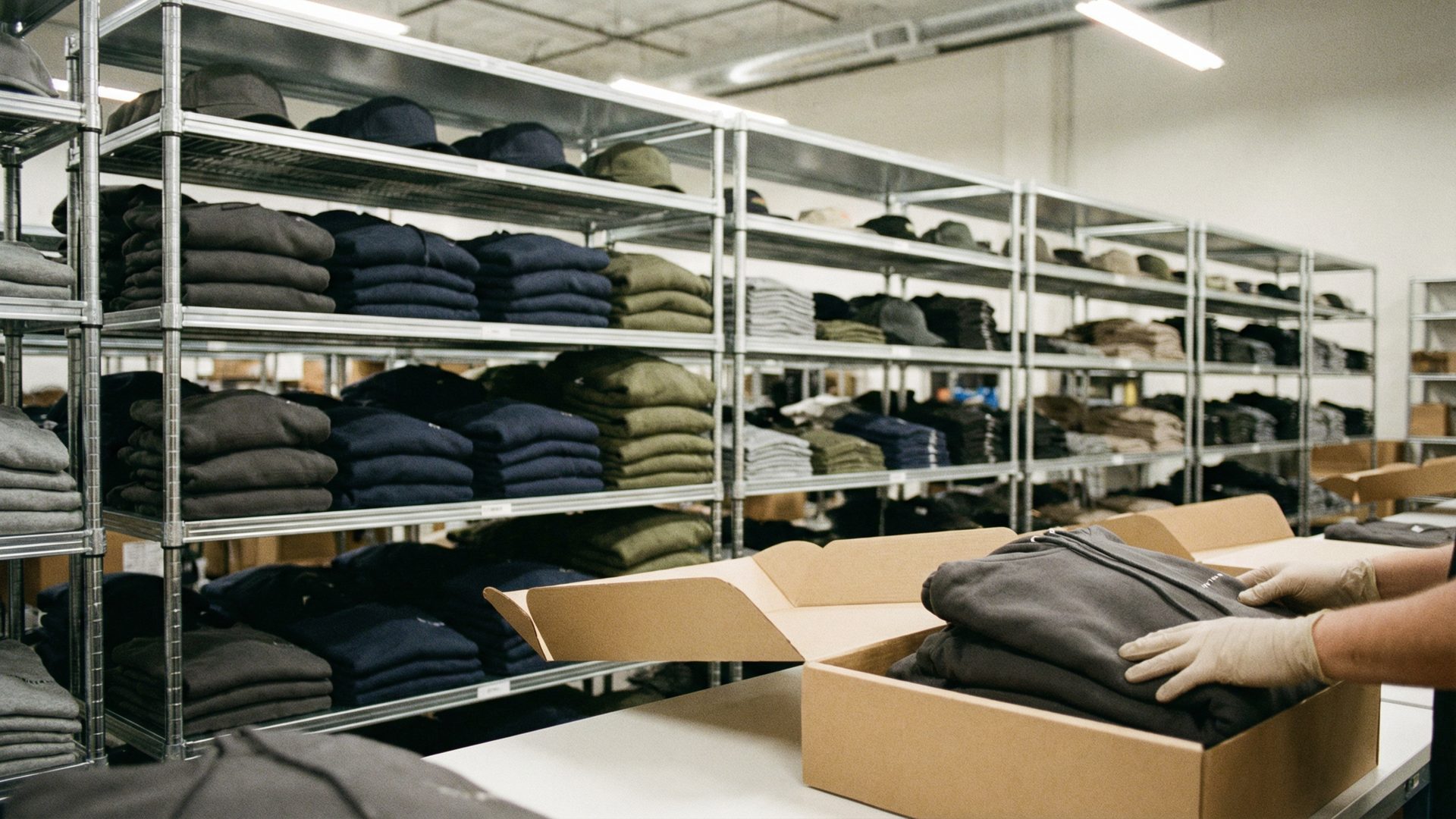
You now have hundreds of extra hoodies taking up valuable office space. A People Ops coordinator is now the de facto warehouse manager, spending hours each week tracking inventory in a spreadsheet, fulfilling requests from new hires, and trying to figure out what to do with the 37 XS and 52 4XL hoodies that nobody wants. The gear that was meant to be a symbol of a specific moment in time slowly becomes obsolete as the company's branding evolves.
This is the One-Time Bulk Order Closet Trap. It is inefficient, unscalable, and ultimately, a waste of resources. It treats merchandise as a one-time expense rather than an ongoing program. The solution is to shift from a mindset of ordering and storing to a mindset of curating and providing access. The solution is an internal company store.

The Store as a Culture Platform
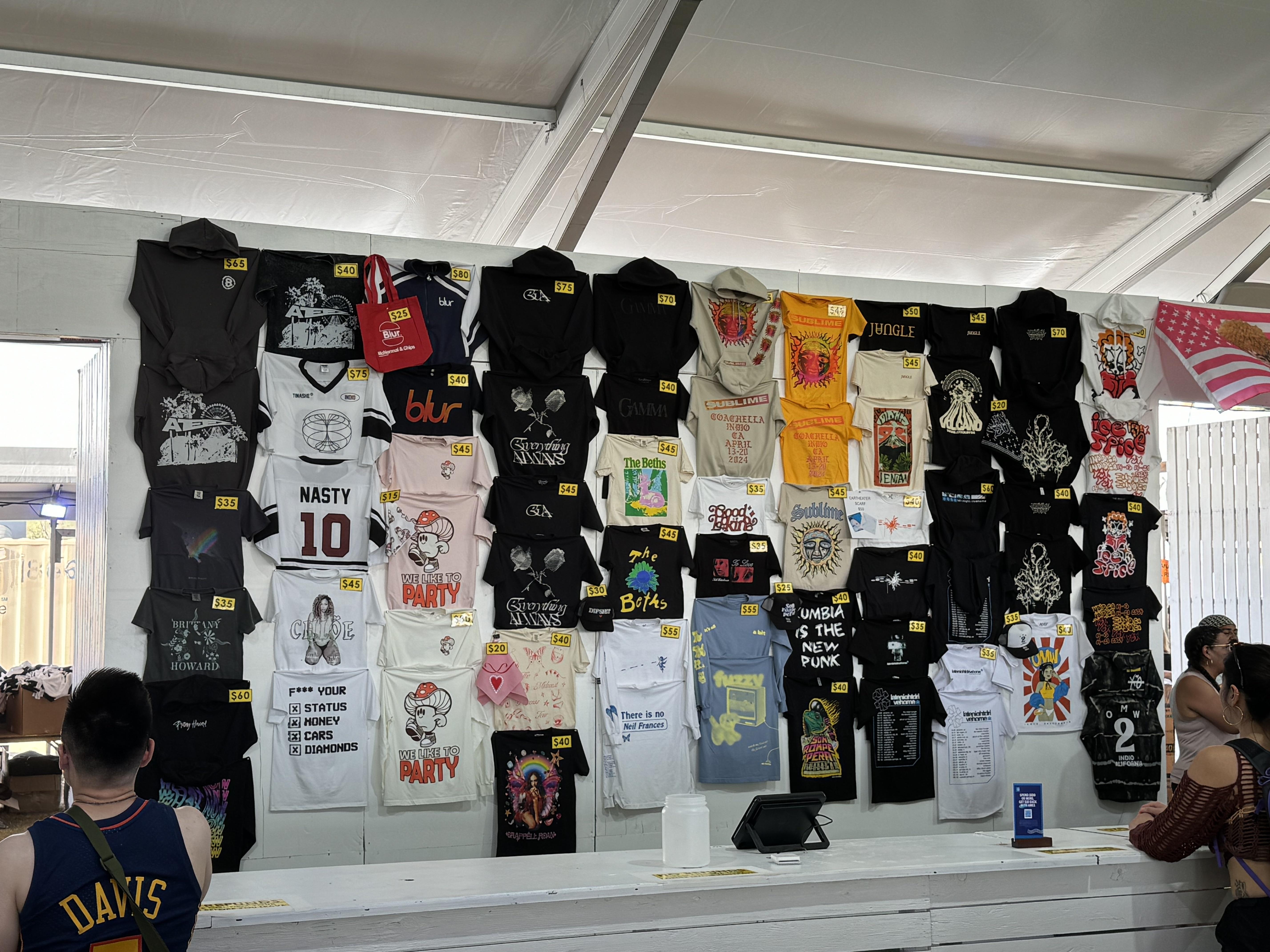
An internal company store is more than just an e-commerce site for your employees. It is a centralized platform for your entire merchandise program, a living expression of your brand that can evolve as your company grows. When done right, a company store solves the logistical nightmare of the closet trap and, more importantly, becomes a powerful tool for building culture.
It provides a consistent and professional experience for your team, whether they are a new hire receiving their onboarding kit or a long-time employee grabbing a new t-shirt for a conference. It allows you to offer a wider variety of items without having to hold massive amounts of inventory. Most importantly, it creates a sense of ownership and pride. When employees can choose their own gear from a well-curated collection, it feels less like a uniform and more like a privilege. It becomes a part of their identity as a member of your team.
Case Study: SpaceX and Mission-Driven Identity
SpaceX is a company defined by its ambitious mission to make humanity a multi-planetary species. This mission is not just a slogan on a website; it is woven into every aspect of the company's culture. The SpaceX internal store is a perfect example of this principle in action.
The store is not a public-facing e-commerce site. It is a private, employee-only platform that offers a wide range of high-quality, mission-focused gear. From technical jackets embroidered with mission patches to t-shirts celebrating successful launches, every item in the store is a tangible artifact of the company's work. It is not generic corporate swag; it is gear for people who are building rockets.
This approach has two powerful effects. First, it reinforces the sense of shared purpose and identity that is critical to the company's culture. Owning and wearing SpaceX gear is a way for employees to signal their commitment to the mission. Second, it creates a powerful sense of exclusivity and pride. The fact that the best gear is only available to employees makes it a highly sought-after status symbol, both inside and outside the company. For a Head of Brand or People Ops leader, the lesson is clear: your company store is a platform for telling your company's story. The more closely the products are tied to your mission and culture, the more powerful they will be.
The Playbook: Three Models for Your Internal Store
There are three primary models for running an internal company store. The right model for your company depends on your size, budget, and goals. Understanding the trade-offs of each is the first step to building a program that scales with you.
Model | Best For | Quality Ceiling | Inventory Risk |
On-Demand | Seed-stage, under 50 employees | Moderate — limited to catalog blanks | None |
Seasonal Drop | Series A, milestone-driven culture | High — fully custom, cut-and-sew | Low — limited runs |
Always-On Catalog | Series B+, 100+ employees | Highest — custom core + seasonal drops | Managed by partner |
In the On-Demand Model, items are produced only when they are ordered. This is the lowest-risk option, as it requires no upfront investment in inventory. However, it also offers the lowest level of quality and customization. You are typically limited to a small selection of blank products from a catalog, and the branding options are limited to simple screen printing or embroidery. This model is best for very early-stage startups that need a simple solution for basic gear.
The Seasonal Drop Model, popularized by streetwear brands, involves releasing curated collections of merchandise at specific times of the year. You produce a limited quantity of each item, creating a sense of scarcity and excitement. This allows for a much higher level of quality and creativity, as you can produce fully custom, cut-and-sew garments for each drop. This model is perfect for reinforcing specific cultural moments, like a major product launch or an annual company off-site. The key constraint to plan around is the 90-120 day production window required for custom garments — a timeline that catches many first-time buyers off guard.
The Always-On Catalog Model is the most mature approach, combining the best of both worlds. You hold a small inventory of your core, evergreen items for immediate fulfillment, while also offering limited-edition drops throughout the year. This provides the stability of a core collection with the excitement of seasonal releases. This model requires a dedicated partner to manage inventory, fulfillment, and the e-commerce platform, but it provides the most powerful and scalable solution for a growing company. For a Series B company with 100 or more employees, this is the model to build toward.

Finding the Right Partner
Building and managing an internal company store is not a core competency for a tech startup. It is a complex operational challenge that requires expertise in e-commerce, inventory management, and apparel production. Trying to do it all in-house is a recipe for distraction and frustration. The key to success is finding a full-package apparel partner who can run the entire program for you.
A true partner will not just build you a Shopify site. They will work with you to develop a comprehensive merchandise strategy that aligns with your brand and culture. They will help you design and produce retail-quality custom apparel, manage inventory and fulfillment, and provide you with the data and insights you need to run the program effectively. They will act as an extension of your People Ops and Brand teams, allowing you to focus on what you do best: building your product and your company. If you are still in the early stages of developing your apparel program, our guide on building a premium team gear strategy from scratch is a useful starting point.
Conclusion: From Cost Center to Culture Platform
That closet full of hoodies is a symptom of a larger problem. It is the result of treating merchandise as a series of one-off, tactical expenses rather than as a strategic, ongoing program. An internal company store is the infrastructure that enables that shift. It transforms your merchandise program from a chaotic cost center into a scalable culture platform.
It allows you to provide a world-class experience for your team, to reinforce your brand and mission, and to free up your internal teams to focus on higher-value work. It is the mark of a company that is thinking strategically about its culture and its brand. It is the next step in your evolution from a scrappy startup to an enduring institution. The only question is when you will finally clean out that closet.
Frequently Asked Questions
What is the ROI of an internal company store for a startup?
The ROI of an internal store is measured in employee engagement, retention, and employer brand equity. A well-run store saves dozens of hours per month for your People Ops team, makes new hires feel more welcome from day one, and turns your employees into proud brand ambassadors. These outcomes have a significant, compounding financial return that is difficult to overstate in a competitive talent market.
Should our company store be public or private (employees only)?
For most tech startups, the store should be private and employee-only. This creates a sense of exclusivity and makes the gear a more powerful internal cultural artifact. A public-facing store is a fundamentally different business model (direct-to-consumer e-commerce) that requires a different strategy and a dedicated resource allocation.
How much does it cost to set up and run an employee merchandise store?
The cost varies significantly depending on the model. A simple on-demand store can be set up for a few thousand dollars. A fully managed, always-on catalog model with custom apparel can require an initial investment of $50,000 or more for inventory, but the per-item costs are lower at scale and the quality is significantly higher. Think of it as the difference between renting and owning.
What is the difference between a print-on-demand store and a managed inventory model?
Print-on-demand (POD) means items are produced one at a time when an order is placed, requiring no inventory but limiting you to lower-quality catalog blanks. A managed inventory model involves producing goods in bulk and storing them for fulfillment, which unlocks fully custom, retail-quality apparel and a dramatically better end product for your team.
How do we handle inventory and shipping for a company store?
You should not have to. Your full-package apparel partner should handle all warehousing, inventory management, picking, packing, and shipping. Your team's involvement should be limited to approving new designs and setting the overall strategy, not managing boxes in a supply closet.
What are the most popular items to include in a tech company's internal store?
The core of any great store is a premium, custom-milled heavyweight hoodie. Beyond that, high-quality t-shirts, premium headwear (dad hats or beanies), and high-end drinkware from brands like YETI or Fellow are consistently the most popular items. The key is to offer a curated selection that your team will actually use and value, not a sprawling catalog of low-quality options.
How do we give employees a budget or allowance to use in the store?
Most modern company store platforms allow you to issue unique discount codes or gift cards to employees. A common model is to give every new hire a one-time allowance to select their initial onboarding kit, and then provide an annual credit to all employees on their work anniversary as a retention and recognition gesture.