How to Move Your Apparel Brand From Domestic to Overseas Production Without Losing Quality Control
Every successful apparel brand founder eventually hits the ceiling of domestic production.

How to Move Your Apparel Brand From Domestic to Overseas Production Without Losing Quality Control
3 MINUTES
July 10, 2026
Every successful apparel brand founder eventually hits the ceiling of domestic production. The story is almost universal: you launch the brand using a local cut-and-sew shop in Los Angeles or a trusted regional printer. The proximity feels like a superpower. When there is a problem with a wash or a seam, you simply drive to the shop, walk onto the floor, and point at the issue. That physical presence creates an illusion of total control.
But as your volume scales from a few hundred units a month to several thousand, the math breaks. You are paying a 300% to 400% cost premium to stay domestic, and the margins that once sustained your growth are now suffocating it. You know you need to move production overseas to survive, but the fear of losing control paralyzes the transition. The thought of handing your entire product line to a factory 8,000 miles away, one you cannot drive to when things go wrong, feels like risking the brand you spent years building.
This hesitation is rooted in what we call the Domestic Comfort Trap. Founders confuse proximity with a structured quality control process. Walking into a local shop to check on goods is not quality control; it is firefighting. To successfully transition your brand to an overseas facility, you do not need to fly to Bangladesh every month. You need to replace the crutch of proximity with a rigid, accountable operational framework that works regardless of geography.
The Domestic Comfort Trap
The most dangerous phase of scaling an apparel brand is the moment you realize your domestic factory cannot handle your volume, but you have no internal systems to manage an overseas partner. When you produce locally, you rely on the institutional knowledge of the people in the room. The head cutter knows how you like the drape of your fleece. The print manager knows the exact hand-feel you want on your plastisol graphics. Because that knowledge lives in their heads rather than in your documentation, moving to a new factory feels impossible.
When founders attempt the transition without formalizing their product specifications, the first overseas sample is almost always a disaster. The fabric weight is wrong, the wash is off, and the fit is completely different. The founder assumes this is because overseas factories are inherently inferior, when in reality, the factory simply executed exactly what was written in an incomplete tech pack. You are currently paying a massive premium for a local shop to fill in the blanks of your product development. To move overseas successfully, you must stop relying on assumptions and start communicating in the universal language of apparel manufacturing: absolute, documented precision.
Formalizing Your Product: The Tech Pack Mandate
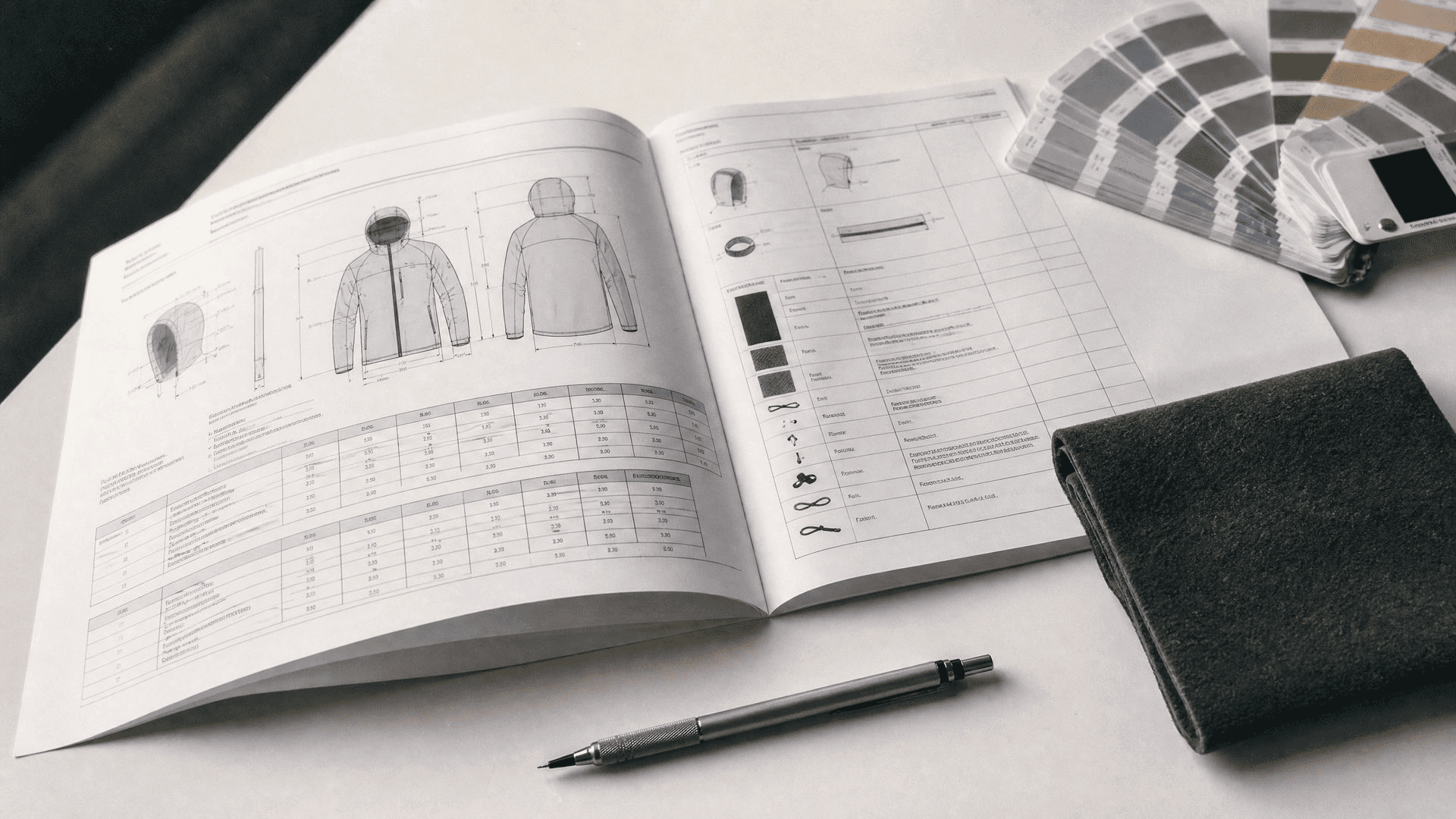
The foundation of any successful transition to overseas manufacturing is the tech pack. A domestic shop might accept a physical sample and a few notes scribbled in an email. An overseas factory requires a comprehensive blueprint, and the quality of that blueprint is the single most important variable in whether your first overseas sample comes back right.
A proper tech pack leaves absolutely zero room for interpretation. It must include precise graded measurements for every size, a complete bill of materials (BOM) detailing every fabric and trim with exact specifications, Pantone callouts for all dyes and prints, and detailed construction callouts indicating exactly how every seam should be finished, how every zipper should be set, and what the interior finishing should look like. When a factory in Bangladesh receives a complete, professional tech pack, they do not need to guess how you want the collar to lay or what thread tension to use. They execute the blueprint. The brands that fail in their transition overseas are the ones that treat the tech pack as a suggestion rather than a mandate. Before you contact a single factory, your first investment must be in your product documentation.
Establishing Remote Quality Control
The fear of losing quality control is the primary reason founders delay moving overseas. If you cannot walk the floor, how do you know the goods are right before they get on a boat? The answer is establishing a rigid, multi-stage approval process that the factory must adhere to before moving to the next phase of production. This process does not require you to be physically present; it requires you to be systematically demanding.
The Pre-Production (PP) Sample. Never allow a factory to cut bulk fabric until you have received and approved a final Pre-Production sample. This sample must be made using the exact bulk fabric, the exact bulk trims, and the exact bulk wash processes. The PP sample becomes the absolute standard for the entire production run. If the bulk goods deviate from the PP sample in any measurable way, the factory is responsible for the correction.
Top of Production (TOP) Approval. Once bulk production begins, require the factory to pull the first finished garments off the line and send them to you for Top of Production approval. This allows you to verify that the factory floor is executing the bulk run to the exact specifications of the approved PP sample before thousands of units are completed. Catching a deviation at this stage costs you days. Catching it at final inspection costs you the season.
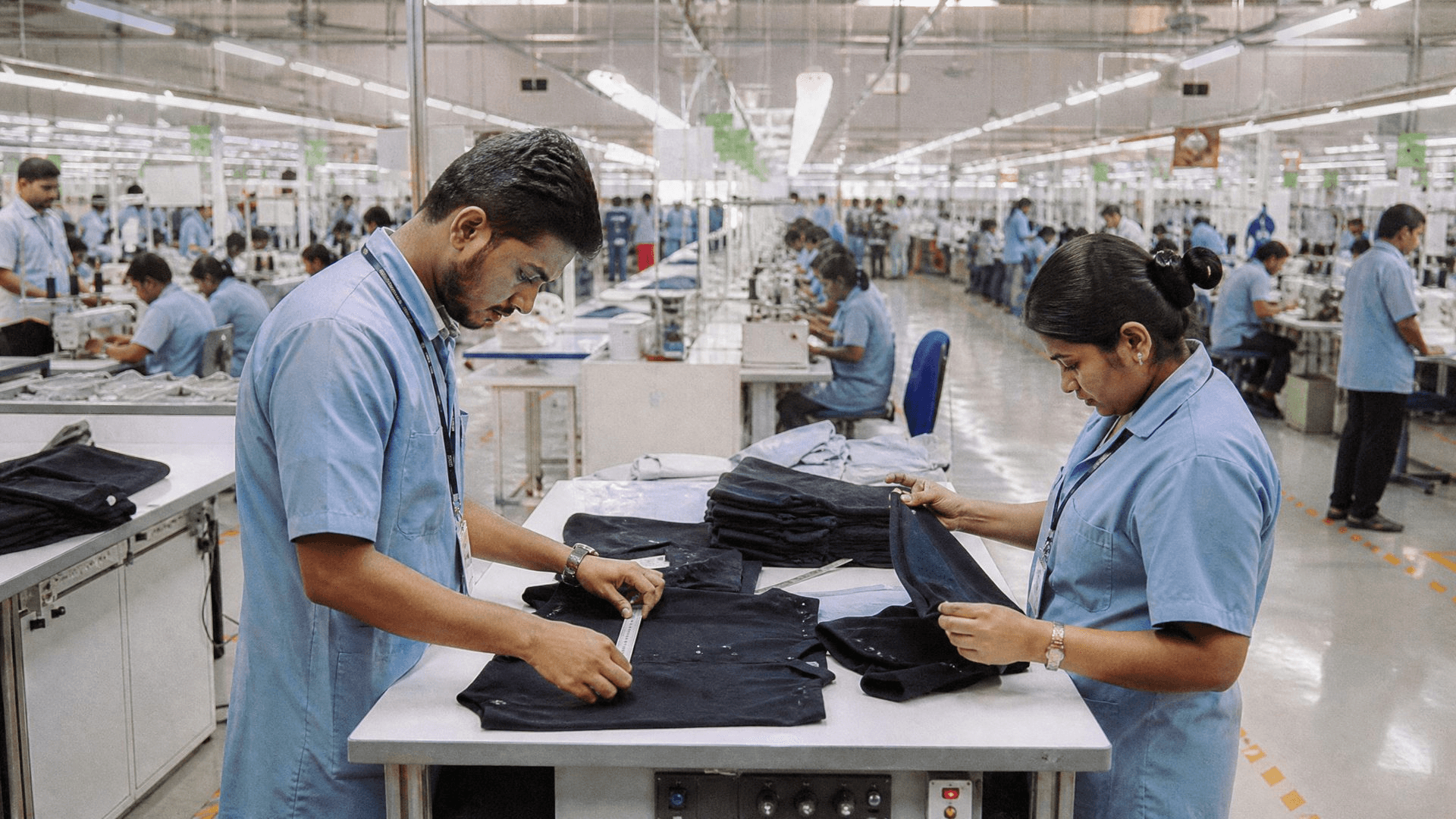
In-Line and Final Inspections. Relying solely on a final inspection when the goods are already packed in cartons is too late. You need a partner who conducts in-line inspections during the sewing process to catch construction errors before the garment is finished. A factory that only offers a final audit is a factory that is managing your expectations, not your quality.
What to Demand From an Overseas Partner
The operational model of the factory you choose is just as important as their technical capability. Many founders attempt to ease the transition by hiring a sourcing agent, assuming the agent will act as their proxy on the ground. In reality, agents often obscure the supply chain, add a 10-20% markup to your costs, and create the exact communication bottlenecks that lead to the quality issues you were trying to avoid.
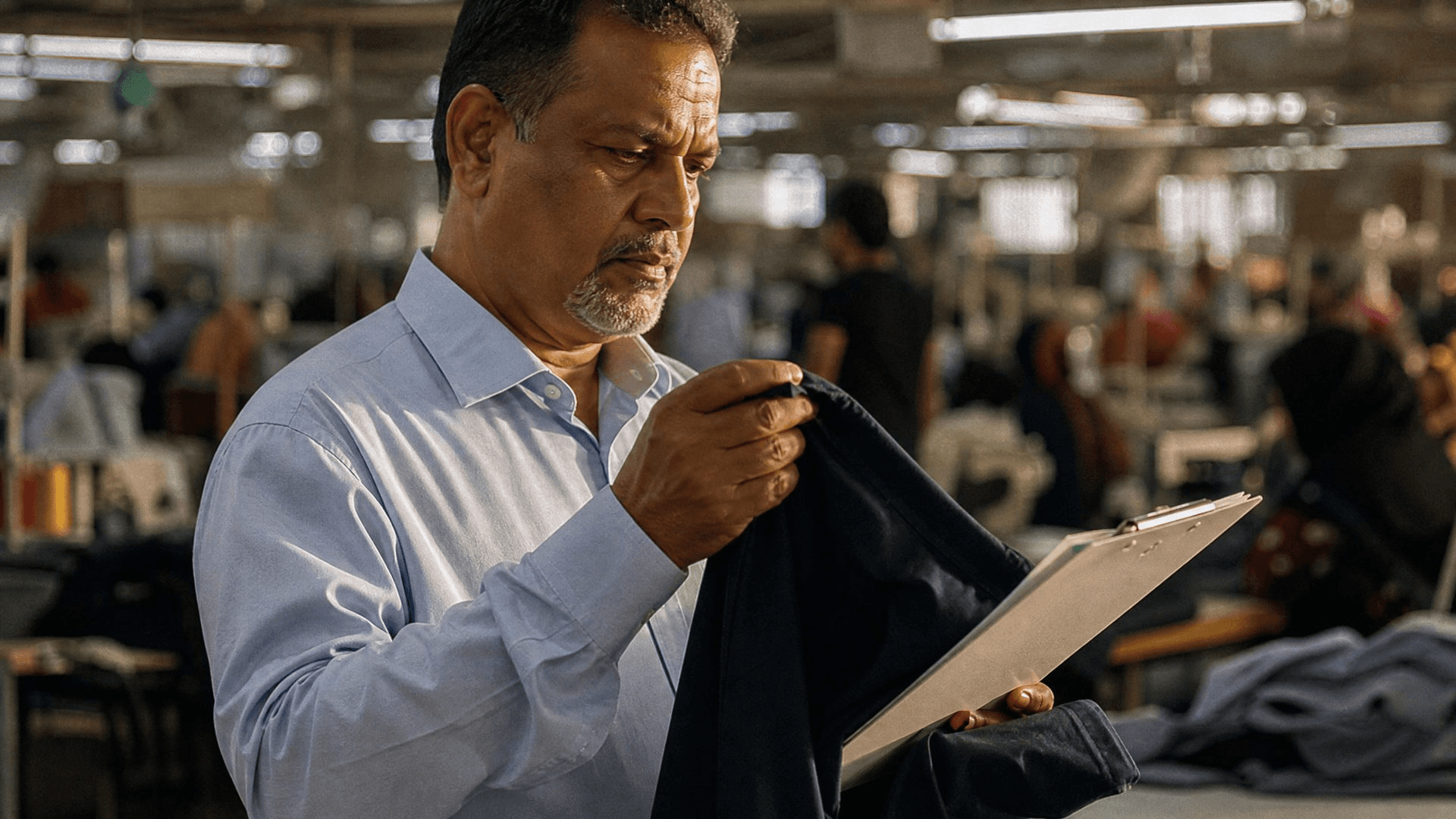
When evaluating an overseas facility, demand direct access to the production manager overseeing your program. If you are routed through a broker or a sales rep who has never touched a sewing machine, you do not have control of your production. Furthermore, demand in-house capability across every process your program requires. If you are running a complex cut-and-sew fleece program that requires specialty washes and high-density printing, you need a factory that handles all of those processes under one roof. Every time a garment leaves the primary facility to go to a third-party dye house or print shop, you lose a layer of quality control that you cannot recover from overseas. Finally, ensure the factory's Minimum Order Quantities align with your actual scaling strategy. You should not have to jump from domestic runs of 100 units to overseas minimums of 5,000. The right partner will offer aggressive MOQs that allow you to transition your core styles safely without over-committing capital to unproven production.
The Sourcing Map Has Changed
Moving your production overseas is not a compromise; it is a necessary evolution for any brand that intends to scale. The narrative that you must sacrifice quality to achieve better margins is entirely false. The top-tier facilities operating today possess technical capabilities and quality control infrastructure that far exceed the average domestic shop. The brands that fail in the transition do so because they try to manage an overseas factory the same way they managed their local printer: informally, reactively, and without documentation.
If you are a founder preparing to scale past your domestic capacity, HH operates an owned-and-operated factory in Bangladesh with over 2 million units of monthly capacity, overseen by a production manager with 30 years of regional experience. Every program runs with a single point of contact from tech pack to delivery, with hands-on QC at every production stage and MOQs starting at 100-300 units per style. If you want to understand how we structure a seamless transition from domestic to overseas production for scaling brands, reach out to our team and we will walk you through the process.
Frequently Asked Questions
How do you manage quality control with an overseas clothing manufacturer?
Quality control requires a rigid, multi-stage approval process. You must mandate Pre-Production (PP) sample approval before bulk cutting begins, Top of Production (TOP) approval once the line starts running, and ensure the factory conducts rigorous in-line inspections during sewing rather than relying solely on final packed-carton audits.
Is it cheaper to manufacture clothing overseas or domestically?
Overseas manufacturing is significantly more cost-effective at scale. While domestic production offers proximity, it typically carries a 300% to 400% cost premium over a comparable overseas facility. By partnering with a direct, owned-and-operated overseas factory, scaling brands can dramatically improve their margins without sacrificing product quality.
What do I need before contacting an overseas apparel factory?
Before contacting an overseas factory, you must have a complete, professional tech pack for every style. This includes precise graded measurements, a comprehensive bill of materials (BOM), Pantone color callouts, and detailed construction specifications. A physical sample alone is not sufficient for overseas production.
How do I switch from a domestic clothing manufacturer to an overseas factory?
The key to a successful transition is formalizing your product specifications before you make the move. You must replace the informal communication of a local shop with documented tech packs and strict sample approval protocols. Partnering directly with an overseas facility that offers a single point of contact and manageable MOQs will significantly mitigate the risks of the transition.
Do I need a sourcing agent to manufacture clothing overseas?
No. Sourcing agents often create communication bottlenecks and add unnecessary markups to your production costs. Building a direct relationship with an owned-and-operated factory provides better transparency, faster communication, and greater control over the quality of your garments at every stage of production.