How to Source Apparel Directly From a Factory (Without a Broker, Agent, or Middleman)
Go factory-direct. Cut out the middleman, recapture the margin, and establish direct control over the production floor. But the transition from an agent-managed supply chain to a direct-sourcing model presents an immediate operational challenge.

How to Source Apparel Directly From a Factory (Without a Broker, Agent, or Middleman)
3 MINUTES
July 13, 2026
The decision to fire a sourcing agent is rarely made lightly. It usually happens after a breaking point: a critical delivery window is missed, a pre-production sample comes back fundamentally flawed for the third time, or a finance audit reveals that the "factory cost" you have been paying includes a hidden 20% markup. You realize that the agent you hired to simplify your supply chain has actually become a liability. They are not managing the factory on your behalf; they are managing you on behalf of their margin.
Once that relationship is severed, the mandate from leadership is clear: go factory-direct. Cut out the middleman, recapture the margin, and establish direct control over the production floor. But the transition from an agent-managed supply chain to a direct-sourcing model presents an immediate operational challenge. Most mid-to-large brands know how to design great product, but they have never had to evaluate a factory's in-line quality control process or negotiate minimum order quantities directly with a floor manager.
This is the Cold Start Problem of factory-direct sourcing. You know you want to eliminate the broker, but you have no framework for evaluating the actual facilities. To successfully execute this transition, you must stop looking for a new vendor and start looking for an operational partner. Going direct requires you to evaluate a factory not just on their sewing capabilities, but on their ability to integrate seamlessly with your internal product development team.
The Illusion of the "Direct" Factory
The first hurdle in sourcing without an agent is navigating the directories. When a sourcing director searches for a direct cut-and-sew facility, the results are overwhelmingly populated by trading companies posing as manufacturers. These entities have slick websites and professional sales representatives, but they do not own a single sewing machine. They are simply a different breed of middleman.
If you contract with a trading company, you have not solved your problem. You have simply replaced an agent you knew with an agent you do not know. The communication bottlenecks remain, the hidden markups remain, and the lack of floor-level accountability remains. When a wash comes out wrong or a seam fails, the trading company has to call the actual factory to find out why, leaving you waiting days for an answer that should take minutes.
To verify that a factory is truly owned-and-operated, you must demand transparency from the first conversation. Ask for a live video walkthrough of the production floor during operating hours. Ask to speak directly with the production manager who will oversee your specific program. If the representative hesitates, deflects, or insists that all communication must route through their sales office, you are dealing with a broker. Walk away.
Evaluating In-House Capabilities
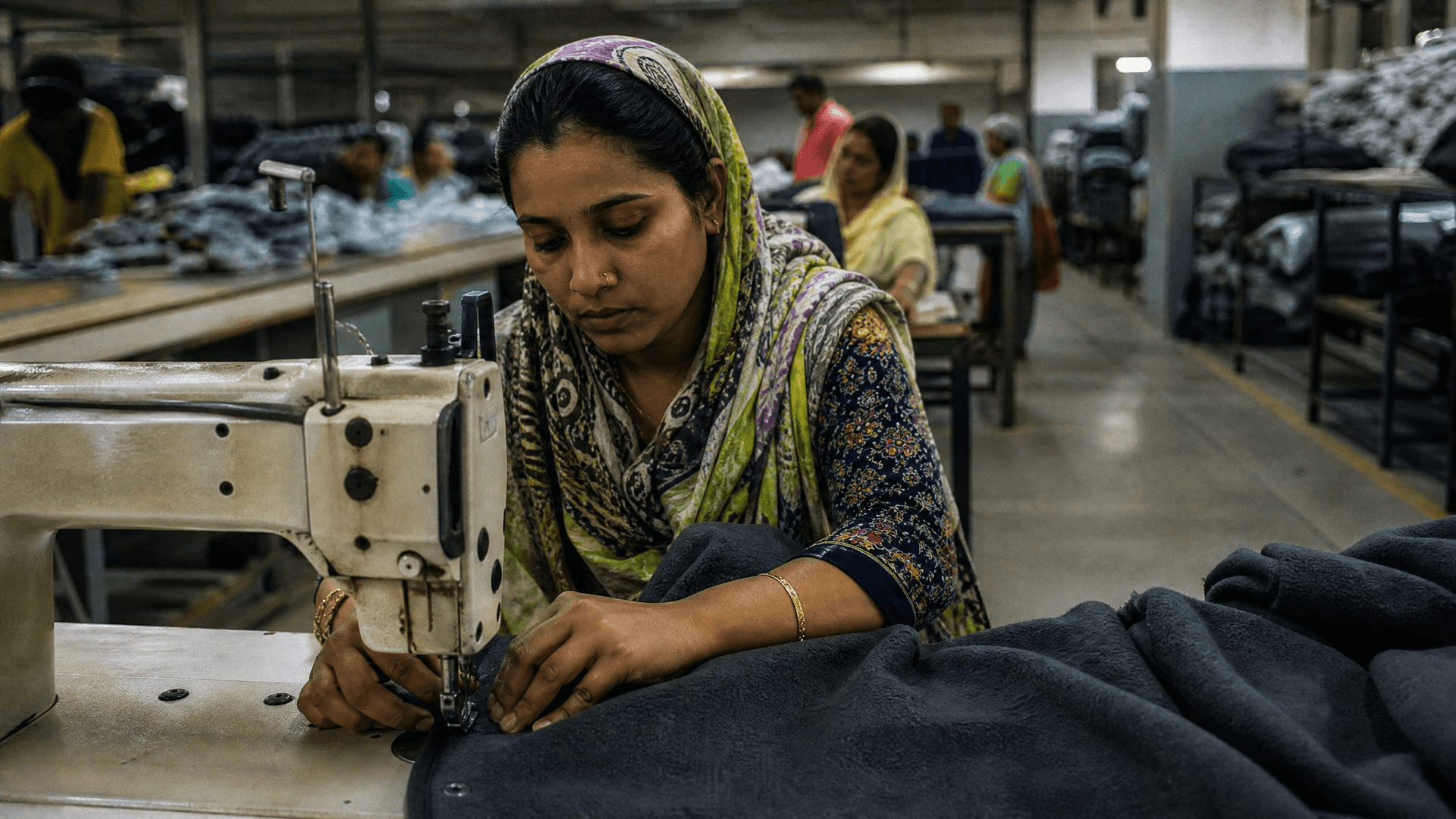
When you work with a sourcing agent, they often piece together your production by using multiple specialized facilities. They might source the blank from one factory, send it to a separate dye house for a vintage wash, and then move it to a third facility for screen printing. This fragmented approach is a logistical nightmare that inevitably leads to high defect rates and missed deadlines.
When you go factory-direct, you must consolidate these processes. The most capable facilities in Bangladesh operate under a vertical model. They do not just cut and sew; they manage the entire lifecycle of the garment under one roof. When evaluating a potential partner, you must audit their in-house capabilities aggressively. If your program requires a custom 450gsm fleece with a specific enzyme wash, the factory must have the dyeing and washing infrastructure on-site. If your technical outerwear requires waterproof seam sealing, they must own the specialized taping machines. If your brand relies on high-density printing or complex embroidery, those embellishment departments must be located within the primary facility. Every time your product leaves the main factory floor to go to a subcontractor, you lose visibility and quality control. A true factory-direct partner controls every variable internally.
The Tech Pack as the Ultimate Contract
One of the hidden conveniences of a sourcing agent is that they often translate your incomplete design ideas into actionable factory instructions. They act as a buffer between your creative team and the production floor. When you eliminate the agent, that buffer disappears. The factory will execute exactly what you send them, nothing more and nothing less.
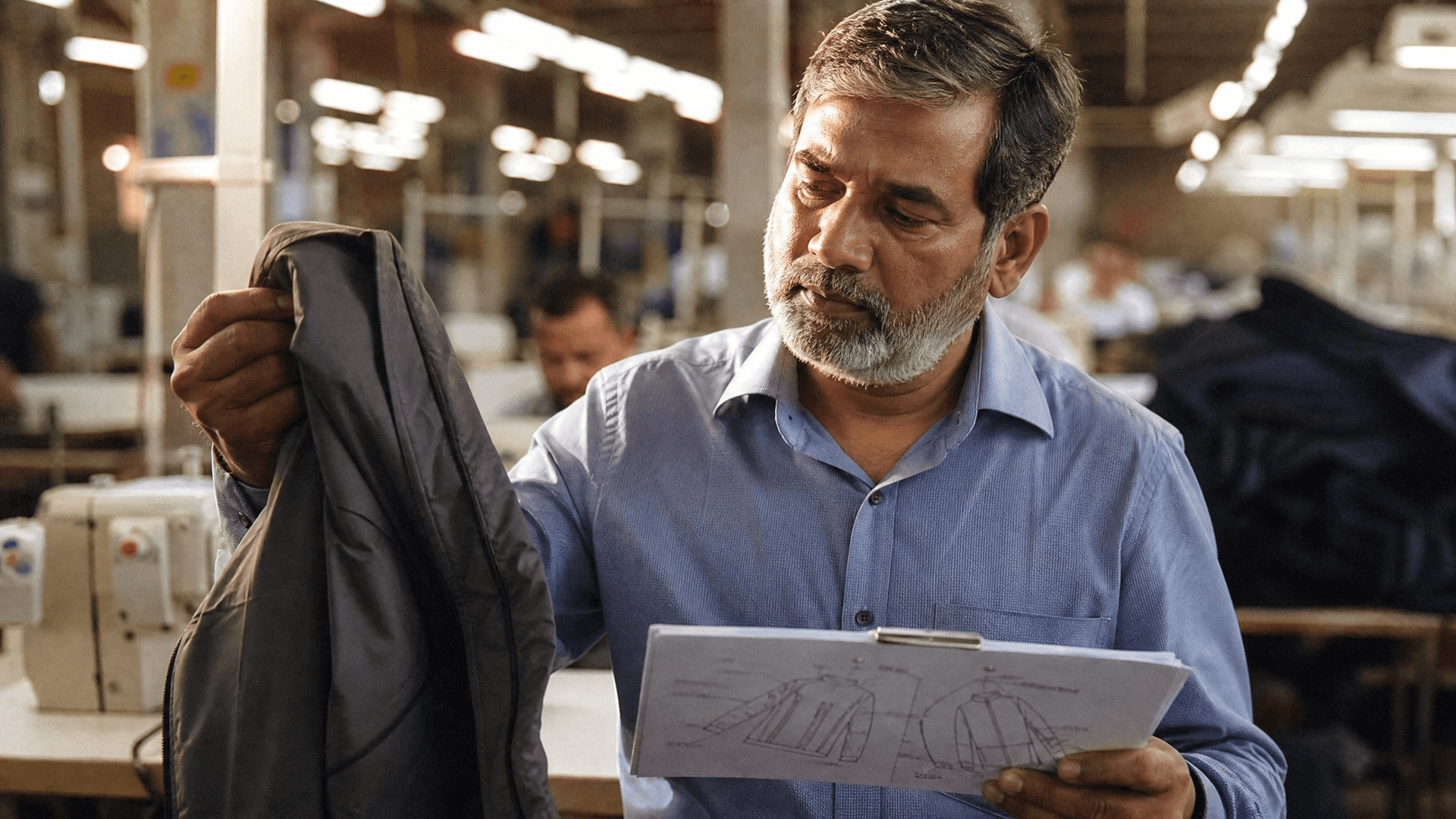
This means your internal documentation must be flawless. A physical sample and a mood board are no longer sufficient. You must provide a comprehensive, professional tech pack for every style. This document is the ultimate contract between your brand and the factory. It must include precise graded measurements, a complete bill of materials with specific fabric weights and compositions, Pantone callouts for all dyes, and granular construction details. If a seam fails in bulk production, the first thing a direct factory will do is check the tech pack. If the construction method was not explicitly defined, the error is yours. Going direct requires your product development team to operate with absolute precision. The brands that successfully navigate this transition are the ones that treat their tech packs as binding operational blueprints, not starting points for conversation.
Redefining Quality Control
The final piece of the factory-direct puzzle is establishing a remote quality control protocol. Without an agent on the ground to inspect goods before they ship, you must build accountability directly into the production schedule.
This begins with the Pre-Production (PP) sample. The factory must produce a final sample using the exact bulk fabric, trims, and wash processes. You must formally approve this physical sample before a single yard of bulk fabric is cut. Once production begins, you must mandate a Top of Production (TOP) approval. The factory must pull the first finished units off the line and send them to you for review. This ensures the floor is executing the bulk run to the exact standard of the PP sample. Finally, you must partner with a facility that conducts rigorous in-line inspections. Relying on a final audit when the goods are already packed in cartons is a recipe for disaster. The factory must have a dedicated quality control team on the floor, checking garments during the sewing process to catch and correct errors before they compound across thousands of units.
Building a Direct Supply Chain
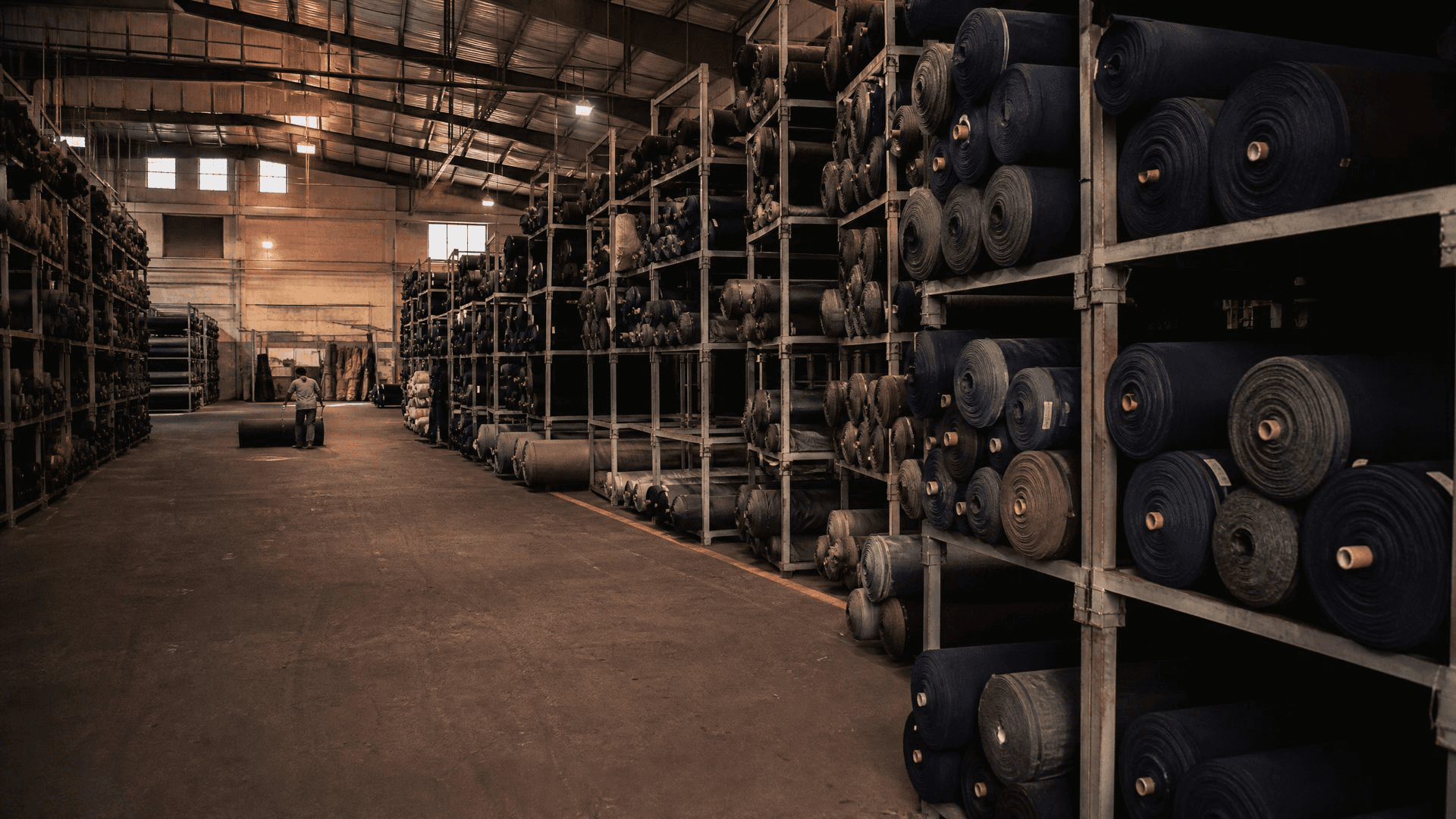
Eliminating the sourcing agent is the most effective way to improve your margins, accelerate your development calendar, and take total control of your product quality. The transition requires work. It forces your internal teams to communicate with greater precision and demands a more rigorous approach to documentation and approvals. But the operational leverage you gain is transformative.
The key is finding a facility that operates as a true partner rather than a transactional vendor. You need a factory with the capacity to handle your volume, the in-house capabilities to execute your technical requirements, and the transparency to give you direct access to the floor manager running your program. When those three conditions are met, the sourcing agent becomes not just unnecessary, but an obvious liability.
If your brand is currently transitioning away from an agent model and evaluating direct manufacturing partners, HH operates a facility in Bangladesh with over 2 million units of monthly capacity. Every program is overseen by a production manager with 30 years of regional experience, running with a single point of contact from tech pack to delivery and hands-on quality control at every production stage. If you want to understand how we integrate directly with scaling brands, reach out to our team and we will walk you through the process.
Frequently Asked Questions
How do I find a direct apparel manufacturer without a sourcing agent?
Finding a direct manufacturer requires bypassing trading companies and brokers. You must demand transparency during the vetting process by requesting live video walkthroughs of the production floor and insisting on direct communication with the facility's production manager. True owned-and-operated factories will welcome this level of access.
What is the difference between a trading company and a direct factory?
A trading company acts as a middleman, taking your order and subcontracting it to various factories while adding a markup to the final cost. A direct factory owns the sewing machines, employs the workers, and manages the entire production process internally, giving you better pricing and direct quality control.
What files do I need to work directly with an overseas clothing factory?
To work directly with a factory, you must provide a comprehensive tech pack for every garment. This document must include graded measurement specs, a complete bill of materials, Pantone color callouts, and precise construction details. The tech pack serves as the operational blueprint for the factory floor.
How do you manage quality control when working directly with an overseas factory?
Direct quality control relies on strict approval protocols. You must require Pre-Production (PP) sample approval before bulk cutting, Top of Production (TOP) approval once sewing begins, and ensure the factory has a dedicated team conducting in-line inspections during the manufacturing process.
Why do apparel brands stop using sourcing agents?
Brands typically move away from sourcing agents to recapture the 10-20% margin the agent takes, to eliminate communication bottlenecks that delay product development, and to gain direct visibility and control over the factory floor producing their garments.