What to Look for in a Merch Partner for a Touring Artist
A great merch program is a high-margin revenue stream, a powerful brand-building tool, and a direct, tangible connection to an artist's most passionate fans. A bad one is a logistical nightmare, a drain on resources, and a constant source of stress and missed opportunities. The difference between the two almost always comes down to a single decision: the partner you choose to run it.
What to Look for in a Merch Partner for a Touring Artist
3 MINUTES
March 8, 2026
For an artist manager, the merchandise program is a paradox. It is simultaneously one of the most significant revenue opportunities and one of the biggest operational headaches in your business. A great merch program is a high-margin revenue stream, a powerful brand-building tool, and a direct, tangible connection to an artist's most passionate fans. A bad one is a logistical nightmare, a drain on resources, and a constant source of stress and missed opportunities. The difference between the two almost always comes down to a single decision: the partner you choose to run it.
Choosing a merch partner is one of the most consequential decisions a manager will make. The right partner can unlock millions in revenue, elevate an artist's brand to new heights, and run a complex global operation so smoothly that you barely have to think about it. The wrong partner will cost you money, damage your artist's brand with low-quality products, and create a constant stream of operational fires that you and your team will have to put out, often in the middle of a tour.
This is the definitive guide for the artist manager who is ready to make that decision with confidence. It is a comprehensive evaluation framework for vetting a potential merch partner, covering everything from creative and production capabilities to ecommerce infrastructure and the nuances of different business models. Whether you are building a program from scratch for an emerging artist or you are looking to switch partners for an established global act, this playbook will give you the questions to ask, the red flags to watch out for, and the criteria to use to find a partner who can actually deliver on their promises.
The Merch Partner Trap: The Illusion of the "Full Service" Deal
Before we get into the evaluation framework, we need to address the most common trap that managers fall into: the illusion of the traditional "full service" revenue-share deal. For decades, the standard model in the music industry has been to sign a deal with a massive, established merchandise company. They pay the artist an advance, and in return, they handle everything and take a huge percentage of the gross revenue, often 70% or more.
On the surface, it sounds appealing. You get a check upfront, and you offload the entire operational burden to a single vendor. The problem is that for most artists, especially those in the emerging to mid-tier, this model is a terrible deal. You are giving away the majority of your revenue in exchange for a generic, low-effort program. These large companies are built on volume and efficiency, not creativity and quality. They use the same cheap blanks, the same uninspired design templates, and the same outdated production methods for every artist on their roster. Your artist is a line item on a spreadsheet, and their merch program will be treated accordingly.
This is the trap: you think you are getting a "full service" solution, but what you are really getting is a low-quality, low-margin program that you have no creative control over. You are trading your most valuable assets — your brand equity and your direct connection to your fans — for a short-term cash advance and a false sense of operational simplicity. The artists who are building the most successful and profitable merch programs in the modern music industry have moved away from this model entirely.
The Modern Partnership: A Spectrum of Solutions
The modern merch landscape is not a one-size-fits-all solution. It is a spectrum of different partnership models, each one designed for a different stage of an artist's career. The key is to understand where your artist is on that spectrum and to choose a partner whose model aligns with your goals.
Partner Type | Business Model | Best For | Key Weakness |
Print-on-Demand | Per-item transaction | Emerging artists, testing designs | Low quality, low margins, no touring support |
Traditional Merch Co. | Revenue Share | Legacy artists with massive scale | Low creative control, low margins, generic product |
Boutique Agency | Fee-for-Service (Creative Only) | Artists with strong internal operations | No production or logistics support |
Full-Package Partner | Fee-for-Service (End-to-End) | Growth-minded artists of all sizes | Requires upfront investment in inventory |
For the vast majority of touring artists, the sweet spot is the full-package, fee-for-service model. In this model, you are not just hiring a vendor; you are hiring a dedicated team that acts as the merchandise department for your artist's business. You pay for the design and production of your merchandise, you own the inventory, and you capture 100% of the gross margin on every sale. You get the creative control and brand focus of a boutique agency, the production scale of a major manufacturer, and the operational infrastructure to manage a global touring and ecommerce business, all in one unified partnership.
This model requires an upfront investment in inventory, but the return on that investment, both in terms of profit and brand equity, is exponentially higher than any other model. This is the model that the most successful artists in the world are using to build eight-figure merch businesses, and it is the model that the rest of this guide is built around.
The Evaluation Framework: 7 Questions to Ask Every Potential Partner
Once you have decided on the full-package model, the next step is to evaluate potential partners. This is not about looking at their client list or their Instagram feed. It is about a rigorous, in-depth evaluation of their capabilities across seven key areas.
1. What Does Your Creative Process Look Like?
A great merch program starts with great creative. You need a partner who can do more than just slap a logo on a t-shirt. You need a partner who can act as the creative director for your artist's brand, developing a coherent visual identity that extends across every product, every tour, and every online drop.
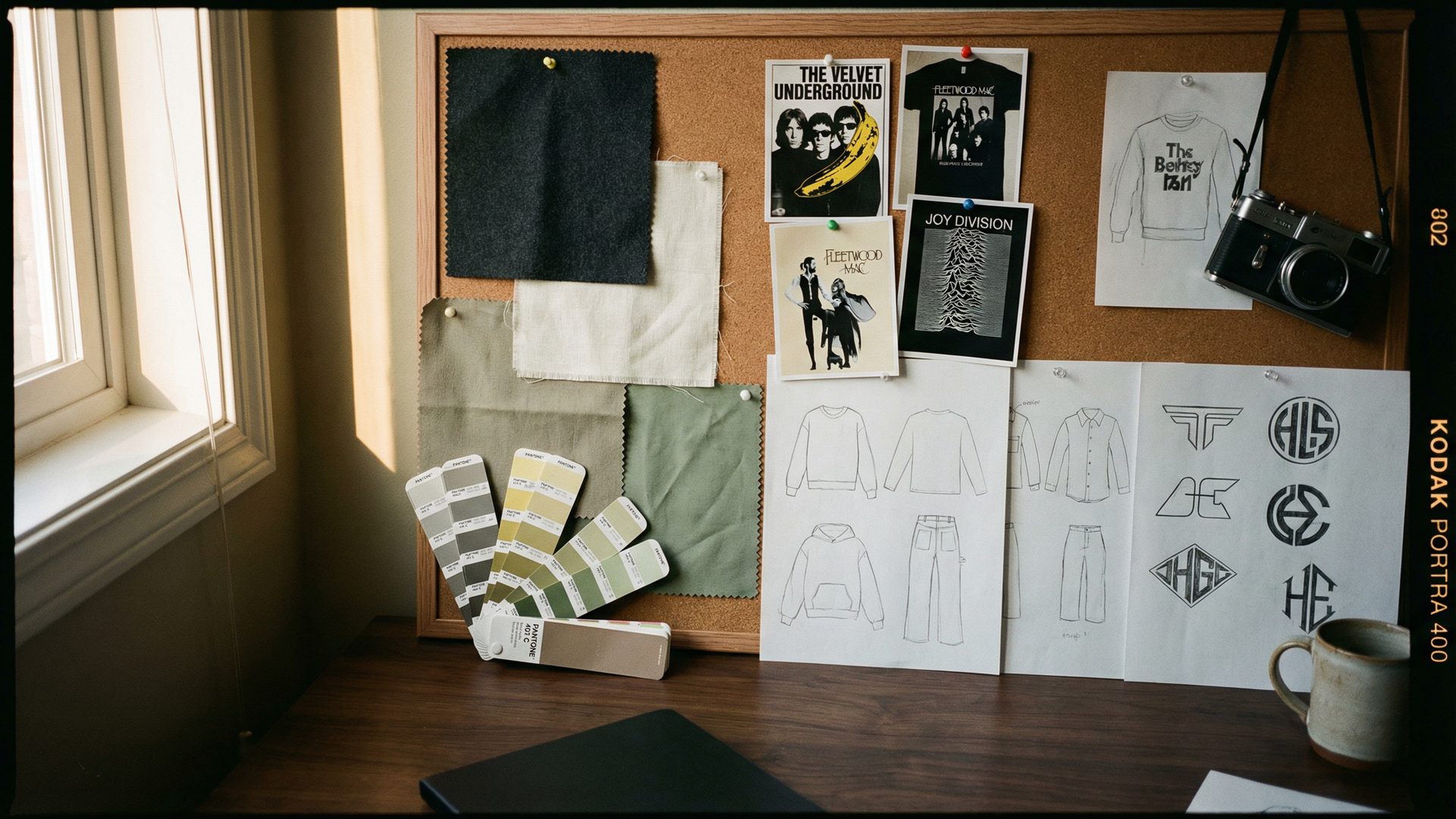
Ask to see their creative process from start to finish. How do they develop a creative brief? How do they build a mood board and a color palette? How do they translate an artist's brand into a full product collection? Do they have in-house designers, or are they outsourcing the creative to freelancers? A true creative partner will have a structured, collaborative process for developing a unique and compelling creative platform for your artist. A vendor will ask you for a JPEG of your logo.
2. Can You Show Me Your Production Capabilities?
Creative is meaningless without the ability to execute it at a high level. You need a partner with a deep understanding of garment production, from fabric sourcing and pattern making to printing, embroidery, and finishing. This is the area where most merch companies fall short. They are not manufacturers; they are middlemen who are marking up a product that they are outsourcing to the cheapest possible factory.
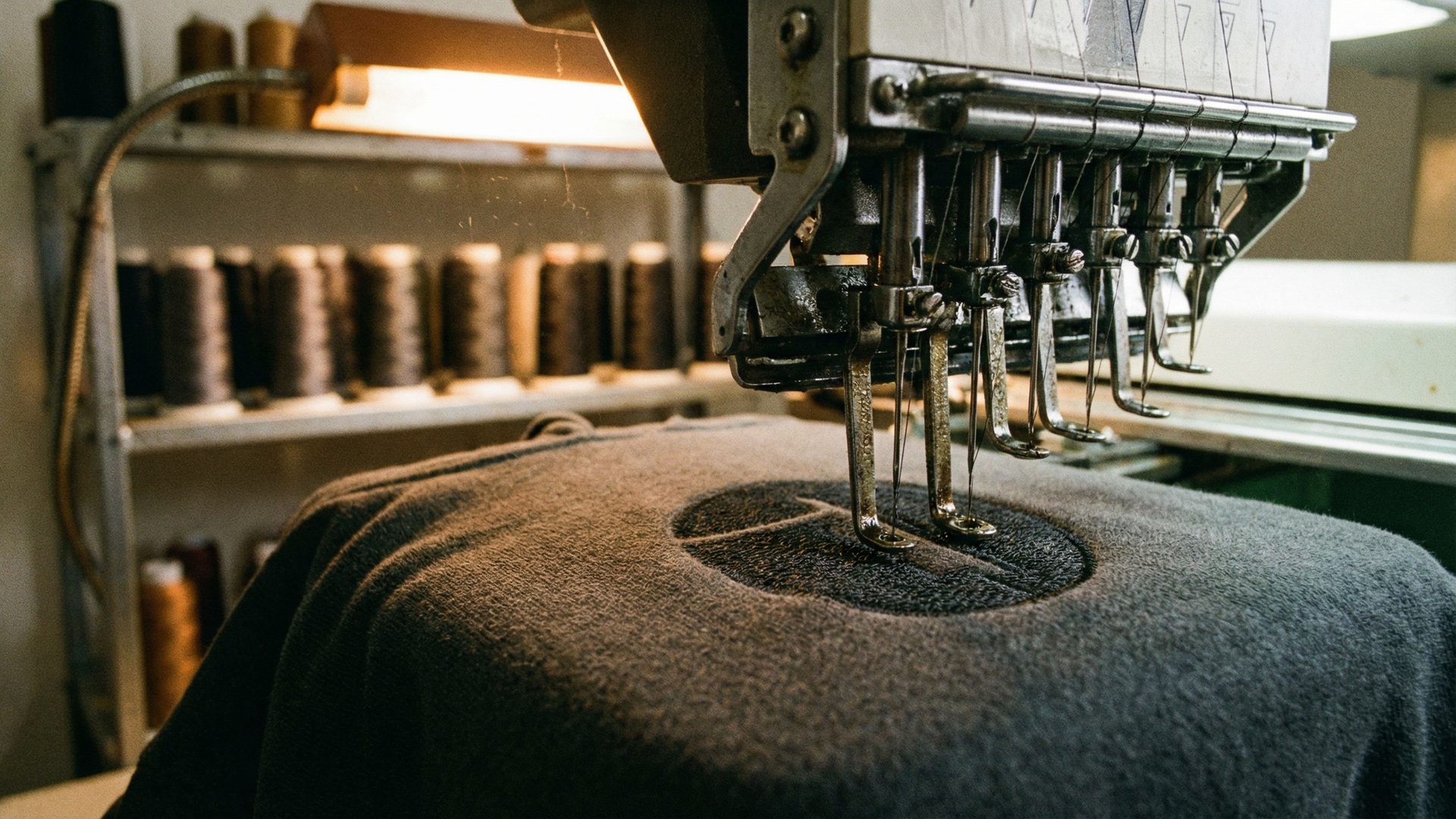
Ask for a detailed breakdown of their production process. Where do they source their fabrics? Do they have the ability to produce custom cut-and-sew garments, or are they limited to off-the-shelf blanks? What print techniques can they handle in-house? Can they show you examples of complex embroidery, specialty washes, and custom dye jobs they have produced for other clients? A true production partner will be able to walk you through every step of the manufacturing process and demonstrate deep technical expertise in garment construction.
3. How Do You Manage Touring Logistics?
For a touring artist, the logistics of getting the right product to the right venue at the right time is one of the most complex and mission-critical parts of the entire operation. A missed shipment can mean thousands of dollars in lost sales. You need a partner with a battle-tested system for managing tour logistics.
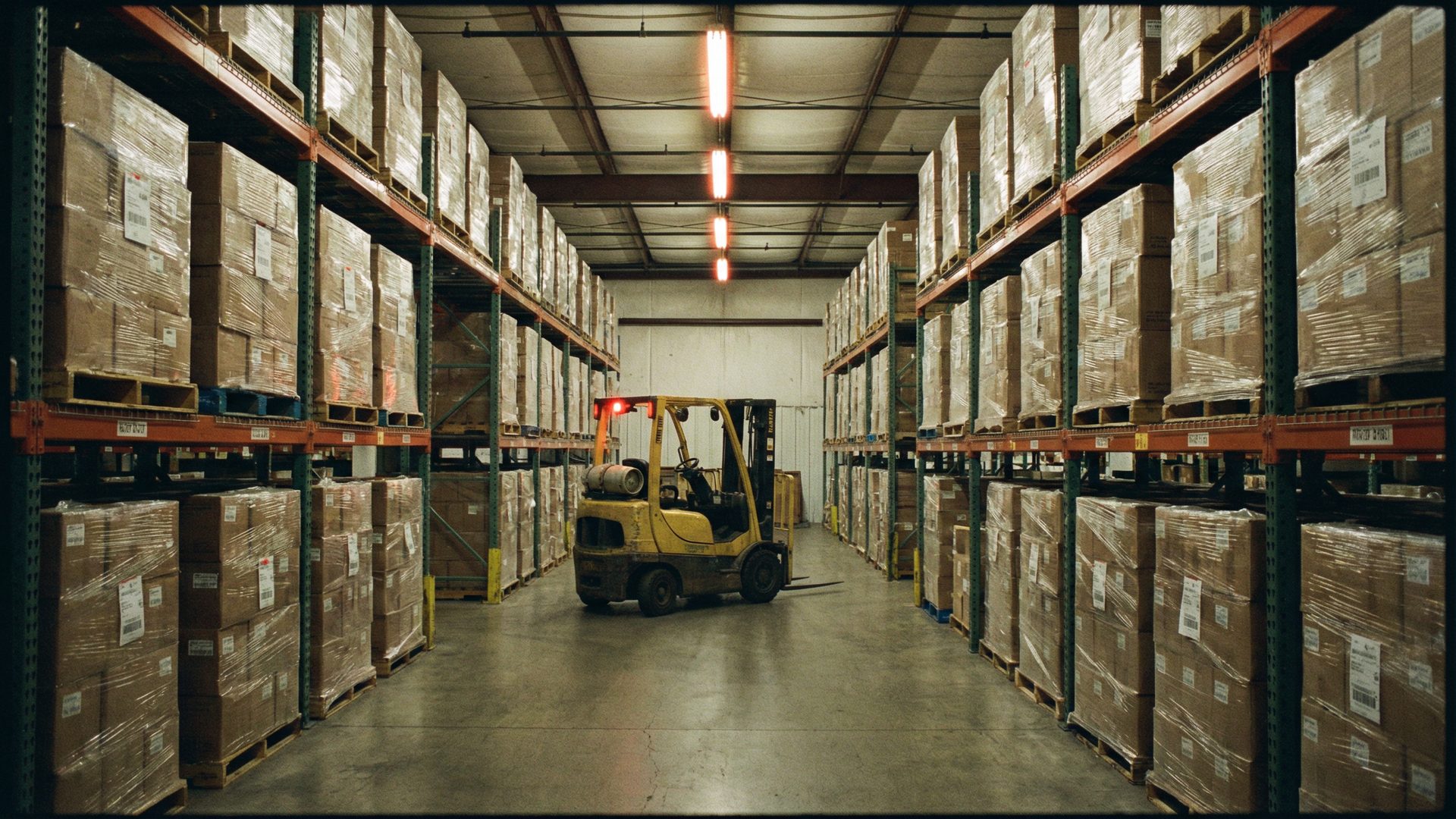
Ask them to explain their tour logistics process. How do they handle inventory forecasting for a multi-leg tour? How do they manage shipments to festivals, arenas, and theaters across different markets? How do they handle on-site inventory management and reconciliation? Do they have a dedicated tour logistics team, or is it handled by the same person who is managing your design? A partner who is truly built for the touring business will have a sophisticated system for managing every aspect of tour logistics, and they will be able to give you real-time visibility into your inventory position at all times.
4. What Does Your Ecommerce Platform Look Like?
Your ecommerce store is not just a place to sell leftover tour inventory. It is a year-round revenue engine and the central hub of your artist's brand. You need a partner who can build and manage a world-class ecommerce experience that is on par with the best direct-to-consumer fashion brands.
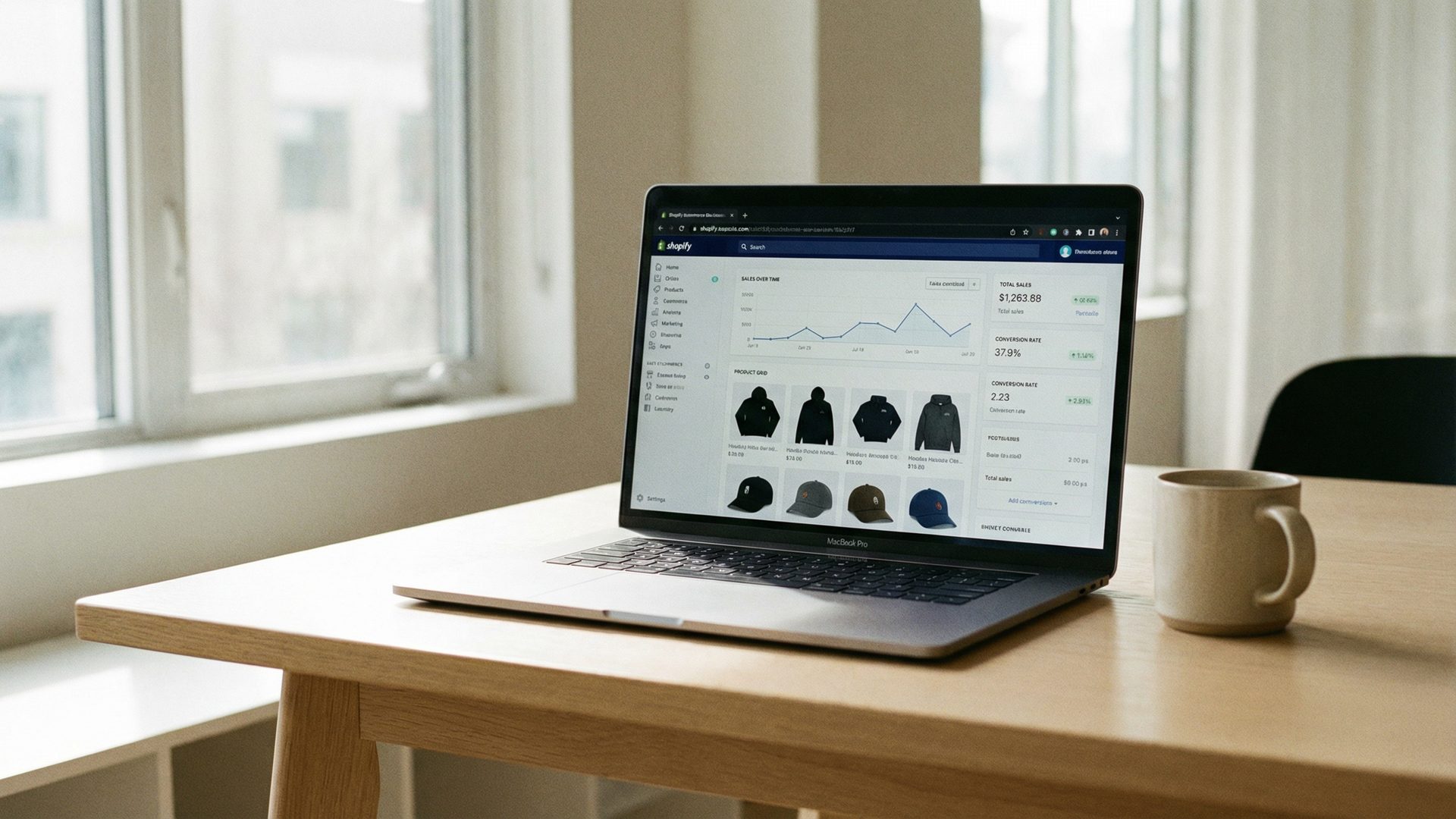
Ask for a demo of their ecommerce platform. What platform do they use? Can they show you examples of stores they have built and managed for other artists? How do they handle product photography, merchandising, and email marketing? Do they have a strategy for running limited drops, pre-orders, and online-exclusive releases? How do they keep the store active and generating revenue between tour cycles? A great ecommerce partner will be able to show you a proven playbook for building a seven-figure online business for your artist, not just a basic Shopify store with a few products listed.
5. How Do You Handle Inventory and Fulfillment?
Under the ownership model, you own the inventory. This means you need a partner with a robust system for warehousing, inventory management, and direct-to-consumer fulfillment. This is a highly specialized operation that requires sophisticated software and a dedicated team. Ask about their fulfillment infrastructure. Do they have their own warehouse, or are they outsourcing to a third-party logistics provider? What is their system for tracking inventory across the touring and ecommerce businesses simultaneously? What are their shipping rates and delivery times? How do they handle returns and customer service? A reliable fulfillment operation is the invisible backbone of a successful merch program, and a failure here will cost you customers and revenue.
6. What is Your Reporting and Analytics Process?
You cannot manage what you cannot measure. You need a partner who can provide you with clear, accurate, and real-time data on every aspect of your merch business. This includes sales data from your tour, your ecommerce store, and any third-party retailers. It includes inventory data, so you always know what you have and where it is. And it includes financial data, so you have a clear picture of your revenue, your costs, and your profitability. Ask to see their reporting dashboard. What KPIs do they track? How often do they provide reports? Can you get real-time access to your sales and inventory data? A transparent, data-driven partner will give you the visibility you need to make smart, informed decisions about your business.
7. Can You Provide References?
Finally, and most importantly, ask for references. Not just a list of their biggest clients, but references from managers of artists who are at a similar stage in their career as yours. Ask to speak to a manager who recently switched to their platform from another vendor. Ask to speak to a tour manager who has worked with their logistics team on the road. This is the ultimate test. A great partner will have a long list of happy clients who are willing to vouch for the quality of their work. A partner who is hesitant to provide references is a major red flag. The best predictor of your future experience with a partner is the past experience of their other clients.
The Red Flags: What to Watch Out For
Beyond the seven questions above, there are a number of specific red flags that should give you pause when evaluating a potential partner.
Vague production claims. Any partner who cannot give you a specific, detailed answer about where their fabrics are sourced, what factories they use, and what their quality control process looks like is a middleman, not a manufacturer. They are marking up a product they have no real control over.
No ecommerce strategy. A partner who treats your online store as a secondary concern, or who does not have a clear strategy for running drops and keeping the store active between tours, is not built for the modern music business. Your online store is a year-round revenue engine, and your partner should treat it as one.
Slow sample turnaround. The sample development process is the first real test of a partner's production capabilities. If they cannot produce a high-quality sample in a reasonable timeframe, they will not be able to hit your production deadlines on a live tour.
Lack of transparency on costs. A great partner will give you a clear, itemized breakdown of every cost in your program, from fabric and production to fulfillment and shipping. A partner who is vague about costs or who bundles everything into a single, opaque fee is hiding something.
The HH Partnership: The Full-Package Solution
At HH, we have built our entire artist services division to be the answer to these seven questions. We are a full-package partner that provides a single, unified solution for the creative and production side of your merchandise program. We are not a middleman or a traditional merch company. We are a team of creative directors and production experts who act as the dedicated merchandise department for your artist's business.
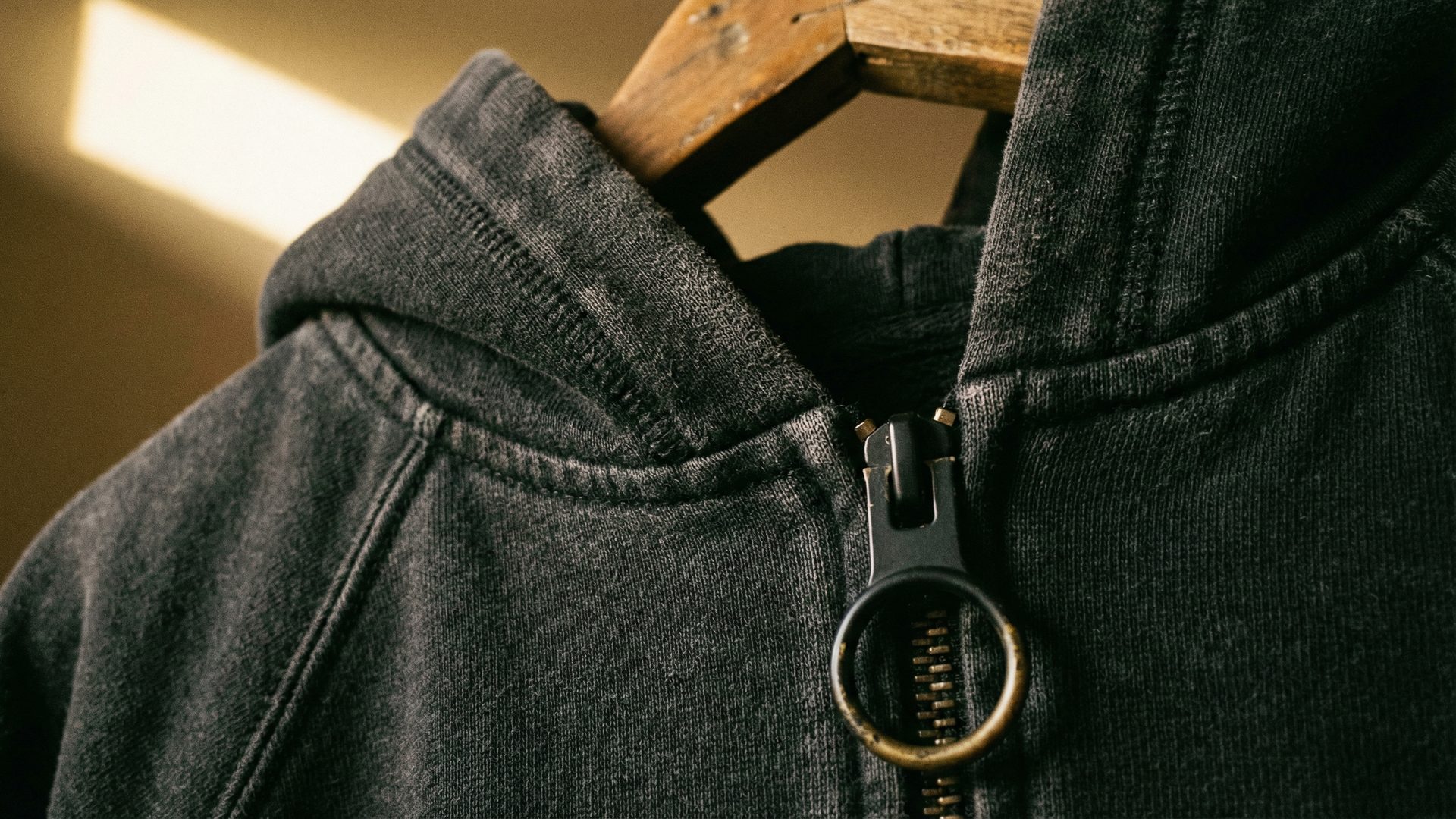
Our creative process is collaborative and brand-focused. We start with a deep understanding of your artist's identity and build a collection that is authentic to their brand and compelling to their fans. Our production capabilities are second to none, with deep expertise in custom cut-and-sew garments, specialty printing, premium embroidery, and garment dyeing. We have built this system for some of the most respected and successful artists in the world, from global EDM acts like Wooli and Marshmello to artists across rock, hip-hop, and pop. We understand the complexity of the modern music business, and we have built the platform that allows you to turn your merchandise program into a real, scalable, and highly profitable business.
The reality of managing a serious merch program is that the moving parts are numerous and unforgiving. You are coordinating designers, production timelines, tour logistics, a live ecommerce store, and a customer service operation, all simultaneously. The managers who are winning are the ones who have consolidated as much of that complexity as possible into a single, trusted partnership. If you are ready to stop juggling vendors and start building a world-class merch program, the conversation starts here.
Frequently Asked Questions
What is the most important thing to look for in a merch partner for a touring artist?
The most important thing is creative and production capability. A partner who can design and manufacture a product that your fans are genuinely excited to buy is the foundation of everything else. Logistics and ecommerce are important, but they are secondary to having a great product.
What is a realistic budget to start a program with a full-package partner?
Budgets vary widely depending on the size of the collection, the product types, and the inventory position you need to support your touring and ecommerce business. For a mid-sized touring artist, initial program investments typically land somewhere in the five-to-six-figure range. The right number for your program depends on your specific goals, your tour calendar, and the quality standard you want to hold. The best way to get an accurate picture is to have a direct conversation with your production partner before committing to anything.
How long does it take to launch a new program from scratch?
The full process, from the initial creative brief to having finished goods in your warehouse, typically takes 90-120 days. This includes time for design, fabric sourcing, sample development, and bulk production. It is critical to plan ahead, especially when you have a major tour or album release on the horizon.
What is the biggest mistake managers make when choosing a partner?
The biggest mistake is choosing a partner based on the lowest price. A cheap production quote almost always means you are getting a low-quality product that will not sell and will damage your artist's brand. The smart investment is in a quality product that your fans will be excited to buy and wear for years.
How do you keep an ecommerce store generating revenue between tours?
The key is a consistent drop cadence. Plan 4-6 drops per year, each one anchored by a hero product and supported by an email marketing campaign. Between drops, use vault releases of past collections, limited restocks of popular items, and online-exclusive colorways to keep the store active and the fanbase engaged.
Is it better to have more SKUs or fewer, higher-quality SKUs?
Fewer, higher-quality SKUs is always the better strategy. A tight, coherent collection of 4-6 hero products will always outperform a sprawling catalog of dozens of mediocre ones. It is easier to market, easier to manage, and it creates a stronger, more focused brand statement.